

Answer engine optimization (AEO) is the practice of structuring your content so that AI-driven answer engines — Google AI Overviews, ChatGPT Search, Perplexity, Gemini, and voice assistants — quote it directly when responding to a user's question. Where classic SEO aims to win a clickable ranking position, AEO aims to make your page the source the AI cites inside its generated answer.
In 2026, that distinction matters more than ever. A growing share of informational queries are resolved before the user ever scrolls to the blue links. This guide explains what AEO is, how it differs from SEO, and the exact moves our SEO team uses to earn citations across answer engines.
What is answer engine optimization, exactly?
An answer engine is any system that synthesises a direct response from multiple sources instead of returning a list of links. AEO is the discipline of making your content the cleanest, most quotable, most trustworthy source those systems can find for a given question.
Think of it as optimising for extraction rather than for clicks alone. The AI scans the web, pulls the most relevant sentences, statistics, and steps, and stitches them into a single answer with citation links. If your content is ambiguous, buried under preamble, or hard to parse, the engine simply quotes a competitor who made the answer easier to lift.
The shift is profound because the unit of competition has changed. For two decades, SEO was a fight for a position — rank one, rank three, rank ten. AEO is a fight for a sentence: the specific line the model decides best answers the question. That reframing changes how you write, how you structure pages, and how you measure success, even though the underlying SEO machinery still has to be in place.
It also widens the playing field. A smaller brand with a genuinely clearer, more authoritative answer can earn a citation alongside or even ahead of a larger competitor, because answer engines reward clarity and credibility over sheer domain size. That is the opportunity AEO unlocks for businesses willing to do the work properly.
How is AEO different from SEO?
AEO and SEO are not rivals — AEO is built on top of SEO. You still need to be crawlable, indexable, and authoritative. The difference is the target outcome and the content shape that gets you there.
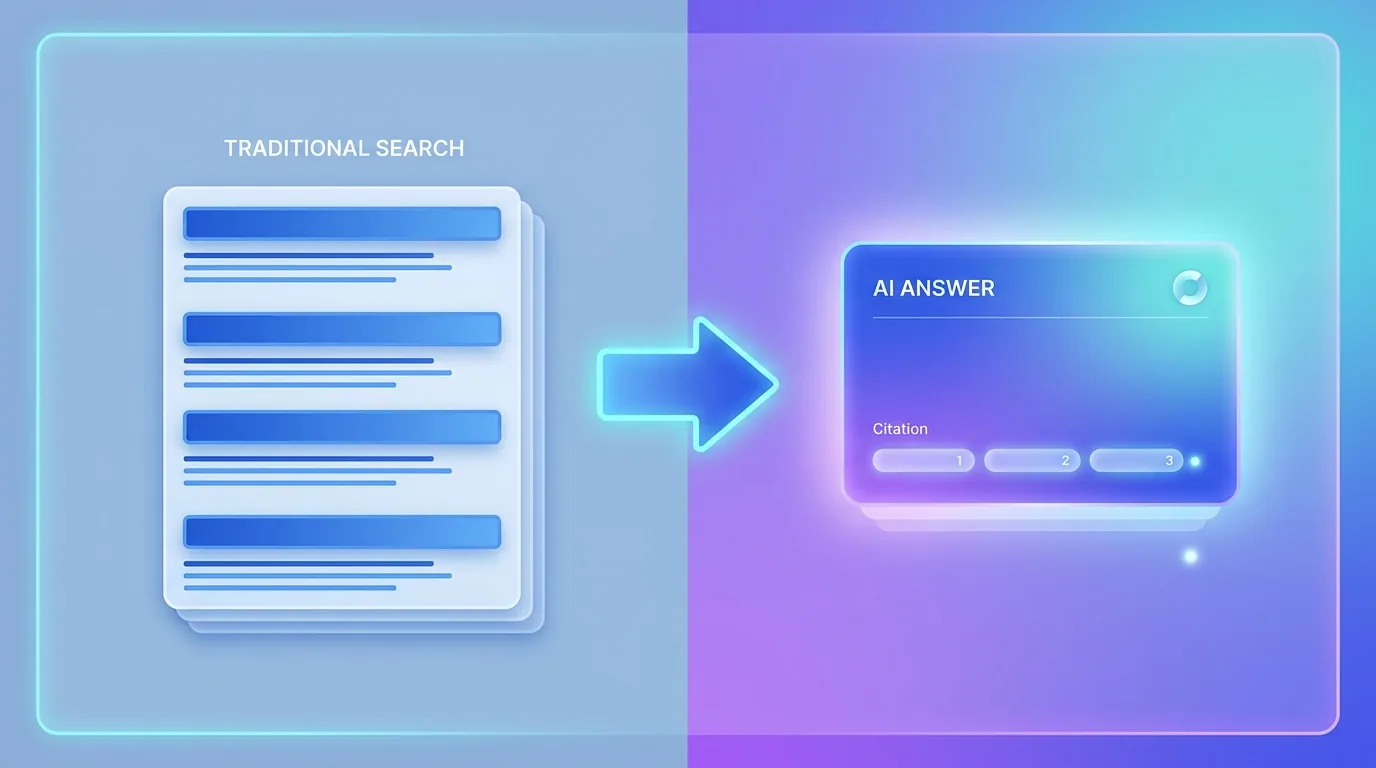
- Goal: SEO wins a ranking position; AEO wins a citation inside the AI's answer.
- Content shape: SEO rewards depth; AEO rewards an answer-first, extractable structure on top of that depth.
- Keywords: SEO often chases head terms; AEO maps the conversational questions people actually ask.
- Measurement: SEO tracks clicks and positions; AEO also tracks citations, impressions, and assisted conversions.
How do you optimise content for answer engines?
The single highest-impact change is to lead with the answer. Put a complete, direct response in the first two or three sentences of every page and section, before any context or storytelling. Answer engines extract from the top, and so do impatient humans.
After the answer, expand with evidence, examples, and nuance. Phrase your H2 and H3 headings as the questions people actually search, and make each section a self-contained mini-answer that still makes sense if the AI pulls only that block.
Specificity is the multiplier. Answer engines preferentially quote content that includes concrete numbers, dates, named tools, and clear steps, because those details are easy to verify and easy to lift. Vague, hedged writing reads as low-confidence to a model, so replace phrases like "it depends" and "many factors" with the actual factors, ranges, and thresholds wherever you honestly can.
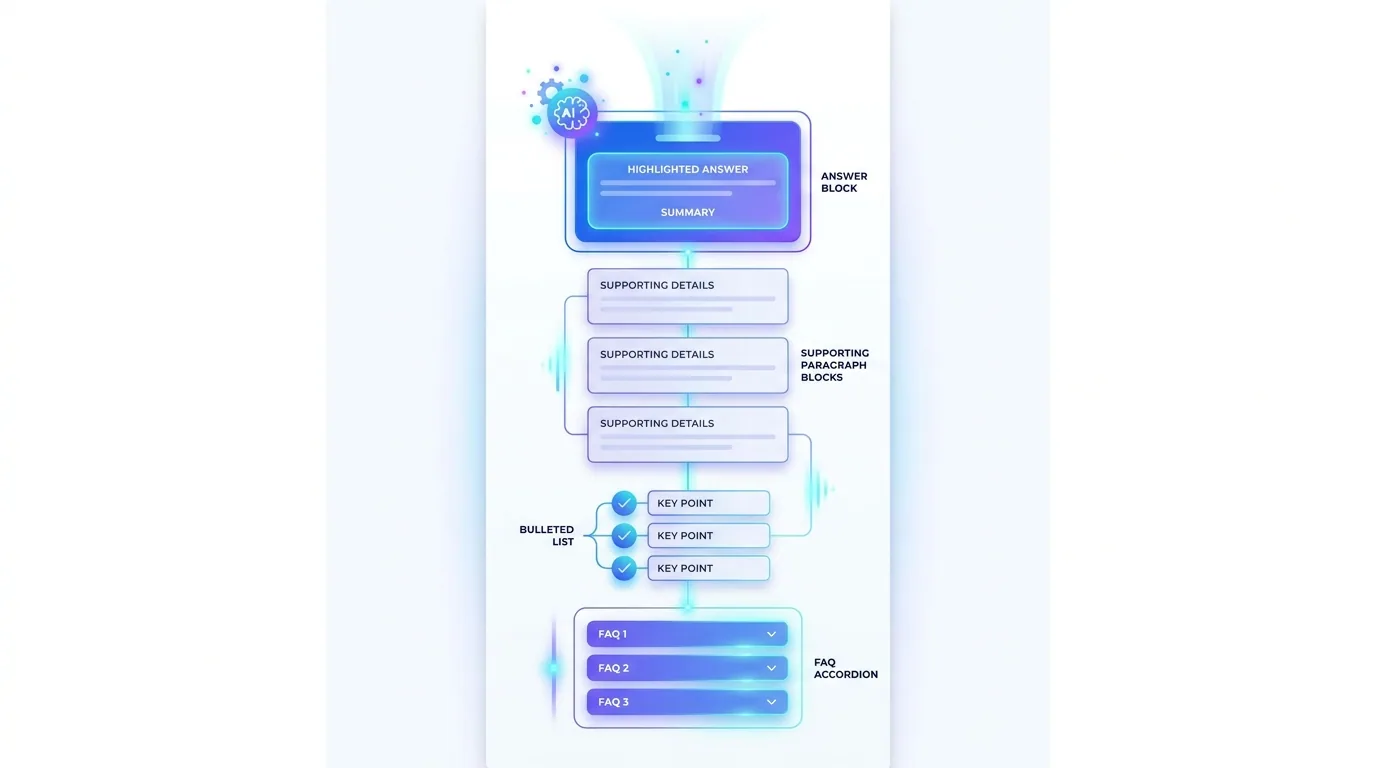
- Open each section with a one-sentence answer to the heading's question.
- Use short paragraphs of two to four sentences and scannable lists for steps or criteria.
- Add concrete numbers, dates, and named tools — specifics get quoted, vague claims do not.
- Mark up FAQs with FAQPage structured data so engines can parse them unambiguously.
Why does E-E-A-T matter for AEO?
Answer engines overwhelmingly cite sources they consider credible, so E-E-A-T — experience, expertise, authority, and trust — is a core AEO ranking factor. Visible authorship, real credentials, original data, and citations to primary sources all raise the odds that the AI treats your page as quotable rather than skippable.
A page that proves it was written by someone who has actually done the thing will out-cite a generic, AI-spun article every time. Add author bios, job titles, first-hand screenshots, and links to relevant work. Keep contact details, policies, and security in good order so the trust signals stack up.
Experience is the hardest signal for competitors to fake, which is exactly why it carries so much weight. Original data from your own work, real before-and-after results, annotated screenshots, and lessons learned from genuine projects all tell the model that a human practitioner stood behind the page. Lean into the things only you can say, and the citations follow.
The brands that win in answer engines are not the ones with the most keywords — they are the ones the AI trusts enough to quote.
— Daniel Okafor, Head of SEO, Fryntavo
Does the technical foundation still matter?
Yes — answer engines still run on the classic crawl-and-index pipeline, so a slow or broken site never enters the candidate pool. The 2026 bar is strict: a Largest Contentful Paint near 2.0 seconds and an Interaction to Next Paint under 200ms are genuine ranking risks if you miss them.
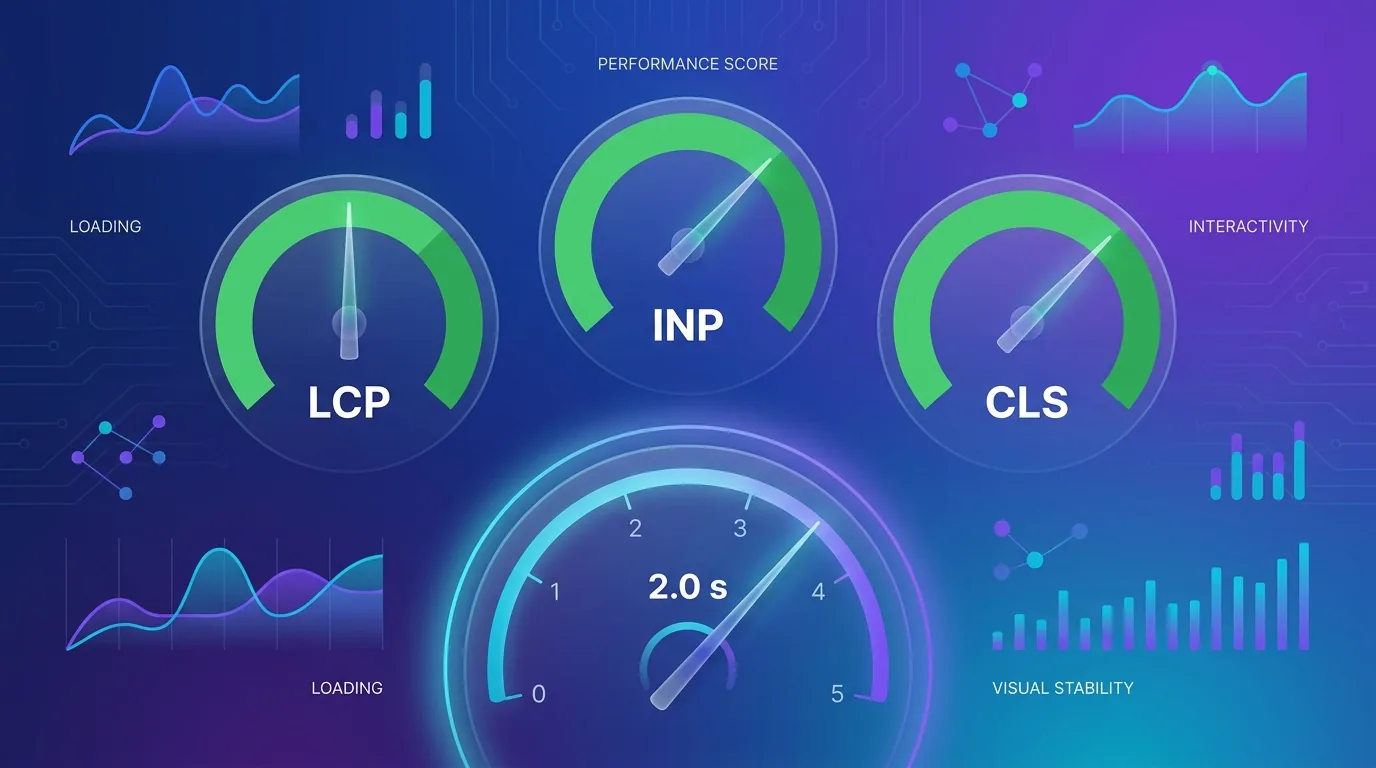
Server-side rendering, modern image formats like WebP and AVIF, and disciplined JavaScript all help the AI layer render and read your content quickly. This is exactly why we build client sites on fast, modern web foundations — performance is now a prerequisite for visibility, not a nice-to-have.
How do you measure AEO success in 2026?
Clicks per impression look different when an AI answer sits above your link, so your measurement has to evolve. Track impressions, branded search growth, and which queries surface an AI answer — and whether you are cited in it.
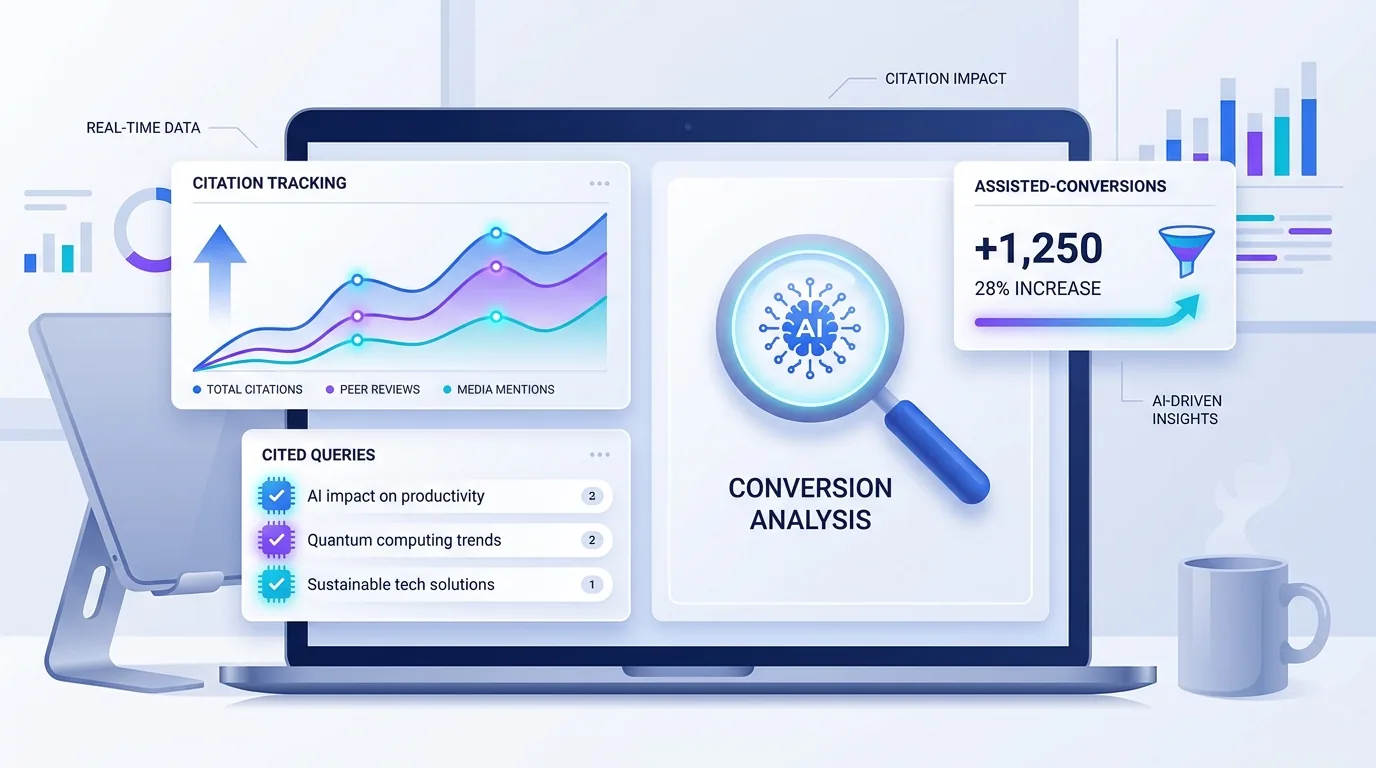
The brands that adapt their reporting stop panicking about "lost" clicks and start optimising for influence. Every citation builds familiarity and trust that compounds into branded demand and downstream conversions.
A practical way to operationalise this is to maintain a tracked list of your most important questions and check, on a regular cadence, whether an AI answer appears and whether you are cited in it. Pair that with branded-search and direct-traffic trends in analytics. When citations rise, branded demand almost always rises with them, even if the click-through rate on individual pages looks softer than it did in the pre-AI era.
Putting AEO into practice
Answer engine optimization is the natural reward for content that is genuinely helpful, clearly structured, demonstrably expert, and technically fast. Lead with the answer, target real questions, add FAQ schema, prove your E-E-A-T, and keep your Core Web Vitals healthy. Do that consistently and the answer engines will quote you instead of your competitors.
Want your pages cited by AI Overviews and chat assistants instead of buried beneath them? Our team can audit your site and build an answer-engine-ready content plan.
Get a Free SEO AuditFrequently asked questions
What is answer engine optimization (AEO)?
Answer engine optimization is the practice of structuring content so AI answer engines like Google AI Overviews, ChatGPT Search, and voice assistants quote it directly when responding to a question. The goal is to be the source the AI cites, not just to rank in a list of links.
What is the difference between AEO and SEO?
SEO optimises for a clickable ranking position, while AEO optimises to be the source an AI engine quotes inside its generated answer. AEO is built on top of SEO: you still need to be crawlable, fast, and authoritative, but you add an answer-first, extractable structure on top.
Is AEO replacing SEO in 2026?
No. AEO is an extension of SEO, not a replacement. Answer engines run on the same crawl-index-rank pipeline, so technical SEO, quality content, and authority still matter — AEO simply adds emphasis on answer-first structure, FAQ schema, and demonstrable expertise.
How do I get cited by AI Overviews and ChatGPT Search?
Lead with a direct answer in the first two or three sentences of each section, target question-based long-tail keywords, add FAQ and Article structured data, prove strong E-E-A-T, and keep your site fast and crawlable. Clear, credible, well-structured sources get quoted.
Does FAQ schema help with AEO?
Yes. FAQ sections with question-format headers and FAQPage structured data are among the strongest signals for AI extraction because they give answer engines a clean, machine-readable version of your content.
How do I measure whether AEO is working?
Track impressions, branded search growth, which queries surface an AI answer, and whether you are cited in it, alongside assisted conversions. Citation and influence metrics matter more than raw clicks once an AI answer sits above your link.
How long does AEO take to show results?
It varies by niche and site authority, but most sites that adopt an answer-first, well-structured approach begin to earn citations within a few months, with results compounding as topical authority builds.
Can Fryntavo help with answer engine optimization?
Yes. Fryntavo offers technical SEO, content strategy, and AEO services that prepare your site to be cited across AI Overviews, ChatGPT Search, and other answer engines. Book a free strategy call to get started.
Ready to put this into action?
Fryntavo helps brands grow with web development, SEO, marketplace management, and AI automation. Book a free, no-obligation strategy call.
Book a Free Strategy Call