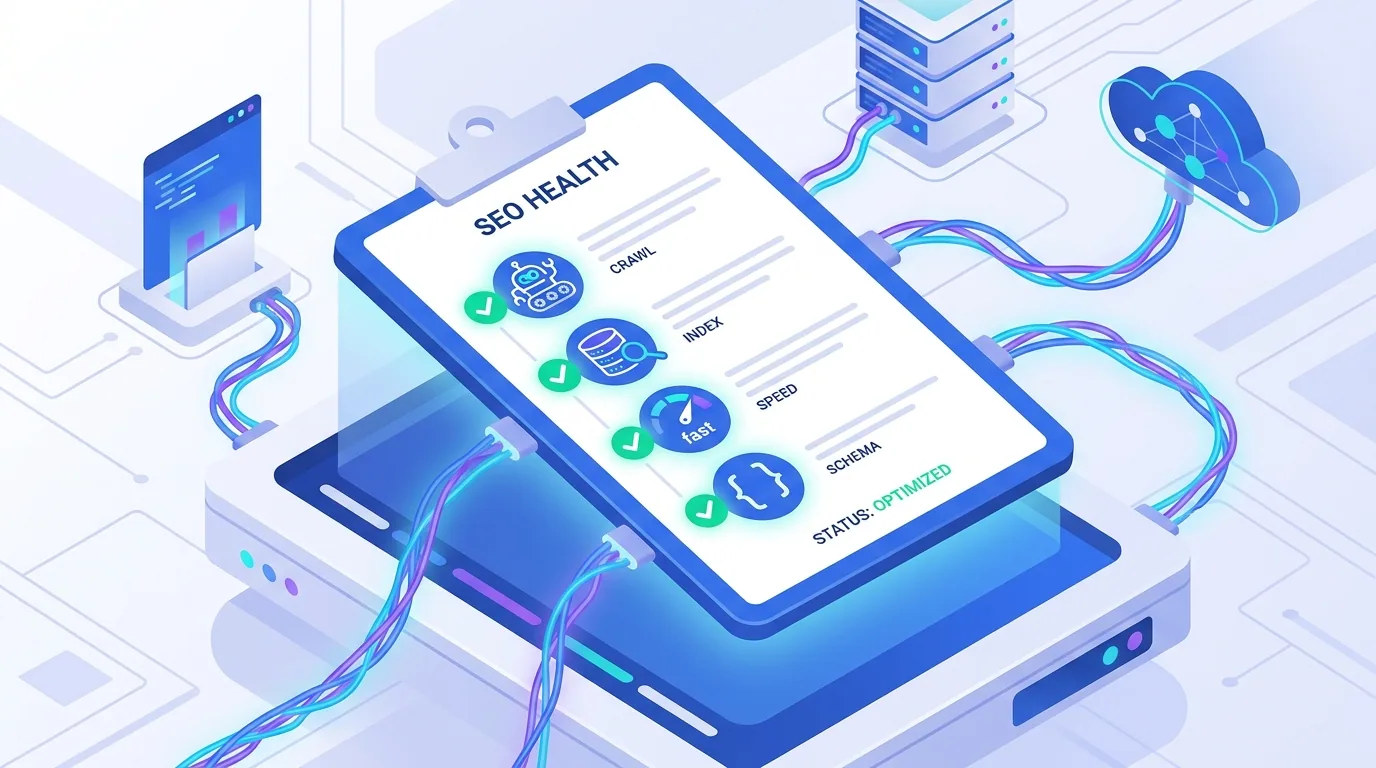

Local SEO in 2026 is the work of getting your business surfaced for nearby, high-intent searches — the map pack, "near me" queries, and the local recommendations AI assistants now generate. The winners pair a fully optimised Google Business Profile with consistent citations, genuine reviews, and locally relevant content that proves you serve the area.
Local intent converts fast: someone searching "near me" is usually ready to call, visit, or buy. This guide lays out the local SEO playbook our SEO team uses to help businesses win the map pack and get recommended by AI in 2026.
How does local SEO work in 2026?
Local rankings still come down to three factors: relevance, distance, and prominence. What changed in 2026 is the surface area — alongside the classic map pack, AI assistants and AI Overviews now generate their own local recommendations, drawing on the same profile, review, and citation signals.
That means a strong, consistent local footprint pays off twice: it ranks you in the map pack and makes you the business AI suggests when someone asks for the best option nearby. Inconsistent data does the opposite — it confuses both the algorithm and the model.
Relevance is how well your business matches the search; you influence it through categories, services, and content. Distance is how close you are to the searcher; you cannot change it, but you can make every other signal so strong that you still win at the edge of your service area. Prominence is how well-known and trusted you are, built from reviews, citations, links, and overall web presence — and it is where most of the competitive separation happens.
How do you optimise a Google Business Profile?
Your Google Business Profile is the single most important local ranking asset, so complete every field and keep it current. A fully filled, actively managed profile signals relevance and prominence far more strongly than a half-finished one.
Category selection deserves more care than most businesses give it. Your primary category does heavy lifting in deciding which searches you appear for, so choose the one that most precisely describes your core offering rather than a broad catch-all. Then add secondary categories for genuine additional services, and revisit them periodically as Google introduces new, more specific options.
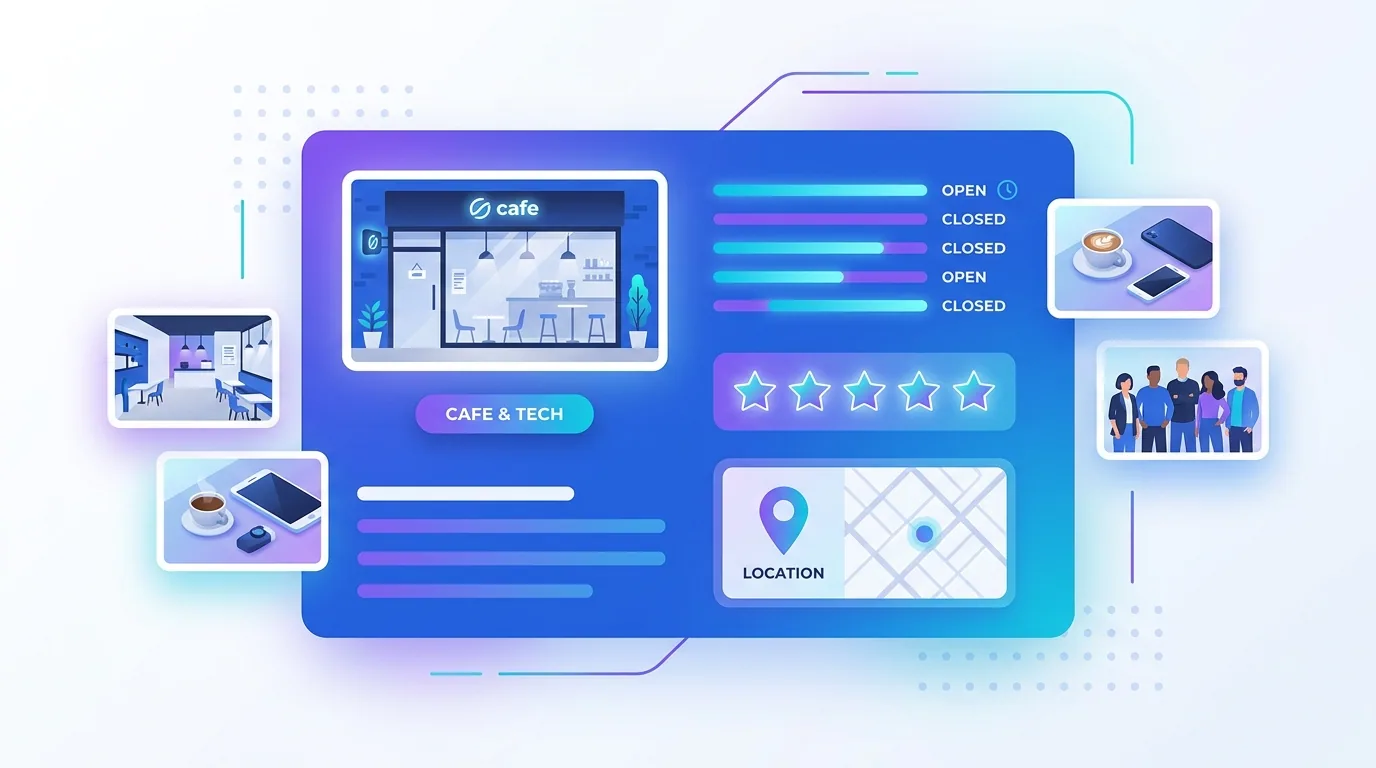
- Choose the most accurate primary category and add relevant secondary categories.
- Keep name, address, and phone (NAP) identical to your website and citations.
- Add services, attributes, hours, and holiday hours, and keep them updated.
- Upload high-quality photos regularly and respond to questions promptly.
- Post updates and offers to show the profile is active.
- Enable messaging and booking so high-intent users can act immediately.
How do you win 'near me' searches?
To win "near me" searches, prove relevance to the specific area through localised content, accurate categories, and proximity signals you can actually influence. You cannot move your business, but you can make your relevance and prominence unmistakable for every neighbourhood you serve.
Beware of thin, duplicated location pages — the kind where only the town name changes. Search engines see through them, and they rarely rank. A page that genuinely earns a "near me" result includes specifics: the services you offer there, real local context, directions, parking notes, staff who serve that area, and testimonials from local customers. The more authentically local the page, the better it performs.
- Create location and service-area pages with genuinely local detail, not boilerplate.
- Reference neighbourhoods, landmarks, and local terms naturally in content.
- Earn local backlinks from community sites, sponsorships, and partners.
- Embed a map and keep your address and service area accurate.
- Use LocalBusiness schema so engines parse your location data cleanly.
Why do reviews matter so much for local ranking?
Reviews are a top local ranking and conversion factor: volume, recency, rating, and your responses all feed prominence and trust. They also feed the AI layer — assistants frequently cite review sentiment when they recommend a local business.
Recency matters more than people expect. A business with a steady trickle of fresh reviews reads as active and currently trusted, while one with a great rating built entirely two years ago looks stale. Build a simple, repeatable process for requesting reviews after every job or visit, so new feedback arrives continuously rather than in occasional bursts that fade.
Your responses are part of the signal too. Thoughtful replies to both praise and criticism show prospective customers — and the models reading the page — that you are engaged and professional. A measured, helpful response to a negative review often does more for trust than the review itself does for harm.
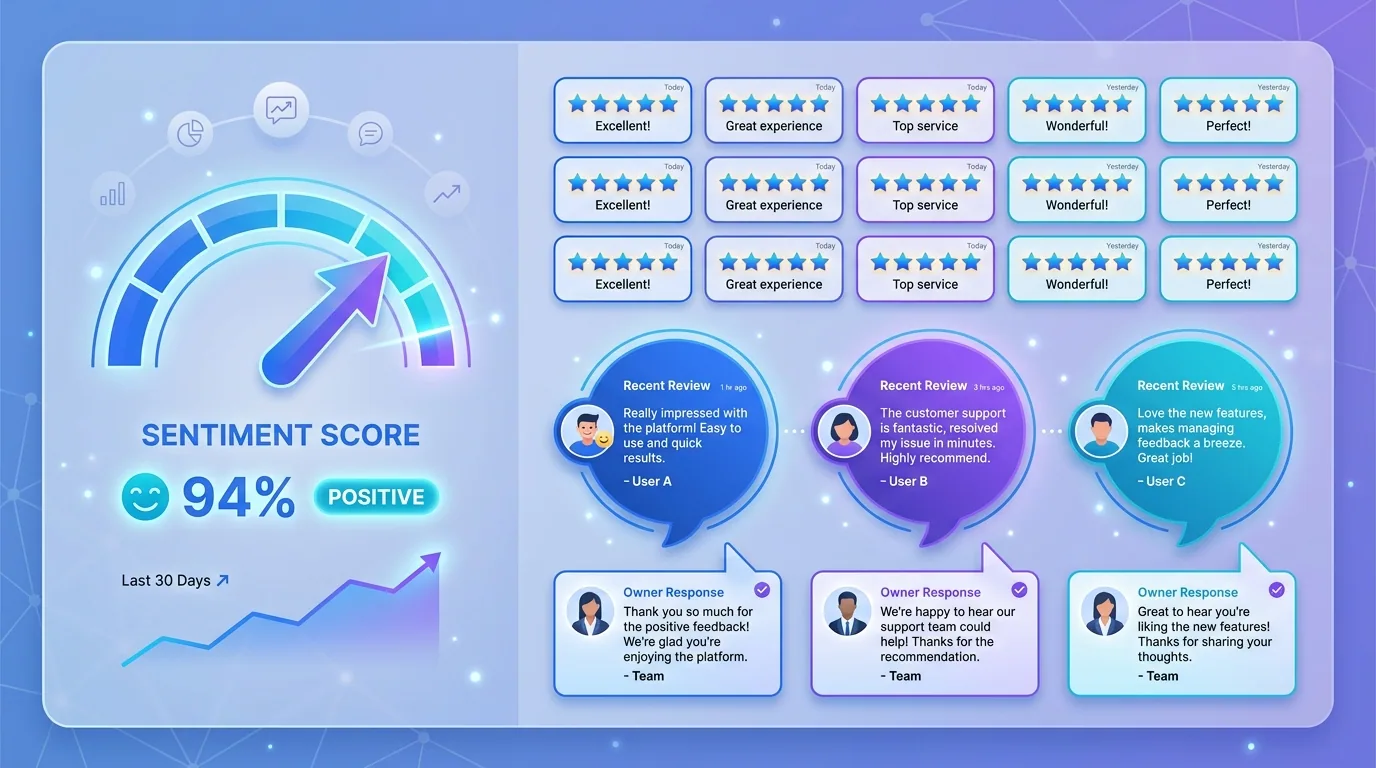
- Ask happy customers for reviews with a simple direct link and a clear prompt.
- Respond to every review, positive and negative, professionally and promptly.
- Keep a steady flow of recent reviews rather than one-off bursts.
- Never buy or fake reviews — it risks suspension and erodes trust.
In local search, your reviews are your reputation made machine-readable. Engines and AI assistants both read them before they recommend you.
— Daniel Okafor, Head of SEO, Fryntavo
Do citations and local links still matter?
Yes — consistent citations (your NAP listed across directories) and local backlinks remain core prominence signals in 2026. The emphasis is on quality and consistency: a handful of authoritative, accurate listings beats hundreds of mismatched ones.
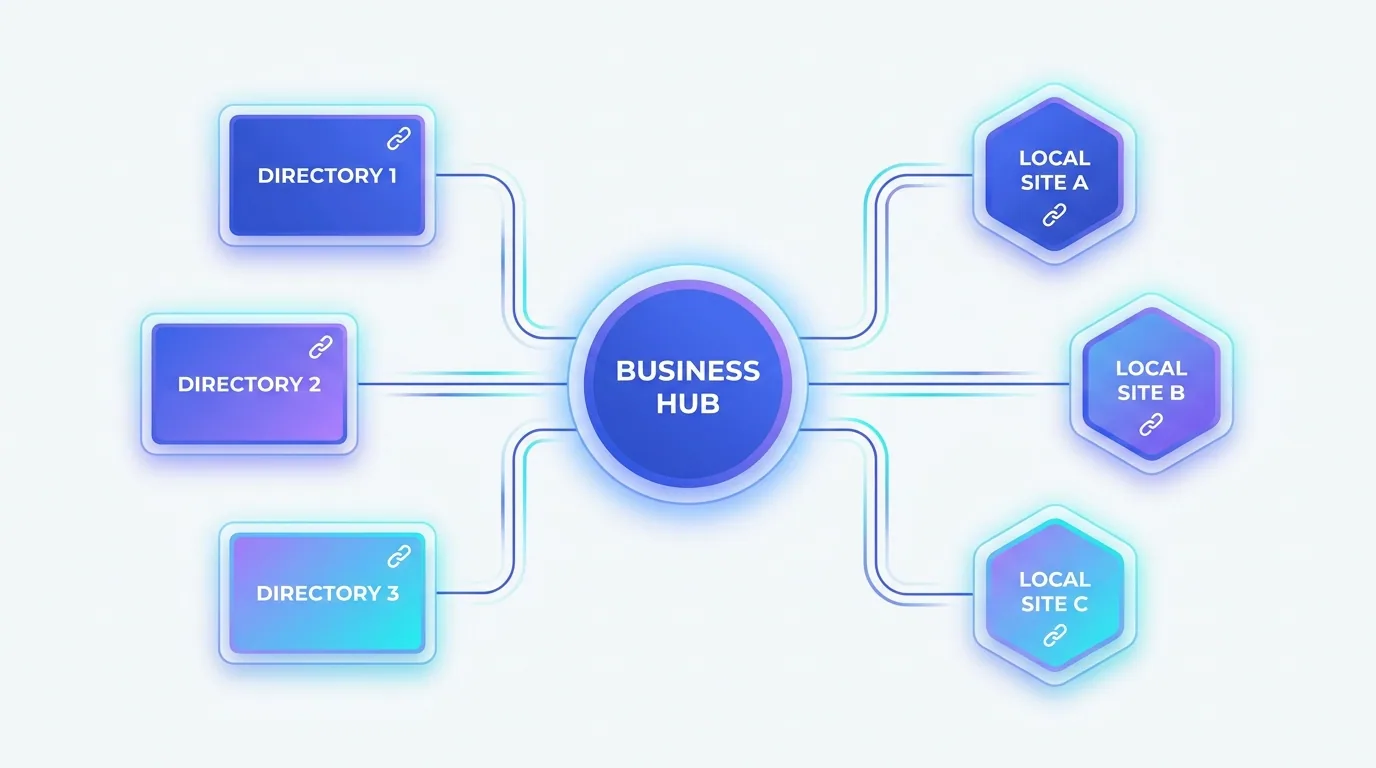
Prioritise the major aggregators and your industry-specific directories, then pursue genuine local links through sponsorships, partnerships, and community involvement. Fix or remove duplicate and outdated listings that fragment your signal.
Local links carry weight that generic links do not. A mention from the chamber of commerce, a local newspaper, a community event you sponsor, or a neighbouring non-competing business tells Google you are an established part of the area. These links are harder to earn than directory listings, which is precisely why they move prominence so effectively for local search.
How do you get recommended by AI for local searches?
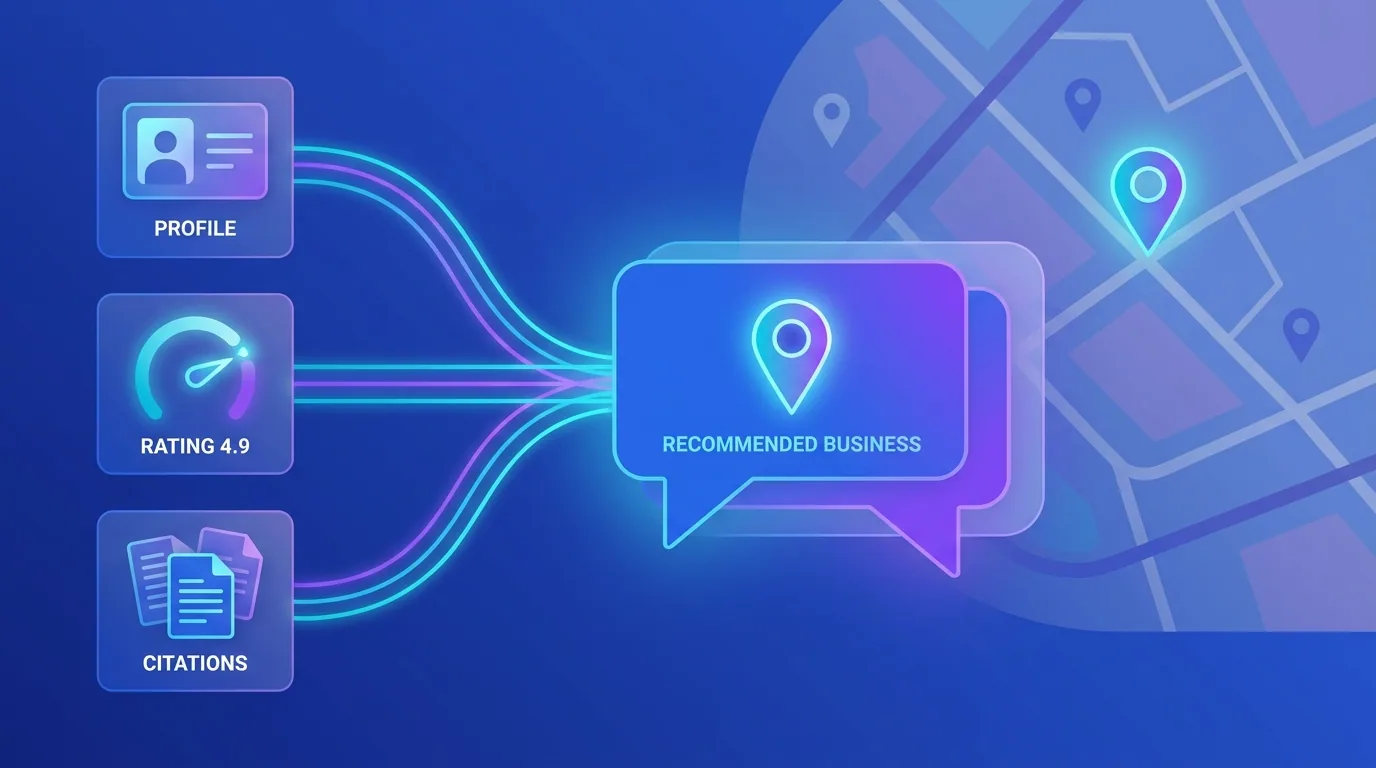
To get recommended by AI for local queries, give the models a clear, consistent, well-reviewed entity to draw on. The same signals that win the map pack — complete profile, accurate NAP, strong reviews, local content — are what AI assistants synthesise into their recommendations.
A fast, mobile-friendly website reinforces all of this — most local searches happen on phones, and slow pages lose impatient, high-intent visitors. We build local businesses fast, conversion-focused sites through our web development service so the click that follows a map pack ranking actually turns into a customer.
Putting your local SEO plan together
Local SEO in 2026 rewards a complete and active Google Business Profile, consistent citations, a steady stream of genuine reviews, locally relevant content, and a fast mobile site. Nail those and you win the map pack, capture "near me" intent, and become the business both Google and AI assistants recommend nearby.
Want to dominate the map pack and 'near me' searches in your area? Our team will optimise your local presence end to end and track every lead.
Get a Free Local SEO AuditFrequently asked questions
What is local SEO in 2026?
Local SEO in 2026 is the work of getting your business surfaced for nearby, high-intent searches, including the map pack, 'near me' queries, and AI-generated local recommendations. It combines a fully optimised Google Business Profile with consistent citations, genuine reviews, and locally relevant content.
How do I rank in the Google map pack?
Rankings come down to relevance, distance, and prominence. Fully optimise your Google Business Profile, keep your name, address, and phone consistent everywhere, earn steady recent reviews, build accurate citations and local links, and publish genuinely local content for the areas you serve.
How do I optimise my Google Business Profile?
Choose the most accurate primary category, complete every field, keep your NAP identical to your site and citations, add services and hours, upload photos regularly, respond to questions and reviews, post updates, and enable messaging and booking so high-intent users can act.
How do I win 'near me' searches?
Prove relevance to the specific area with genuinely local location and service-area pages, reference neighbourhoods and landmarks naturally, earn local backlinks, embed an accurate map, and add LocalBusiness schema so engines parse your location data cleanly.
How important are reviews for local SEO?
Very. Review volume, recency, rating, and your responses are top local ranking and conversion factors, and AI assistants frequently cite review sentiment when recommending a business. Ask happy customers for reviews, respond to every one, and keep a steady flow — never fake them.
Do citations still matter for local SEO in 2026?
Yes. Consistent citations across directories and quality local backlinks remain core prominence signals. Focus on accuracy and consistency over volume, prioritise major aggregators and industry directories, and fix or remove duplicate or outdated listings that fragment your signal.
How do I get recommended by AI for local searches?
Give AI models a clear, consistent, well-reviewed entity to draw on. The same signals that win the map pack — a complete profile, accurate NAP, strong reviews, and local content — are what AI assistants synthesise into their local recommendations.
Can Fryntavo help with local SEO?
Yes. Fryntavo optimises Google Business Profiles, builds consistent citations, supports review generation, creates local content, and improves site speed so you win the map pack and 'near me' searches. Book a free local SEO audit to get started.
Ready to put this into action?
Fryntavo helps brands grow with web development, SEO, marketplace management, and AI automation. Book a free, no-obligation strategy call.
Book a Free Strategy Call