

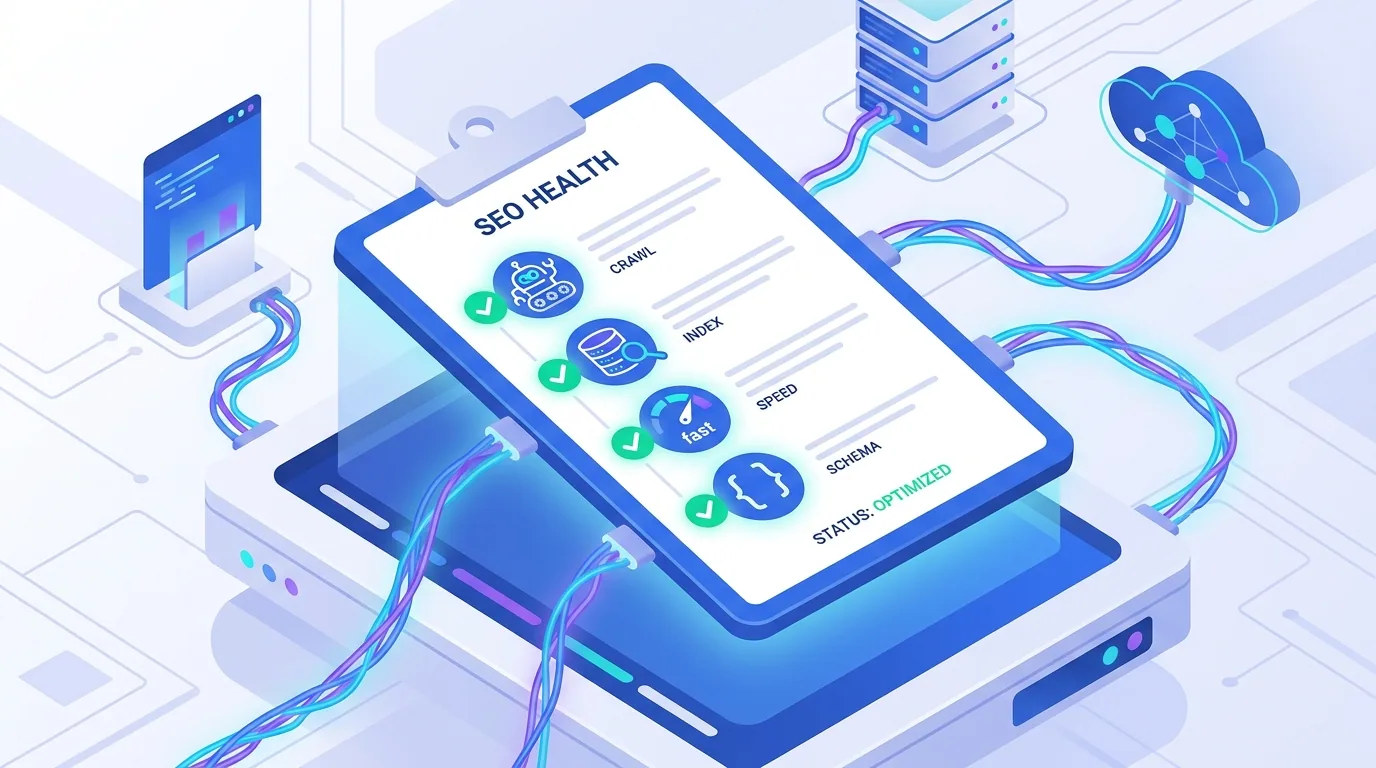
A technical SEO checklist is the systematic audit you run to make sure search engines and AI answer engines can crawl, render, index, and trust your site. In 2026 the essentials come down to four pillars: crawlability and indexing, Core Web Vitals performance, structured data, and AI-search readiness. Get those right and everything else compounds.
This is the 40-plus-point technical SEO checklist our SEO team works through on every audit. Use it as a recurring quarterly review, not a one-time fix — technical debt creeps back the moment you stop watching.
How do you make sure search engines can crawl your site?
Crawlability is the foundation: if bots cannot reach a page, nothing else matters. Start by confirming your robots.txt is not blocking important sections and that your XML sitemap is clean, current, and submitted in Search Console.
On larger sites, crawl budget becomes a real constraint. Search engines allocate a finite amount of crawling to each domain, and every wasted crawl on a filter URL, session parameter, or infinite-scroll trap is a crawl not spent on your money pages. Tightening your internal architecture so bots reach important content quickly is one of the highest-leverage technical wins available.
- Confirm robots.txt allows critical paths and links to your sitemap.
- Submit an up-to-date XML sitemap with only canonical, indexable URLs.
- Fix broken internal links and reduce orphan pages with no internal links.
- Keep important pages within three clicks of the homepage.
- Audit crawl budget on large sites — block faceted, filter, and infinite-scroll traps.
- Resolve redirect chains and loops; use single 301s, not chains.
- Return correct HTTP status codes — real 404s for missing pages, 200s for live ones.
How do you control what gets indexed?
Indexing is about quality, not quantity — you want your best pages indexed and your thin or duplicate ones kept out. Use canonical tags, noindex directives, and consolidation to send a clear signal about which URL deserves to rank.
A bloated index actively hurts you. When thin, duplicate, or low-value URLs flood the index, they dilute your site's perceived quality and waste the crawl resources that should go to your important pages. Pruning ruthlessly — consolidating overlapping content and removing pages that serve no search purpose — often lifts rankings on the pages you keep, because the whole domain reads as higher quality.

- Set canonical tags correctly and avoid conflicting canonical signals.
- Apply noindex to thin, duplicate, internal-search, and staging pages.
- Check the Pages report in Search Console for indexing errors and exclusions.
- Consolidate duplicate content and near-duplicates into a single strong URL.
- Ensure pagination and faceted navigation do not bloat the index.
- Verify hreflang tags on multilingual or multi-region sites are reciprocal and valid.
What are the Core Web Vitals targets for 2026?
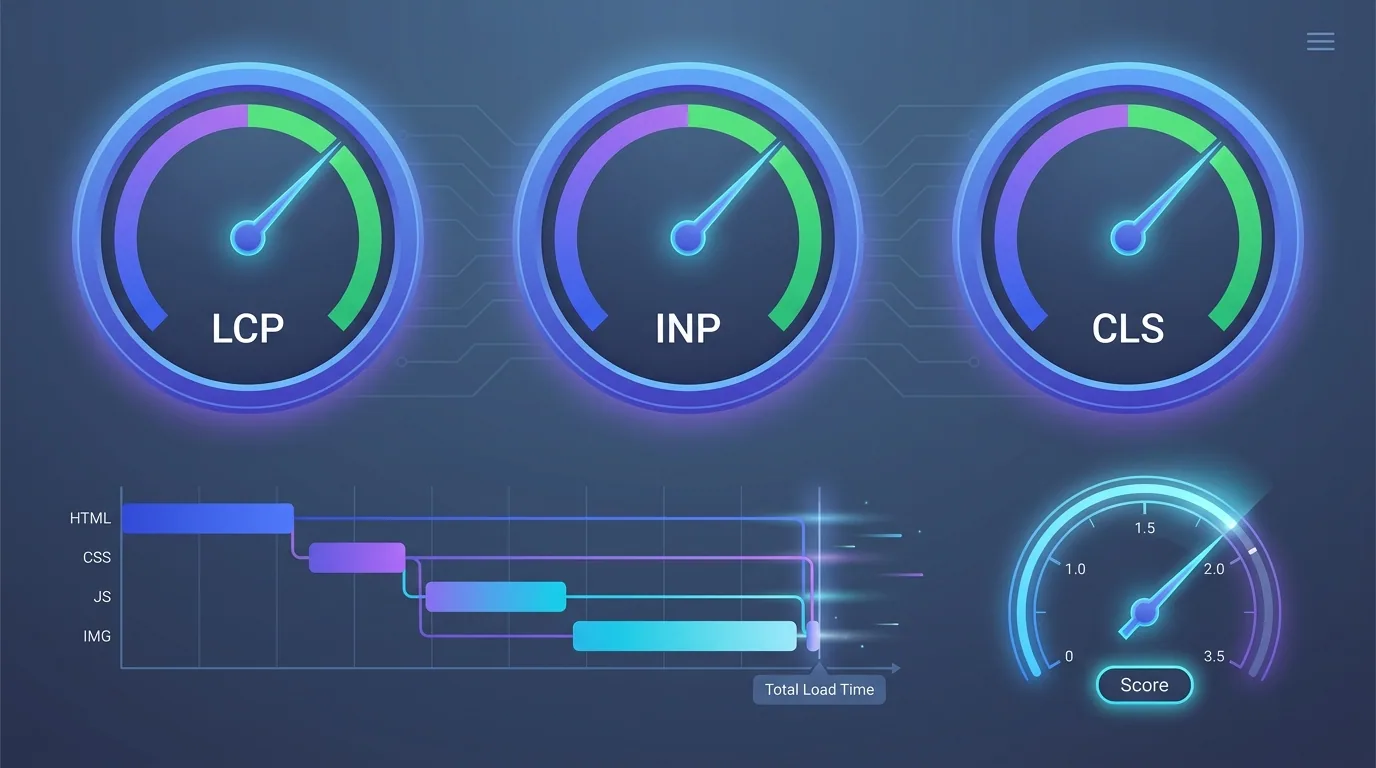
The 2026 Core Web Vitals bar is strict: aim for a Largest Contentful Paint near 2.0 seconds, an Interaction to Next Paint under 200ms, and a Cumulative Layout Shift below 0.1. INP is the metric most sites still fail, because heavy JavaScript blocks the main thread during interactions.
Always optimise against field data, not just lab scores. A synthetic test on a fast connection can look perfect while real users on mid-range phones and patchy networks struggle. The Chrome User Experience Report and the field data in Search Console reflect actual visitors, and those are the numbers Google uses to assess your site, so treat them as the source of truth.
- Serve images in WebP or AVIF, sized responsively with width and height set.
- Lazy-load below-the-fold media and preload the LCP element.
- Minimise and defer JavaScript; break up long tasks to protect INP.
- Use a CDN and modern caching headers for fast global delivery.
- Reserve space for ads, embeds, and fonts to keep CLS near zero.
- Adopt server-side rendering or static generation so content paints fast.
Which structured data should you implement?
Structured data gives engines a machine-readable version of your content, which is increasingly important for both rich results and AI extraction. At minimum, implement Organization, Article, BreadcrumbList, and FAQPage schema, then add type-specific markup like Product, LocalBusiness, or HowTo where relevant.
Schema is also how you make your brand legible as an entity. Clear Organization and author markup tells search engines and AI models who you are, what you do, and who stands behind your content — exactly the signals they weigh when deciding whether to trust and cite a source. As AI search matures, this entity clarity is becoming one of the most underrated technical investments a site can make.
- Add Organization and WebSite schema sitewide with clear entity details.
- Mark up content with Article plus visible author information.
- Use BreadcrumbList to clarify site hierarchy.
- Add FAQPage schema to question-and-answer sections for AI extraction.
- Validate everything in the Rich Results Test and fix all errors and warnings.
How do you make a site AI-search ready?
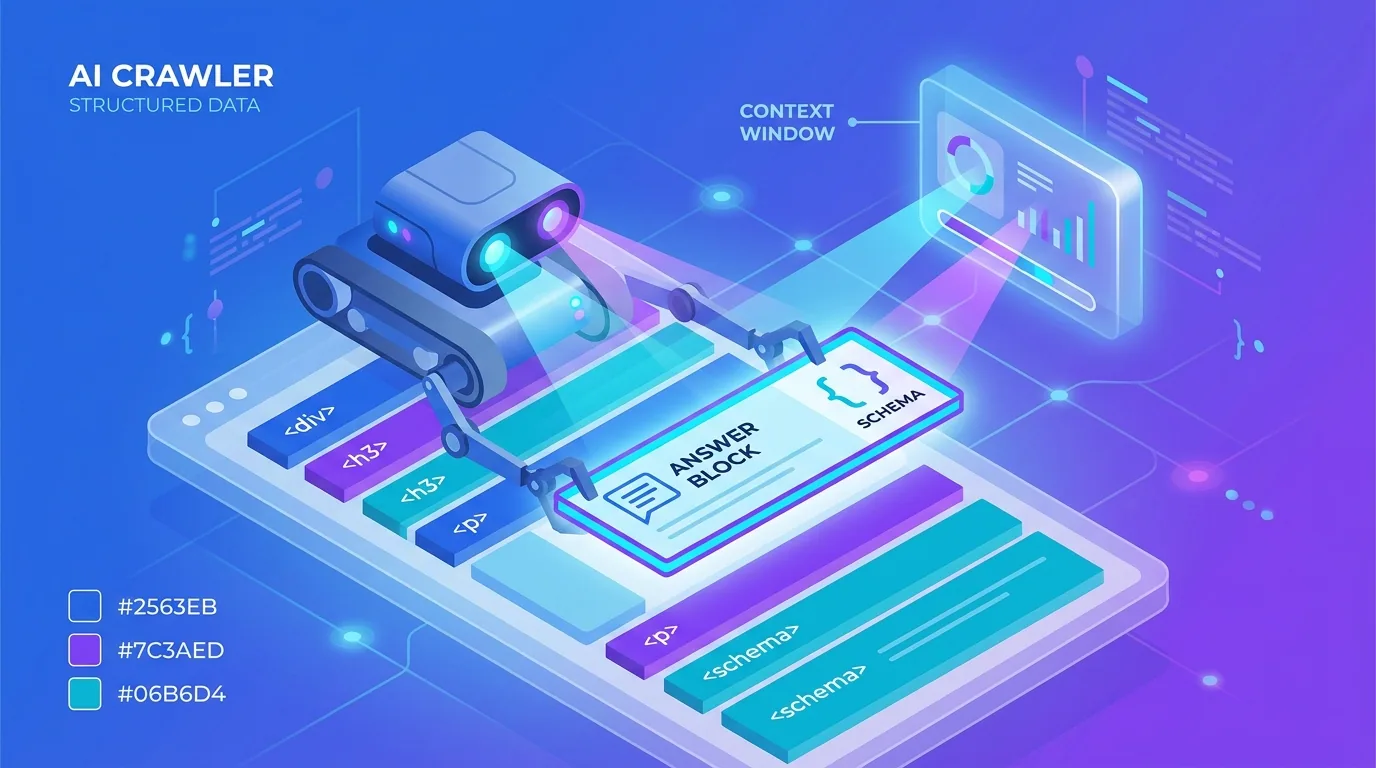
AI-search readiness means your content is easy for answer engines to fetch, parse, and quote. The technical layer matters here: clean HTML, fast retrieval, accessible content that does not hide behind client-side rendering, and explicit signals about what your pages mean.
A common failure mode is content that only appears after JavaScript executes. Many AI retrieval crawlers either do not run scripts or do so with tight limits, so anything that depends on client-side hydration may simply be invisible to them. Rendering your primary content server-side ensures both classic and AI crawlers see the full page on the first fetch, with no rendering gamble.
- Render key content server-side so it is visible without executing heavy JavaScript.
- Confirm AI crawlers are not unintentionally blocked in robots.txt.
- Lead pages with an answer-first block engines can lift cleanly.
- Keep an accurate, current author and Organization entity footprint.
- Maintain HTTPS, a valid certificate, and no mixed-content warnings.
What ongoing technical SEO maintenance matters?
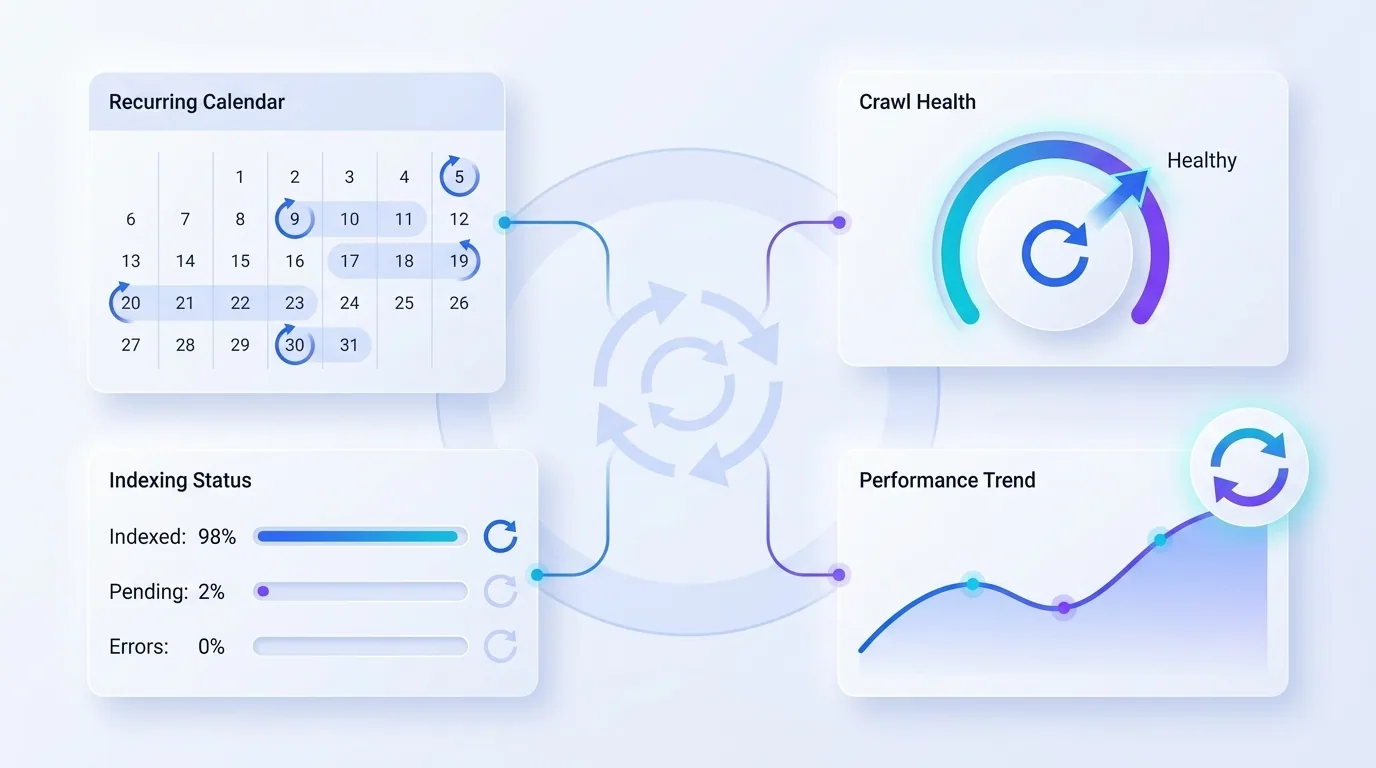
Technical SEO is never finished. Set a recurring cadence to monitor Search Console, re-crawl the site, watch field Core Web Vitals, and catch regressions before they cost you traffic.
Technical SEO is plumbing. Nobody notices it until it leaks — and by then you have already lost the traffic.
— Daniel Okafor, Head of SEO, Fryntavo
Many performance and rendering issues are baked in at build time, which is why we pair audits with modern web development — fixing the foundation is faster and cheaper than patching a slow stack forever.
Working the checklist
A strong technical SEO checklist keeps your site crawlable, well-indexed, fast, structured, and ready for AI search. Run it quarterly, fix the highest-impact issues first, and document every change so you can tie ranking movement back to the work. Get the foundation right and your content and authority efforts finally pay off in full.
Want a full technical SEO audit against the 2026 checklist? Our team will find what is holding your site back and give you a prioritised fix plan.
Request a Technical SEO AuditFrequently asked questions
What is a technical SEO checklist?
A technical SEO checklist is a systematic audit covering crawlability, indexing, Core Web Vitals, structured data, and AI-search readiness. It ensures search engines and AI answer engines can crawl, render, index, and trust your site so your content and authority efforts can pay off.
What are the Core Web Vitals targets for 2026?
In 2026 the targets are a Largest Contentful Paint near 2.0 seconds, an Interaction to Next Paint under 200 milliseconds, and a Cumulative Layout Shift below 0.1. INP is the metric most sites fail because heavy JavaScript blocks the main thread during interactions.
How often should I run a technical SEO audit?
Run a full technical SEO audit at least quarterly, plus a fresh crawl after any redesign, migration, or major release. Technical debt creeps back quickly, so treat the checklist as a recurring habit rather than a one-time project.
How do I improve crawlability?
Confirm robots.txt allows critical paths, submit a clean XML sitemap, fix broken internal links and orphan pages, keep important pages within three clicks of the homepage, and eliminate redirect chains. On large sites, also manage crawl budget by blocking filter and faceted traps.
What structured data should every site have?
At minimum, implement Organization and WebSite schema sitewide, Article schema with visible author information, BreadcrumbList for hierarchy, and FAQPage schema on question-and-answer sections. Add type-specific markup like Product, LocalBusiness, or HowTo where relevant, and validate it all.
How do I make my site AI-search ready?
Render key content server-side so it is visible without heavy JavaScript, ensure AI crawlers are not blocked in robots.txt, lead pages with an answer-first block, keep an accurate author and Organization entity footprint, and maintain HTTPS with no mixed-content issues.
Does technical SEO still matter with AI search?
Yes, more than ever. AI answer engines run on the same crawl-and-index pipeline as classic search, and their live retrieval layer skips slow or broken pages. A technically healthy, fast, structured site is the price of admission to both ranked results and AI answers.
Can Fryntavo perform a technical SEO audit?
Yes. Fryntavo runs full technical SEO audits against the 2026 checklist, covering crawlability, indexing, Core Web Vitals, structured data, and AI-search readiness, and delivers a prioritised fix plan. Book a free strategy call to get started.
Ready to put this into action?
Fryntavo helps brands grow with web development, SEO, marketplace management, and AI automation. Book a free, no-obligation strategy call.
Book a Free Strategy Call