
An AI agent is a software system that uses a large language model to pursue a goal by reasoning, making decisions, and taking actions through tools — not just generating text. Where a chatbot answers your question, an agent can break a goal into steps, call APIs, look things up, update records, and check its own work until the task is done. That shift from answering to *acting* is what people mean by agentic AI.
For business leaders, the practical question is no longer "what is an AI agent" in the abstract — it is where agents reliably create value and how to deploy them safely. This guide walks through how agents actually work, the realistic use cases in 2026, and how our team designs AI agents for business that earn their keep.
What is an AI agent, exactly?
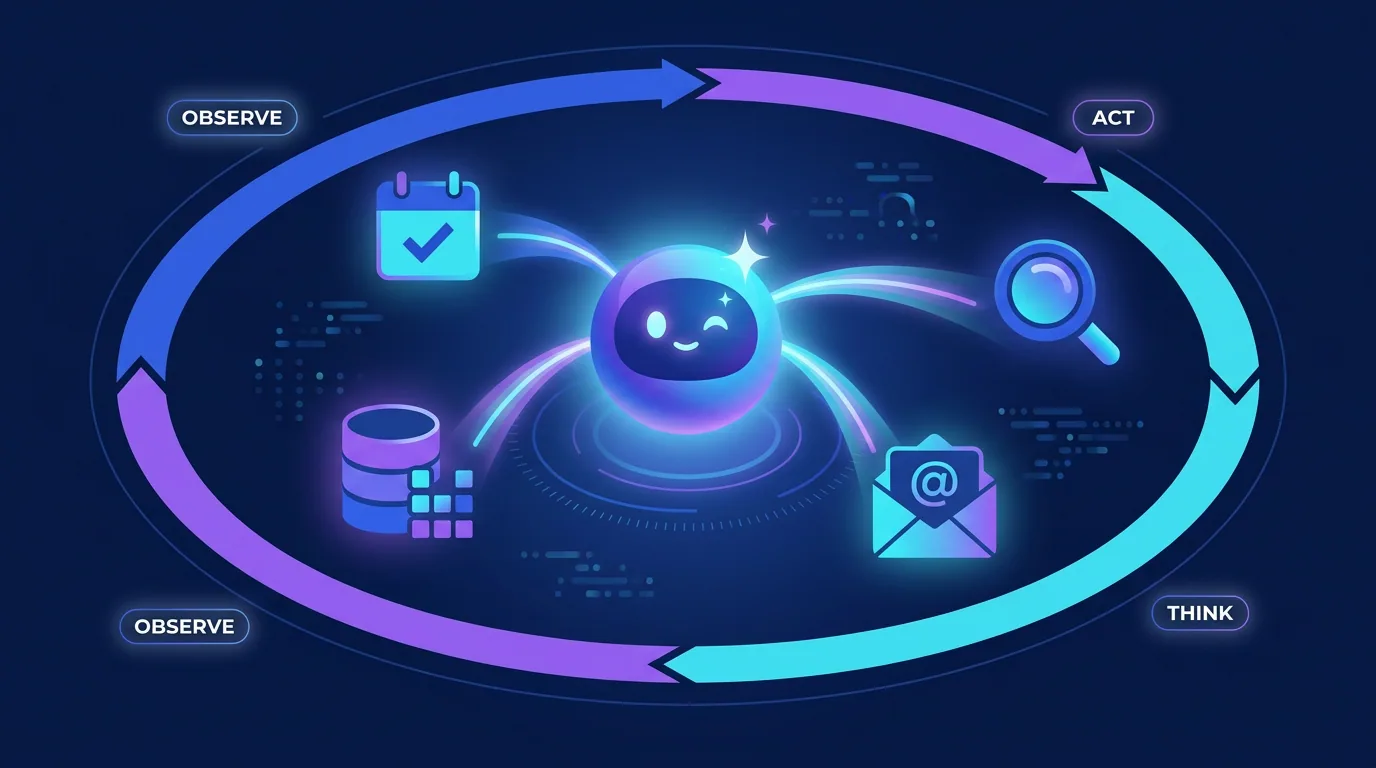
Think of an AI agent as a capable assistant that has been given a goal, a set of tools, and the autonomy to use them. The language model is the reasoning engine; the tools are how it touches the real world. An agent observes the situation, decides what to do next, performs an action, observes the result, and repeats — a loop that continues until the objective is met or it needs a human.
This is fundamentally different from a one-shot prompt. A traditional model returns a single response. An autonomous agent plans, executes multiple steps, recovers from errors, and adapts as new information arrives. The intelligence is not only in the answer; it is in the trajectory the agent takes to get there.
A useful mental model is the difference between asking a colleague a question and handing them a project. The question gets you an answer; the project gets you a result, with all the small decisions and course corrections handled along the way. Agents are built for the second kind of work — open-ended objectives where the exact steps cannot be fully scripted in advance and judgement is required at each turn.
How do AI agents actually work?
Most production agents follow a recognisable architecture. The model reasons about the goal, selects a tool, and the surrounding system — the "harness" — executes that tool call and feeds the result back. The agent keeps looping, holding context as it goes, until it reaches a stopping point.
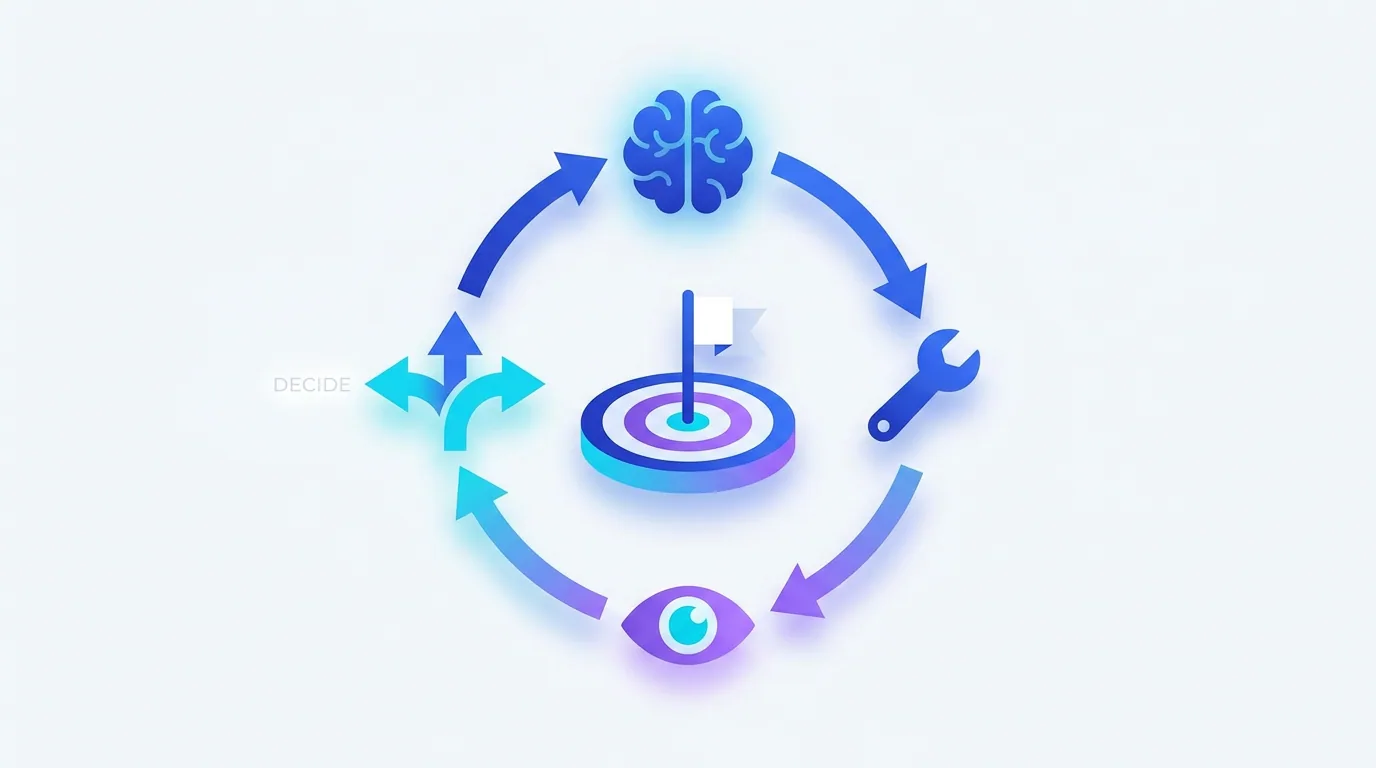
- Goal: the agent receives an objective, ideally specific and measurable, like "triage this support ticket and draft a reply."
- Reasoning: the model plans an approach and decides which tool or step comes first.
- Action: the agent calls a tool — a search, a database query, an email send — to affect the real world.
- Observation: the result of that action returns to the agent as new context.
- Iteration: the agent repeats the loop, correcting course, until the goal is complete or it escalates to a human.
Agents vs chatbots vs workflows: what's the difference?
These terms get blurred, but the distinction is real and it should guide where you invest. A chatbot answers and converses. A workflow runs a fixed, code-defined sequence of steps where you control the logic. An agent decides its own path within the boundaries you set.
The honest engineering answer is that you should start with the simplest option that solves the problem. Not every task needs an agent — a deterministic AI workflow is often cheaper, faster, and more predictable. Reach for an autonomous agent when the task is genuinely open-ended, hard to fully specify in advance, and valuable enough to justify the extra cost and oversight.
The best agent projects start by asking whether the task even needs an agent. If you can write the steps down, build a workflow. If you can't, an agent is worth it.
— Priya Nair, AI Solutions Architect, Fryntavo
What are the best AI agent use cases for business?
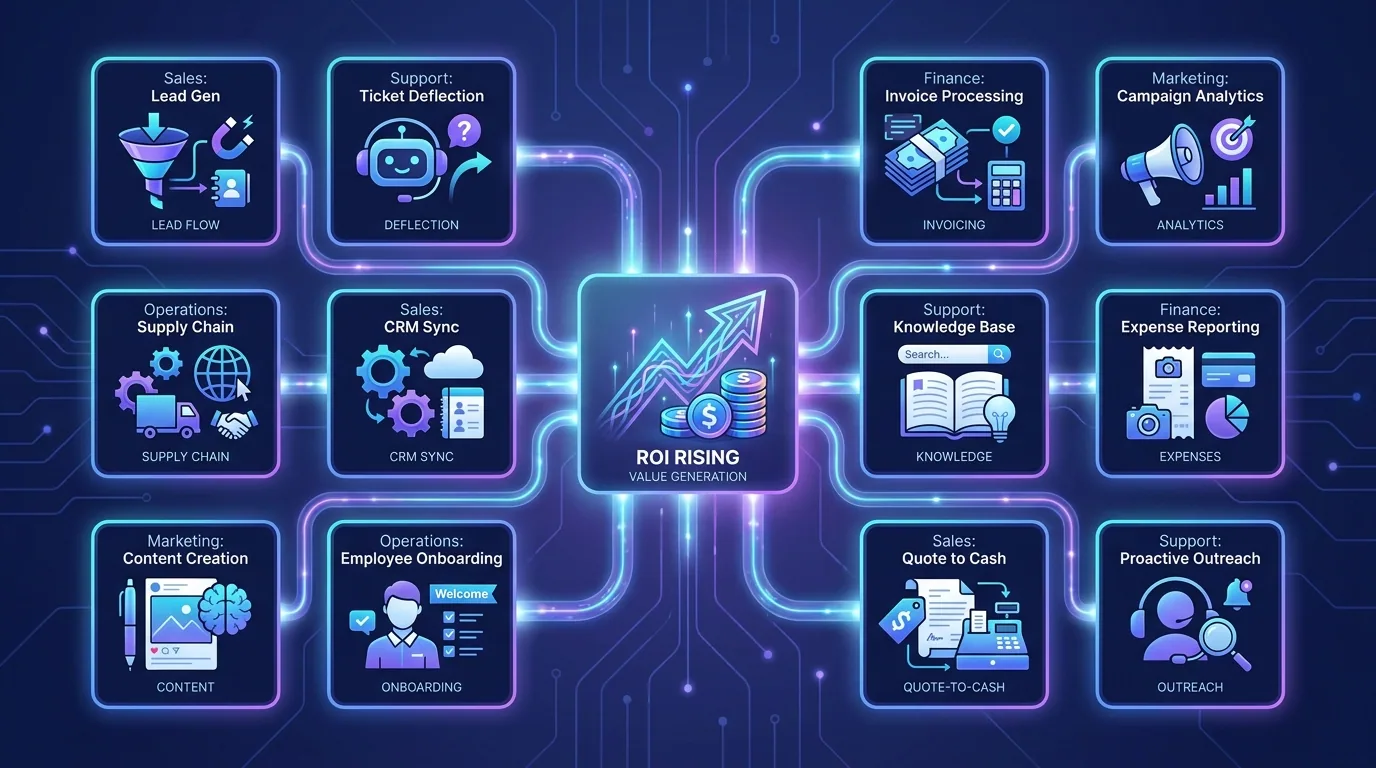
The strongest use cases in 2026 share a profile: repetitive, multi-step work that touches several systems, where errors are recoverable and a human can review the outcome. Agents shine when they remove the tedious glue work between tools that staff currently do by hand.
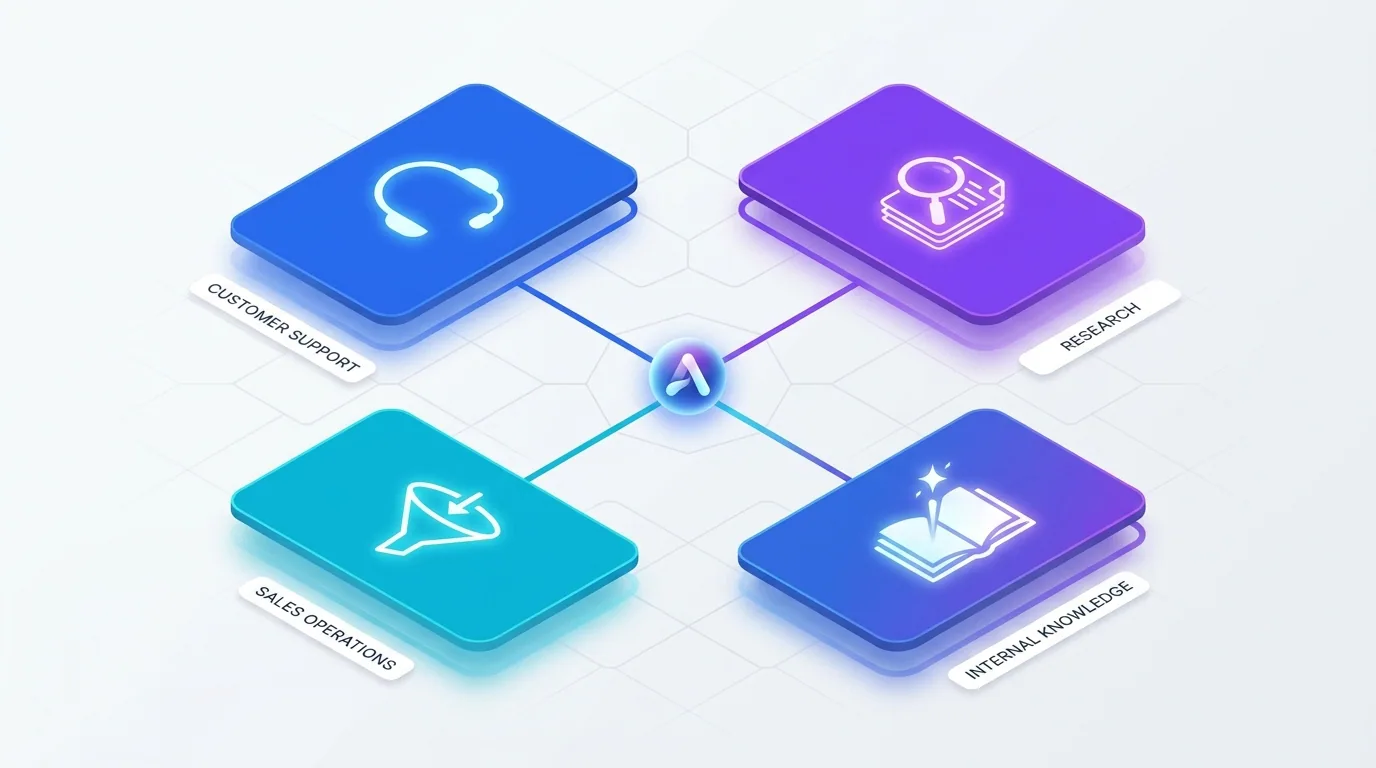
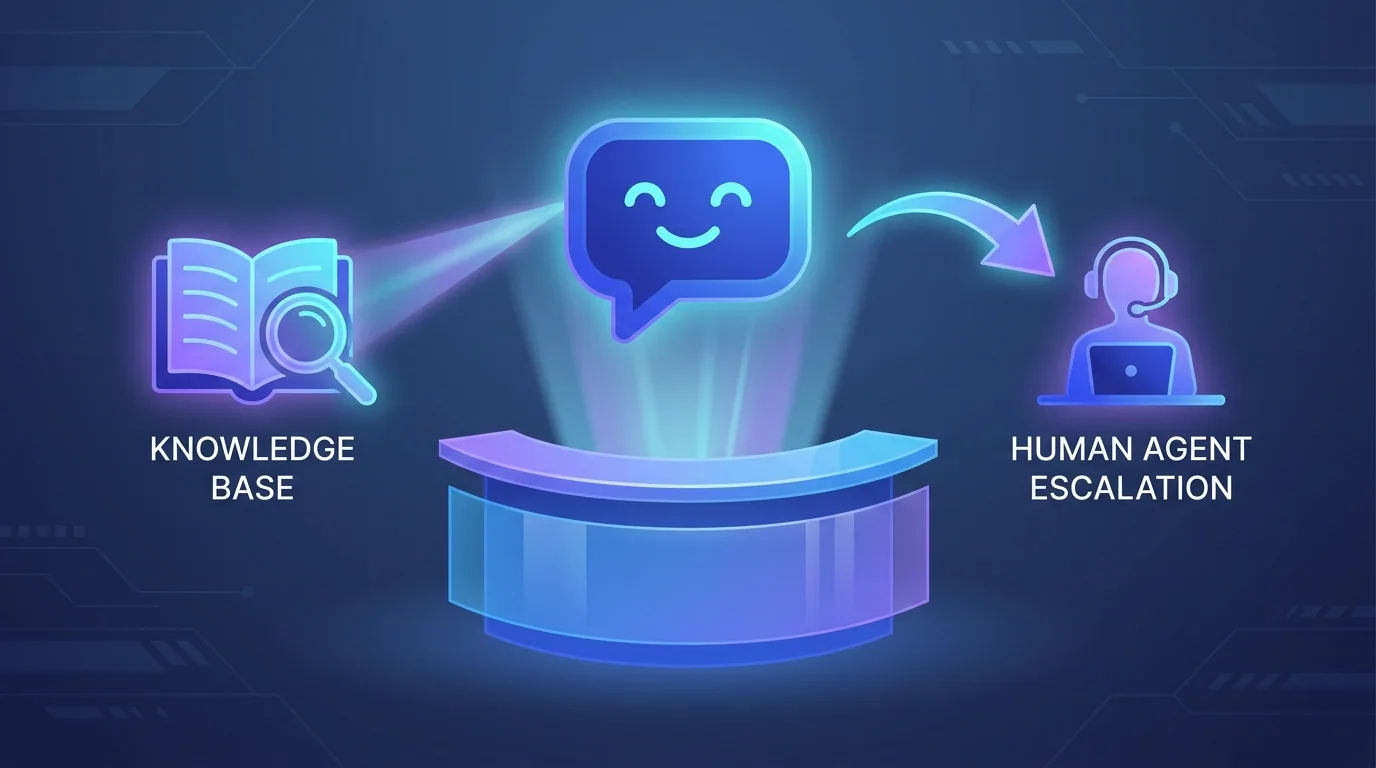
- Customer support triage: read an incoming ticket, pull the relevant account and history, draft a resolution, and escalate edge cases to a person.
- Research and analysis: gather information from multiple sources, synthesise it, and produce a structured brief with citations.
- Sales and revenue operations: enrich leads, update the CRM, schedule follow-ups, and prepare meeting notes automatically.
- Internal knowledge assistants: answer staff questions from your own documentation and act on requests like provisioning access or filing tickets.
- Operations automation: reconcile data between systems, monitor for anomalies, and run routine multi-step processes end to end.
Are AI agents safe to let loose?
Autonomy without guardrails is the fastest way to lose trust in an agent. The right model is bounded autonomy: the agent acts freely on low-risk, reversible steps, and pauses for human approval on anything consequential — sending an external message, spending money, deleting data. Good agent design is as much about *where you put the brakes* as about capability.
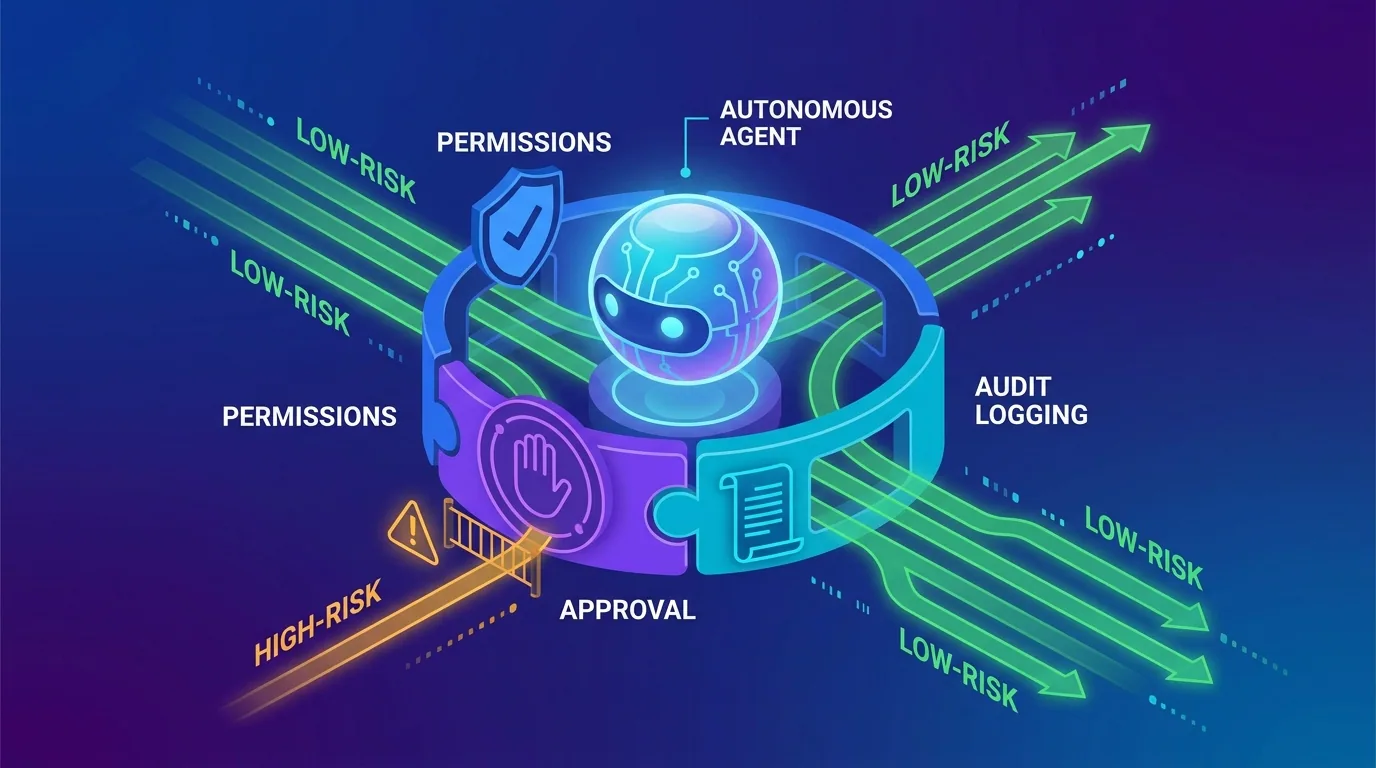
- Permission gates: require explicit confirmation before irreversible or external actions.
- Scoped access: give the agent the minimum tools and data it needs, never blanket access.
- Human-in-the-loop: keep a person reviewing outputs in high-stakes workflows until trust is earned.
- Auditability: log every action so you can trace exactly what the agent did and why.
How should a business get started with AI agents?
Start narrow and concrete. Pick one painful, well-understood process — not your most complex one — and define what "done" looks like in measurable terms. Build the agent against that single outcome, keep a human reviewing the results, and expand its autonomy only as it proves reliable. A small agent that nails one workflow beats an ambitious one that does everything badly.
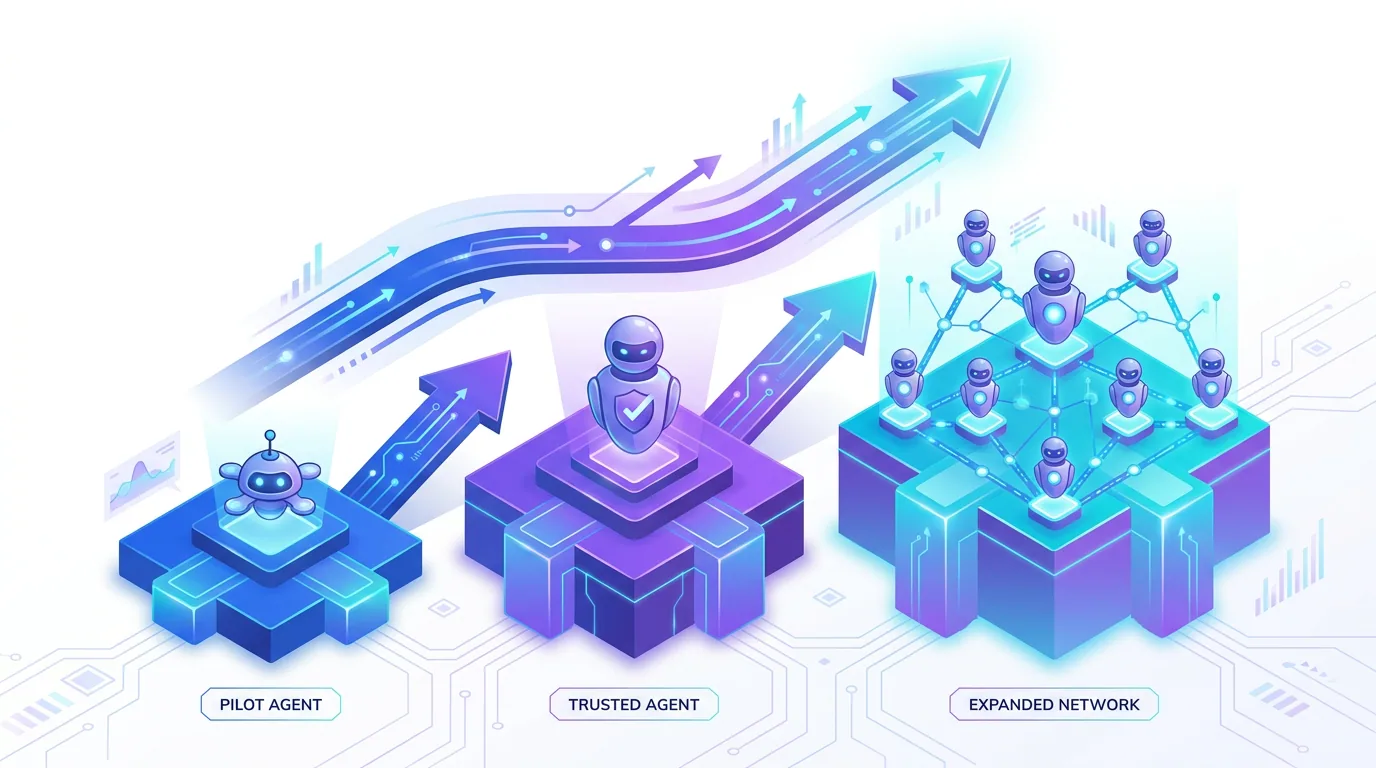
Measure the agent against the same yardstick you would use for a human doing the task: accuracy, time saved, and how often it needs escalation. When those numbers hold, you have a foundation you can confidently scale. This measured approach is how we help clients move from curiosity to dependable agentic automation.
The mistake to avoid is treating agents as a science project that runs forever without proving value. Set a clear success metric before you build, give the project a deadline to demonstrate impact, and be willing to keep a simpler workflow if it does the job. The teams that get real value from agentic AI are disciplined about starting small, measuring honestly, and only expanding autonomy once the agent has genuinely earned it.
Curious whether an AI agent could take work off your team's plate? We'll help you identify the right first use case and build an agent that delivers measurable results.
Explore AI AgentsFrequently asked questions
What is an AI agent?
An AI agent is a software system powered by a large language model that pursues a goal by reasoning, making decisions, and taking actions through tools rather than only generating text. It plans steps, calls APIs or services, observes the results, and iterates until the task is complete.
What is the difference between an AI agent and a chatbot?
A chatbot answers questions and holds conversations, returning text. An AI agent goes further: it decides on a course of action, uses tools to affect real systems, and works through multiple steps to complete a goal. In short, chatbots respond while agents act.
What is agentic AI?
Agentic AI describes systems that exhibit autonomy — they set or follow goals, plan, use tools, and adapt their behaviour based on outcomes. It is the broader category that AI agents belong to, contrasted with single-response models that simply answer a prompt.
What are autonomous agents used for in business?
Common business uses include customer support triage, research and analysis, sales and CRM operations, internal knowledge assistants, and operations automation. The best fit is repetitive, multi-step work that spans several systems and where outcomes can be reviewed.
Are AI agents safe to deploy?
They can be, with the right guardrails. Effective agent design uses bounded autonomy: agents act freely on low-risk, reversible steps and pause for human approval on consequential actions. Scoped access, human-in-the-loop review, and full audit logging keep deployments safe.
Do I need an AI agent or just an automation workflow?
Start with the simplest option. If you can write down the exact steps, a deterministic workflow is usually cheaper and more predictable. Use an autonomous agent when the task is open-ended, hard to specify in advance, and valuable enough to justify the added cost and oversight.
How do I start using AI agents in my company?
Pick one painful, well-understood process and define a measurable outcome. Build an agent for that single task, keep a human reviewing results, and expand its autonomy only as it proves reliable. Starting narrow beats trying to automate everything at once.
Can Fryntavo build a custom AI agent for my business?
Yes. Fryntavo helps you identify the highest-value use case, designs the agent with the right tools and guardrails, and integrates it with your systems. We start with a focused pilot and scale autonomy as the agent earns trust. Book a call to discuss your workflows.
Ready to put this into action?
Fryntavo helps brands grow with web development, SEO, marketplace management, and AI automation. Book a free, no-obligation strategy call.
Book a Free Strategy Call