
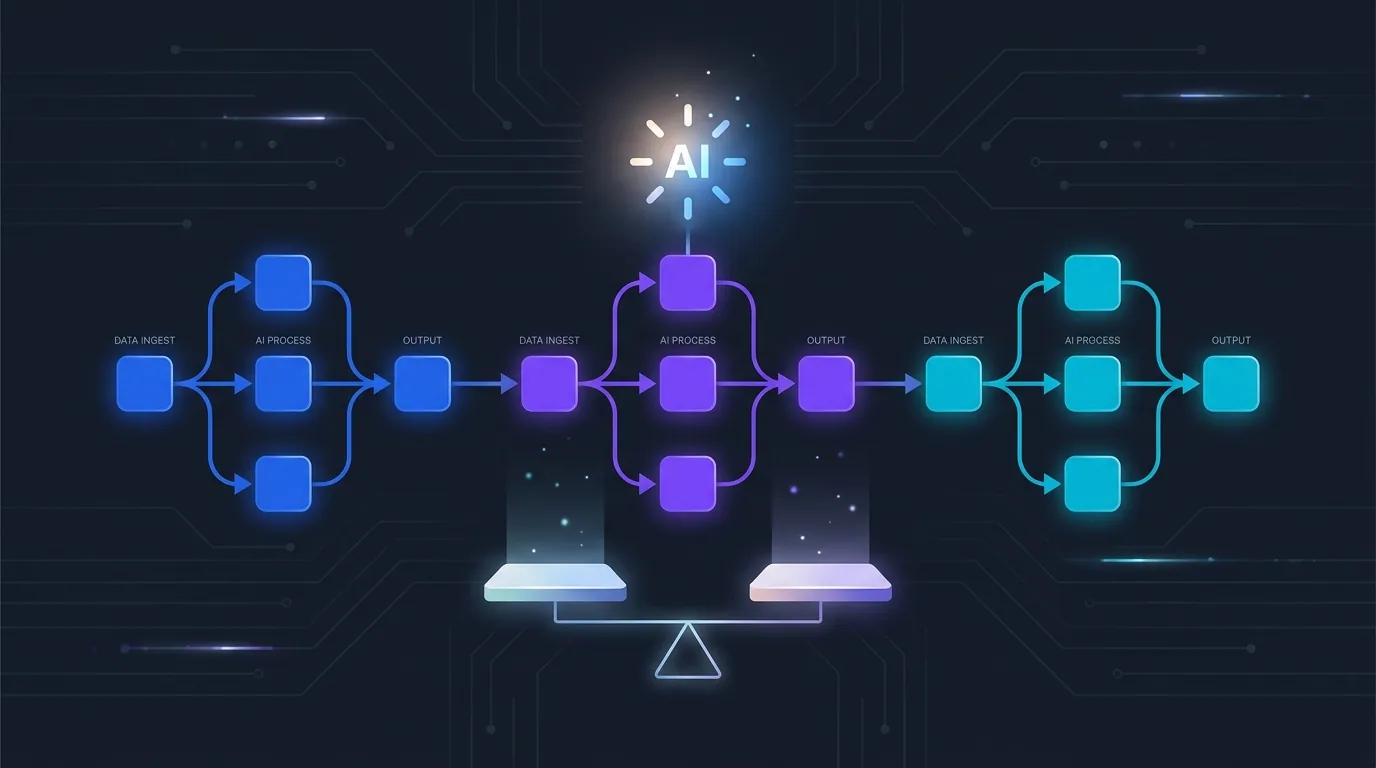
If you only need a quick answer: in 2026, choose Zapier when you want the fastest setup and the widest app catalog, Make when you want visual power and complex logic at a lower cost, and n8n when you want maximum control, self-hosting, or deep AI-agent workflows without per-task billing. All three are excellent — the right pick depends on your team's technical comfort, budget, and how AI-heavy your automations are.
We build automations on all three platforms every week, so this comparison is based on what actually happens in production, not feature-sheet marketing. Below we break down pricing models, the learning curve, AI and agentic capabilities, and the specific situations where each platform wins. If you would rather skip the comparison and have it built for you, our AI workflow team does exactly that.
What is the difference between n8n, Make, and Zapier?
All three connect apps and automate repetitive work without you writing glue code, but they sit on a spectrum. Zapier is the most beginner-friendly and the most expensive at scale. Make (formerly Integromat) gives you a visual canvas with serious branching, looping, and data-handling power for less money. n8n is the developer-leaning, source-available option you can self-host — it bills by workflow execution rather than by individual task, which changes the economics completely for high-volume use.
Put simply: Zapier optimises for speed and simplicity, Make optimises for visual power per dollar, and n8n optimises for control and cost at scale. The dominant question in 2026 is no longer just "which connects to my apps" — it is "which handles AI agents and human-in-the-loop approval gates best."
It helps to think about who each platform was built for. Zapier was designed for the marketer or operator who wants results without touching anything that resembles code. Make was built for the power user who enjoys seeing the whole machine laid out visually and wiring it together. n8n was built for teams who think like engineers and want their automation to behave like real software — version-controlled, testable, and hosted wherever they choose. None of these audiences is wrong; the trick is being honest about which one describes you.
How does pricing compare in 2026?
Pricing is where these platforms diverge the most, and it is the number one reason teams switch. The critical concept is the billing unit. Zapier and Make charge per task or per operation — every step that runs consumes credits. n8n charges per workflow execution, so a flow with thirty steps still counts as one.
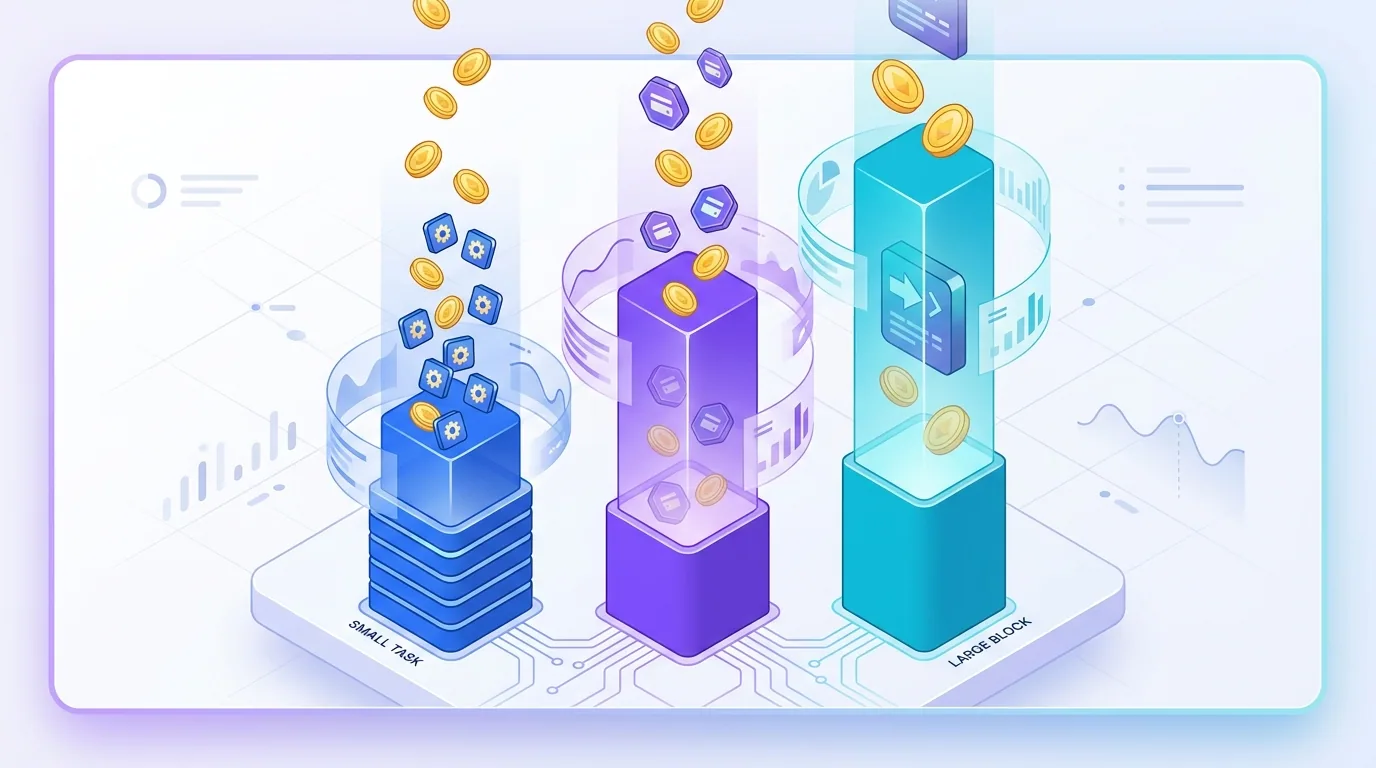
- Zapier: the highest per-task cost, but the lowest setup effort. Great when volume is modest and time-to-launch matters more than the bill.
- Make: dramatically cheaper per operation than Zapier, with a generous free tier. The visual canvas means you can do more per scenario.
- n8n: cloud plans bill per execution; self-hosting on your own server can make heavy automation effectively flat-rate after infrastructure costs.
Which platform is easiest to learn?
Zapier wins on ease of entry, full stop. Its trigger-action model reads almost like a sentence — "when a new lead arrives, add them to the CRM" — and most people build their first useful automation in under ten minutes. There is little to configure and very little to break.
Make introduces a visual node canvas. It is more powerful and only slightly harder once you understand modules, but the data-mapping and array handling reward a little study. n8n has the steepest curve: it expects comfort with JSON, expressions, and occasionally a snippet of JavaScript. The payoff is that almost nothing is off-limits — including custom code nodes and self-hosted AI models.

Which is best for AI agents and agentic workflows?
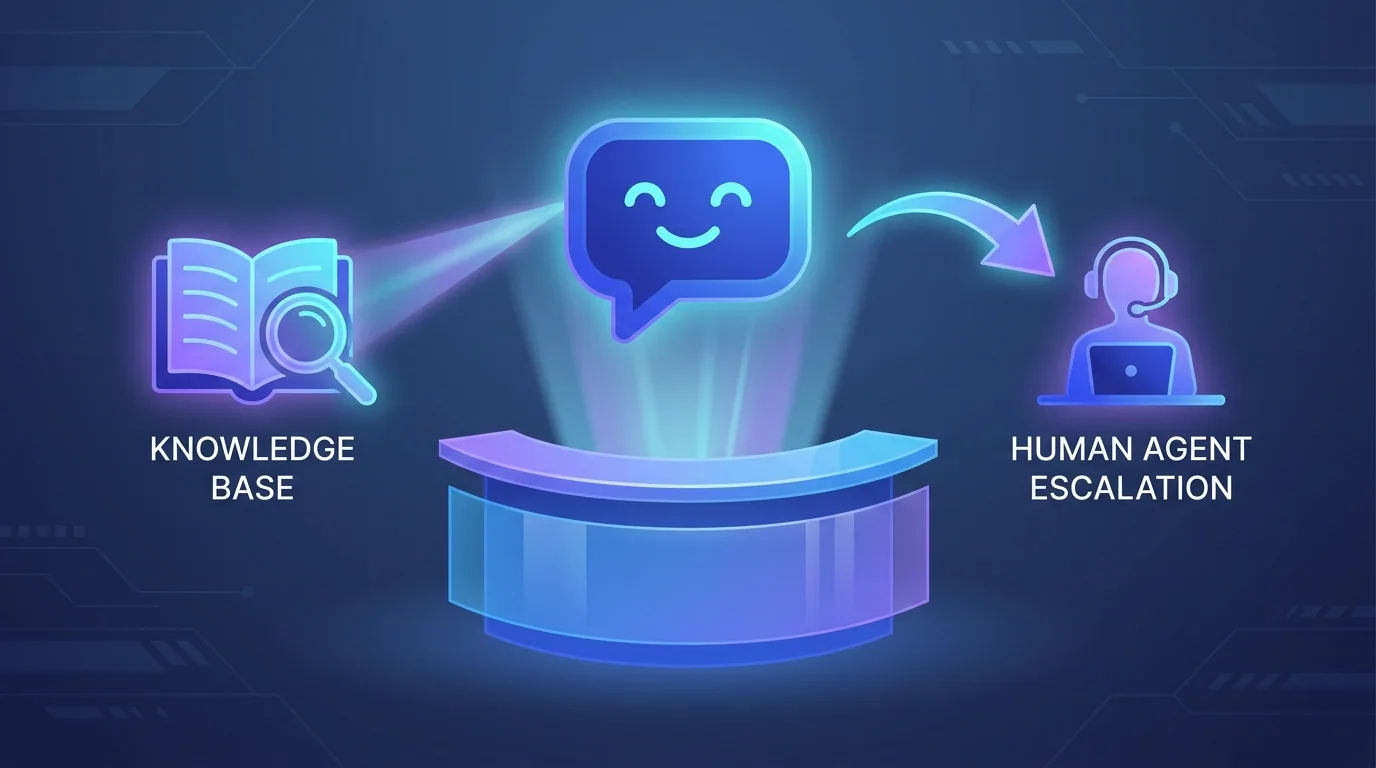
This is the decisive question for 2026. As agentic AI and the Model Context Protocol (MCP) become the standard for connecting models to tools, the platforms have raced to add native AI nodes, vector stores, and agent orchestration. n8n leads here: it ships first-class AI agent nodes, MCP support, memory, and the ability to run open or self-hosted models — ideal for data-sensitive workflows that cannot send everything to a third-party cloud.
Make has strong, approachable AI modules and is excellent for visual multi-step AI pipelines. Zapier's AI features are the most polished for non-technical users, with built-in agents and a natural-language builder, but they assume you are comfortable on its managed cloud. For complex, tool-using agents with human-in-the-loop approval gates, n8n and Make give you the finest control over where a human signs off before an action fires.
The data-sensitivity angle deserves emphasis. If your automations touch customer records, financial data, or anything covered by a compliance regime, the ability to keep both the workflow and the AI model inside your own infrastructure is not a nice-to-have — it can be the deciding factor. This is where n8n's self-hosting and support for local models pulls decisively ahead, because the data never has to leave your environment to be processed.
The platform question used to be about integrations. In 2026 it is about how cleanly each one lets an AI agent take an action — and how easily a human can approve it first.
— Priya Nair, AI Solutions Architect, Fryntavo
When should you choose each platform?
Here is the decision we actually make for clients. Match your situation to the closest profile and you will rarely go wrong. Many businesses end up running more than one — Zapier for a few quick internal triggers and n8n for the heavy, AI-driven core.
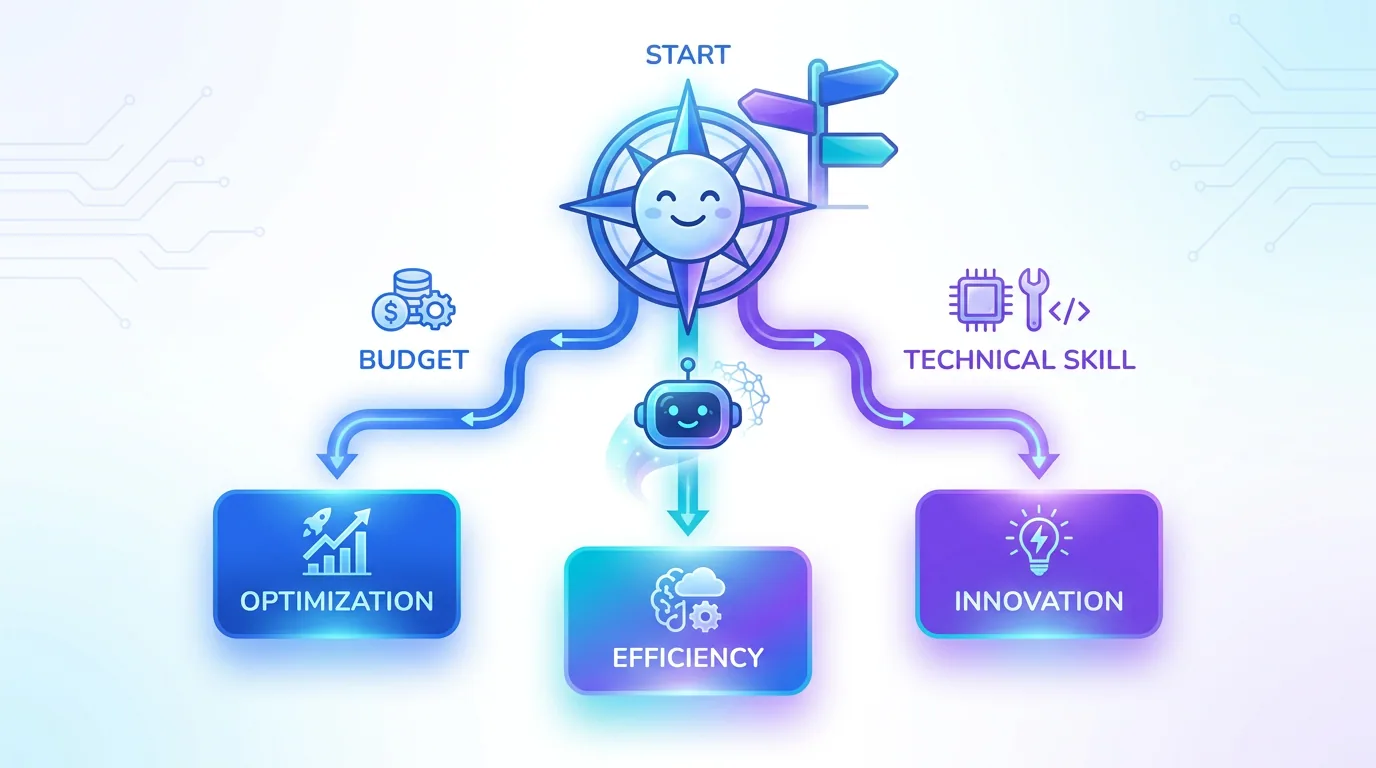
- Choose Zapier if you are non-technical, want results today, rely on niche apps, and your monthly task volume is moderate.
- Choose Make if you want serious branching, loops, and data handling on a budget, and you like a visual canvas.
- Choose n8n if you need self-hosting, data control, heavy volume, deep AI-agent workflows, or want to escape per-task billing.
- Choose a hybrid if different teams have different needs — pick the right tool per job rather than forcing one platform everywhere.
Whatever you choose, the platform is only half the battle. A poorly designed automation on the best tool will still create messy data and brittle failures. The value is in the workflow design — clear triggers, error handling, retries, and the right approval gates — which is precisely where our automation specialists spend their time.
Can you switch platforms later?
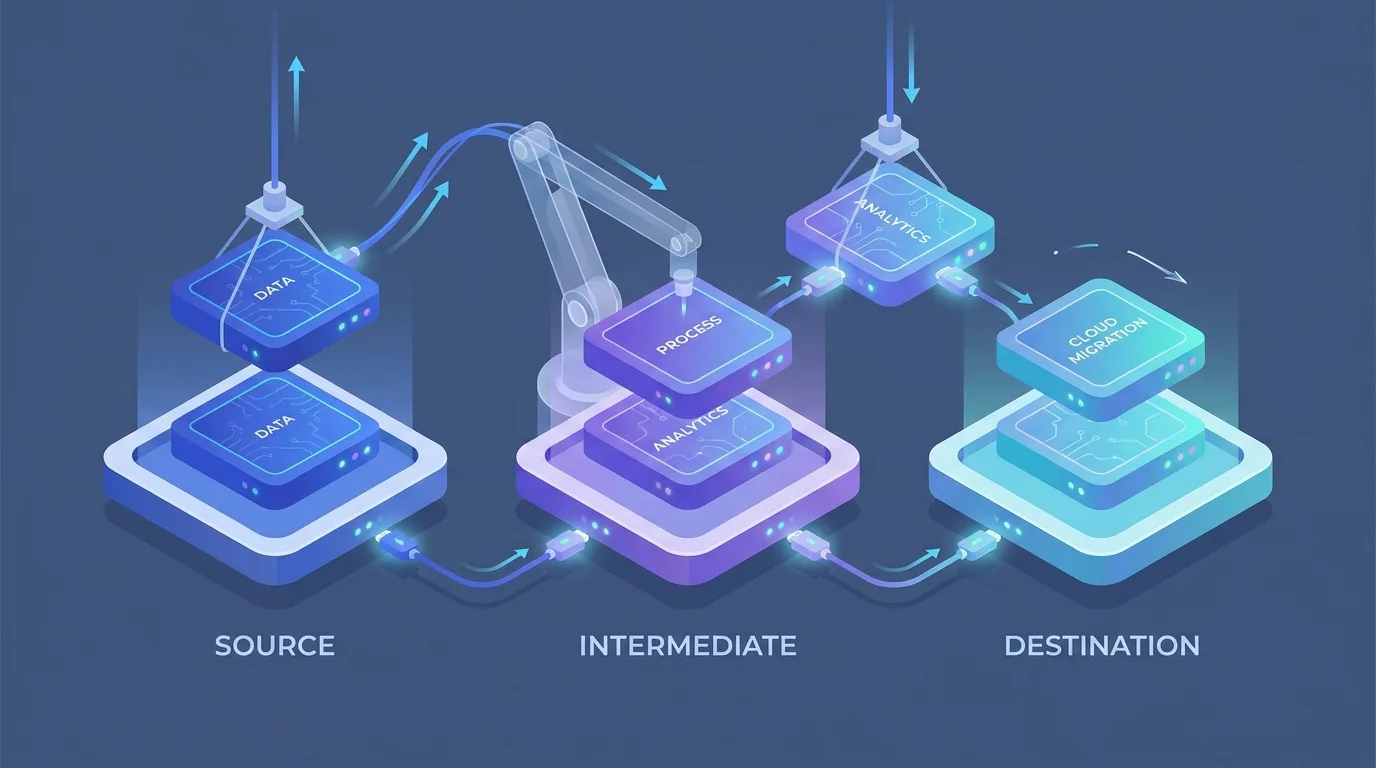
Yes, but plan for it. Migrating between platforms is rarely a one-click affair because each represents logic differently. The smart move is to keep your automations modular — small, single-purpose workflows are far easier to rebuild than one giant monolith. Document your triggers and data mappings as you go, and you keep your future options open.
A common and sensible path is to prototype on Zapier because it is so fast to validate an idea, then rebuild the proven, high-volume workflows on Make or n8n once the per-task costs start to bite. Treating your first version as a disposable experiment removes the fear of picking wrong, because the real commitment only comes after a workflow has earned it by saving you real time.
The bottom line on n8n vs Make vs Zapier
There is no single best automation platform — there is the best fit for your team in 2026. Pick Zapier for speed and reach, Make for visual power on a budget, and n8n for control, scale, and serious AI-agent work. Model your real volume, keep workflows modular, and design proper error handling and approval gates from day one. Do that and your automations will save hours every week instead of becoming yet another thing that breaks.
Not sure which platform fits your business — or want it built and maintained for you? Our team designs, builds, and runs automations on n8n, Make, and Zapier.
Plan Your AutomationFrequently asked questions
Is n8n better than Zapier in 2026?
It depends on your needs. n8n is better for technical teams that want self-hosting, data control, high volume, and deep AI-agent workflows because it bills per execution rather than per task. Zapier is better when you want the fastest setup, the widest app catalog, and a no-code experience for non-technical users.
Why is Make cheaper than Zapier?
Make bills per operation at a much lower rate than Zapier's per-task pricing, and its visual canvas lets a single scenario do more work. For complex, multi-step automations at moderate to high volume, Make typically costs significantly less than the equivalent Zapier setup.
Can n8n be self-hosted?
Yes. n8n is source-available and can be self-hosted on your own server or cloud infrastructure. Self-hosting gives you full data control and can make high-volume automation effectively flat-rate after your infrastructure costs, which is a major reason data-sensitive teams choose it.
Which platform is best for AI agents?
n8n leads for complex AI agents in 2026 with native agent nodes, MCP support, memory, and the option to run self-hosted models. Make is excellent for visual AI pipelines, and Zapier offers the most polished AI experience for non-technical users on its managed cloud.
What are the best Zapier alternatives?
The two strongest Zapier alternatives are Make and n8n. Make offers more visual power and lower per-operation pricing, while n8n offers self-hosting, per-execution billing, and the deepest AI-agent capabilities. Both are widely used by teams looking to reduce automation costs at scale.
Do I need to know how to code to use these platforms?
Not for Zapier or basic Make scenarios, which are genuinely no-code. n8n is more code-friendly and rewards comfort with JSON and the occasional JavaScript snippet, though many workflows can be built without writing any code at all.
Can I use more than one automation platform?
Yes, and many businesses do. A common pattern is using Zapier for a few quick internal triggers and n8n or Make for the heavy, AI-driven core. Keeping workflows modular makes a multi-platform setup easy to manage and to migrate later.
What is a human-in-the-loop approval gate?
It is a step in an automated workflow that pauses and waits for a person to approve before a sensitive action runs, such as sending an email or updating a record. Make and n8n give you the finest control over where these gates sit, which is essential for trustworthy AI-driven automation.
Ready to put this into action?
Fryntavo helps brands grow with web development, SEO, marketplace management, and AI automation. Book a free, no-obligation strategy call.
Book a Free Strategy Call