
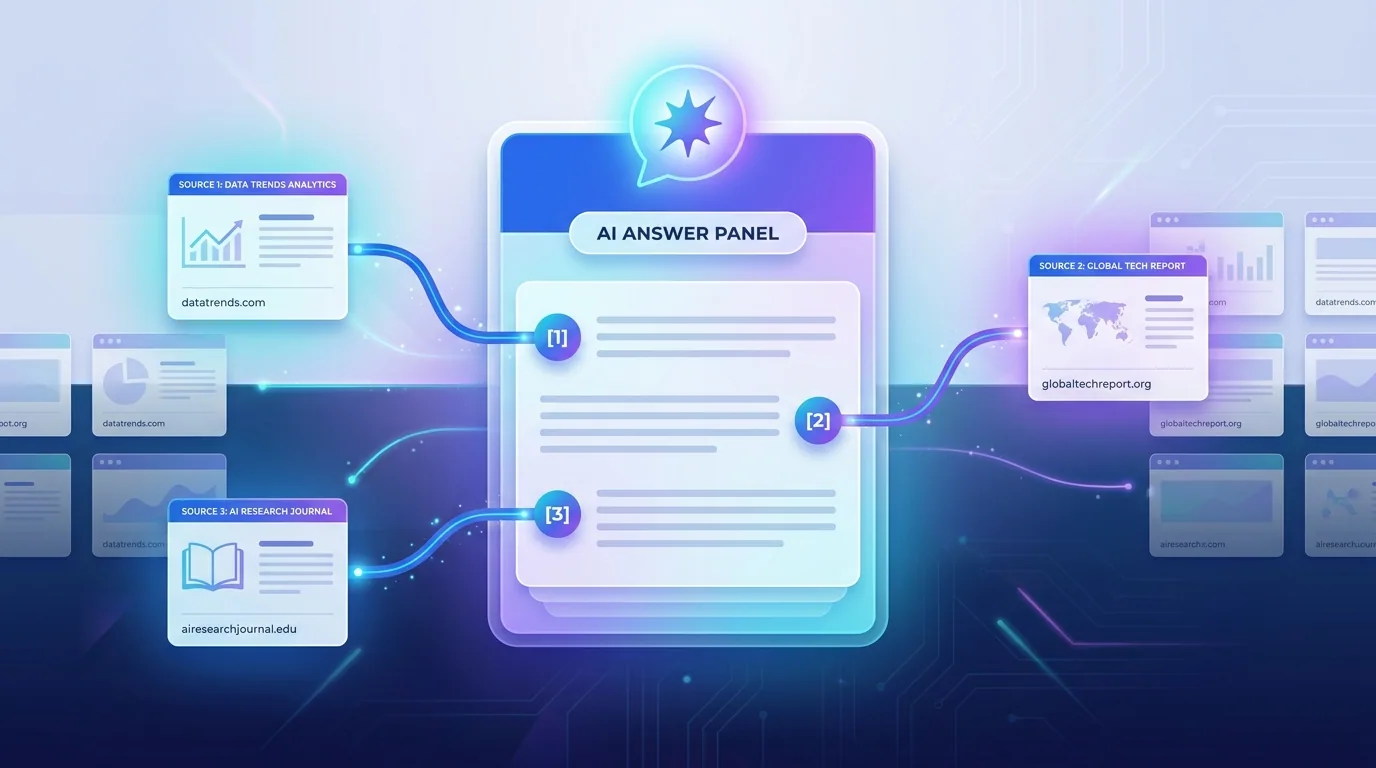
To rank on ChatGPT Search and Perplexity in 2026, you need to be the source the model cites — not the tenth blue link. That means publishing answer-first, well-structured content backed by clear expertise, making sure your pages are crawlable by AI bots, and earning a strong reputation across the open web. These answer engines do not show ten results; they synthesise a few trusted sources into one response with citations, and your goal is to be one of them.
This is the discipline people now call LLM SEO or answer engine optimization. It overlaps heavily with classic SEO, but the optimisation target has shifted from rankings to citations. Below, our SEO team breaks down how ChatGPT Search and Perplexity choose sources and the concrete steps that get your brand quoted.
How do ChatGPT Search and Perplexity choose sources?
Both engines work in a similar way: they interpret the user's question, retrieve relevant pages from a live web index, and generate a synthesised answer with inline citations to the pages they leaned on. Perplexity shows its sources prominently by design; ChatGPT Search surfaces linked citations alongside its answer. In both cases, being retrieved and being trusted are two separate hurdles you must clear.
Retrieval depends on whether your content is crawlable, relevant, and clearly matches the query's intent. Selection depends on whether your page reads as a credible, quotable, self-contained answer. Pages that combine both — easy to fetch and obviously authoritative — are the ones that show up again and again in AI answers.
How do you make your content easy for AI engines to retrieve?
If an AI crawler cannot fetch and parse your page, you cannot be cited — full stop. Start with the technical basics: a clean, crawlable site, fast rendering, and content that is present in the HTML rather than locked behind heavy client-side JavaScript. Answer engines reward pages they can read instantly.
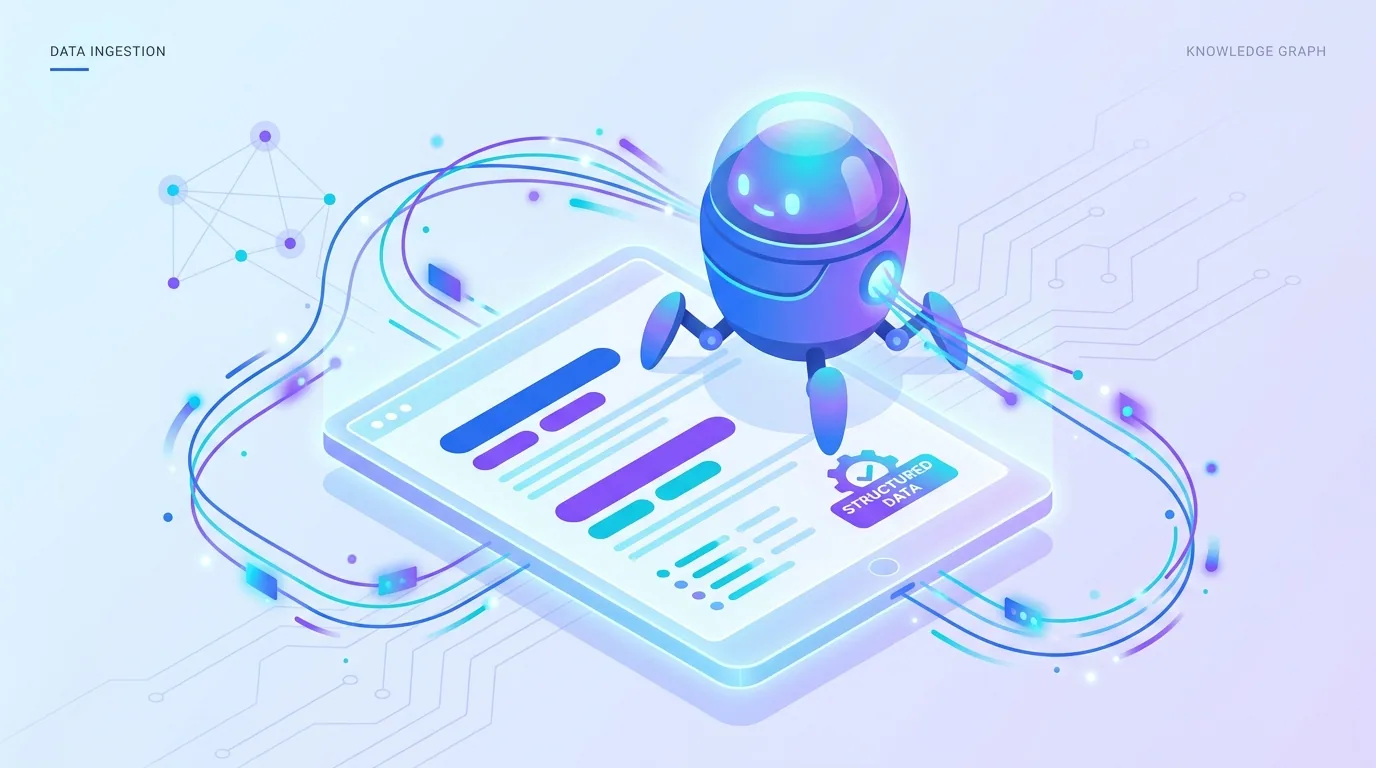
Check that you are not accidentally blocking AI user-agents in your robots.txt unless you intend to. Many brands quietly disallow the crawlers that feed answer engines and then wonder why they are invisible in AI search. Decide your policy deliberately, and keep your XML sitemap and internal linking healthy so new content is discovered fast.
Rendering speed matters more than people expect. Answer engines crawl at scale, and pages that load slowly or hide their content behind heavy scripts get fetched less often and parsed less completely. We build client sites on fast, modern web foundations precisely because performance is now a prerequisite for AI visibility, not a finishing touch — a page the crawler cannot read quickly is a page that never becomes a citation.
- Serve key content in server-rendered HTML, not JavaScript-only, so crawlers can read it.
- Keep pages fast — slow pages get fetched less often and less completely.
- Review robots.txt so you are not blocking AI crawlers by accident.
- Use clean headings, lists, and structured data to make the content machine-parseable.
How should you structure content to get cited?
The highest-impact change is answer-first writing. Lead each section with a direct, complete answer in the first two or three sentences, then expand with evidence and nuance. Models extract from the top and prefer self-contained passages, so write every section as a mini-answer that makes sense even if it is pulled in isolation.
Phrase your headings as the questions people actually ask, add concrete numbers and named tools, and include a focused FAQ section. Specifics get quoted; vague claims get ignored. The same structure that wins Google AI Overviews also wins ChatGPT Search and Perplexity, because they all reward clarity and extractability.
How does reputation across the web affect AI visibility?
Answer engines do not just read your page — they read your reputation. They factor in how often your brand is mentioned, linked, and discussed across the web, including on high-trust hubs and communities. A brand that is talked about by credible sources is far more likely to be selected as a citation than an unknown one.
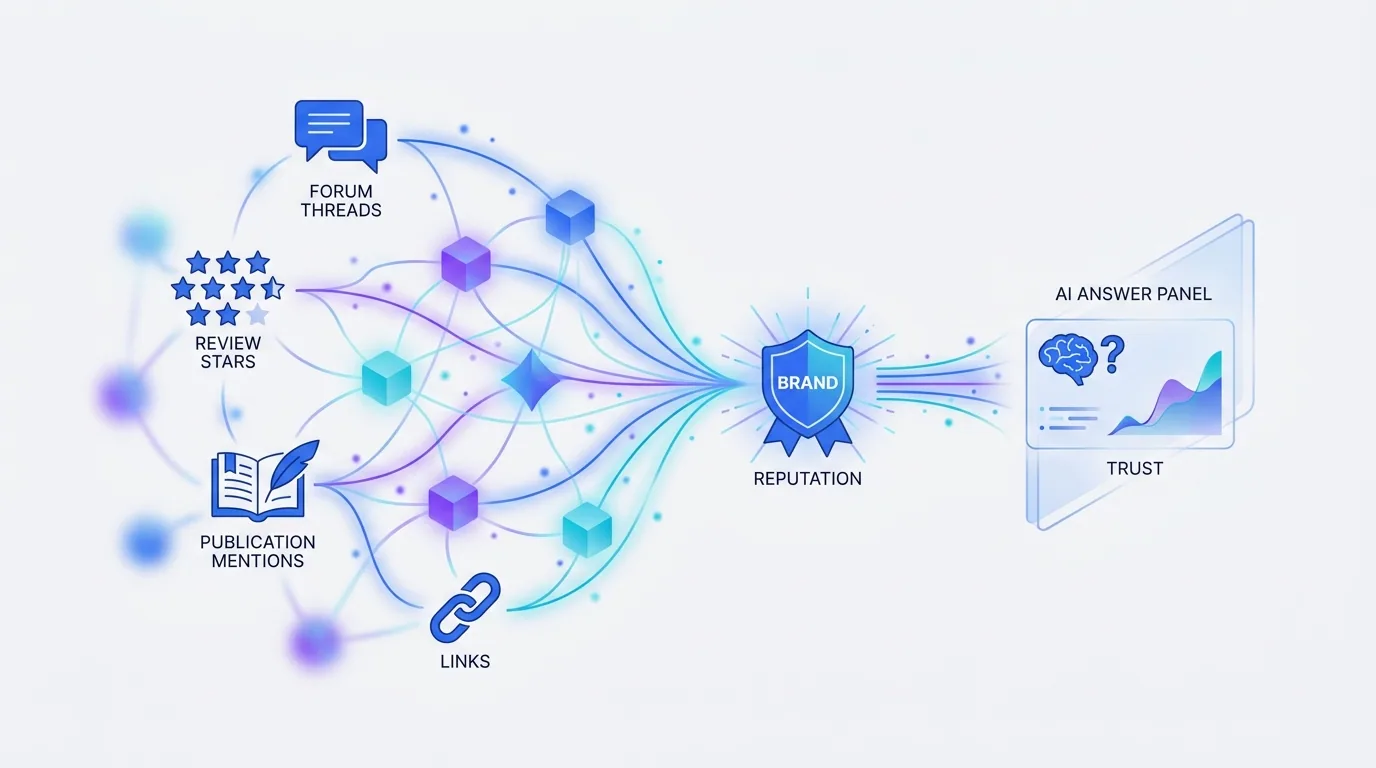
This is why digital PR, original research, expert contributions, and consistent presence in your niche pay off. Even unlinked mentions help, because language models build a sense of which brands are authoritative from the text of the entire web. Reputation is slow to build but it is the most durable advantage in AI search.
In AI search, you are not optimising a page — you are optimising what the entire web says about you.
— Fryntavo SEO playbook
How is ranking on Perplexity different from ChatGPT Search?
The fundamentals are the same, but the emphasis differs slightly. Perplexity is citation-forward and research-oriented, so it rewards pages that read like clean, factual references with clear sourcing. ChatGPT Search blends conversational answers with linked citations and is increasingly woven into a tool people use for everything from shopping to planning.
Practically, you do not need separate strategies for each. Build genuinely useful, well-structured, credible content and it will perform across all the major answer engines — including Google's AI Overviews. The brands that try to game one engine with thin tricks tend to lose ground everywhere as the models get smarter.
There is one practical difference worth planning around: how each engine handles freshness and depth. Perplexity tends to favour pages that read like authoritative, well-sourced references, so original data and clear citations help. ChatGPT Search rewards content that resolves the user's full intent conversationally, so anticipating follow-up questions within the same page pays off. Cover both — be a reference and be conversational — and you cover the entire AI-search surface without maintaining parallel content tracks.
How do you measure AI search visibility?
Traditional rank tracking does not capture AI search, so your measurement has to evolve. Track how often your brand is cited or mentioned in AI answers for your priority questions, monitor referral traffic from AI engines in your analytics, and watch branded search growth as a proxy for rising awareness.
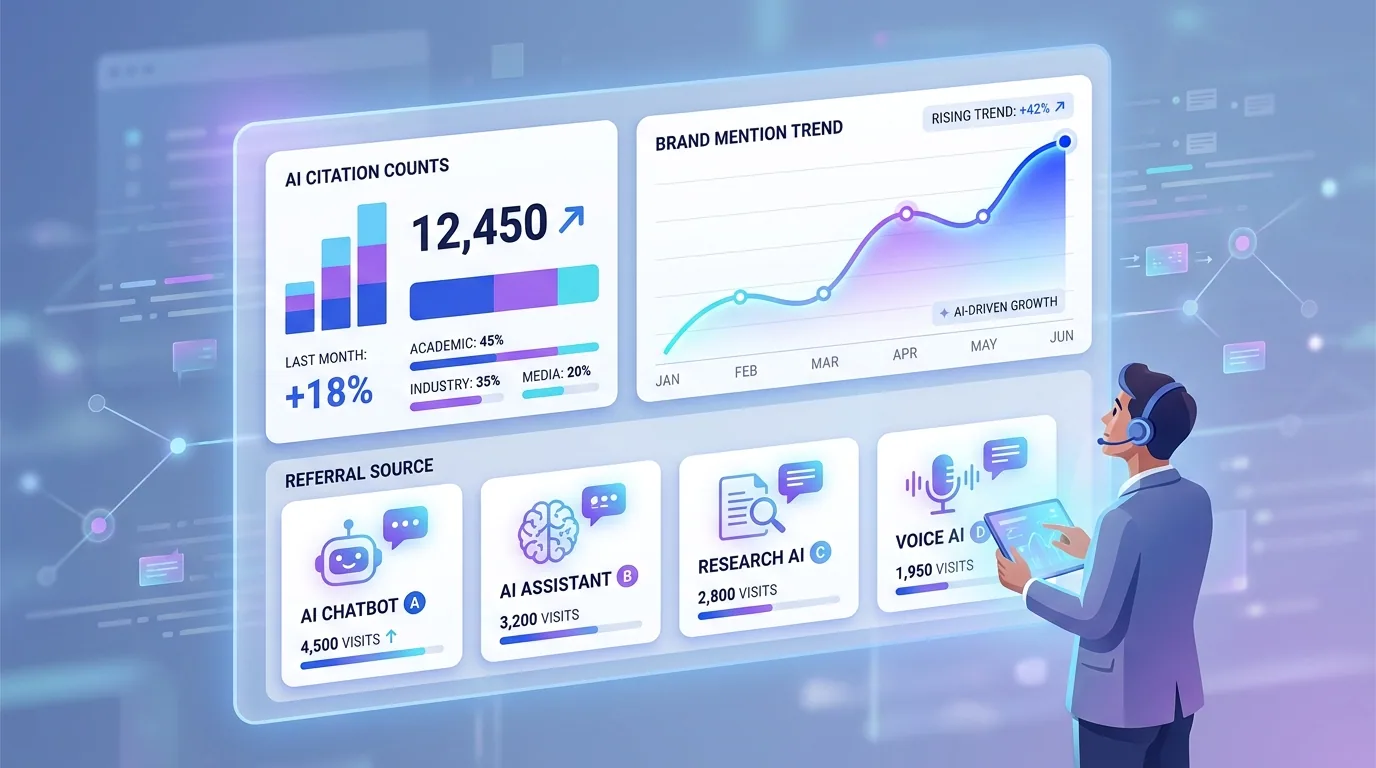
Set up a routine: pick your most important questions, ask each engine, and record whether you are cited and how you are described. Run this monthly. Over time you will see which content earns citations and which gaps your competitors are filling — and you can prioritise accordingly.
Putting your AI search plan together
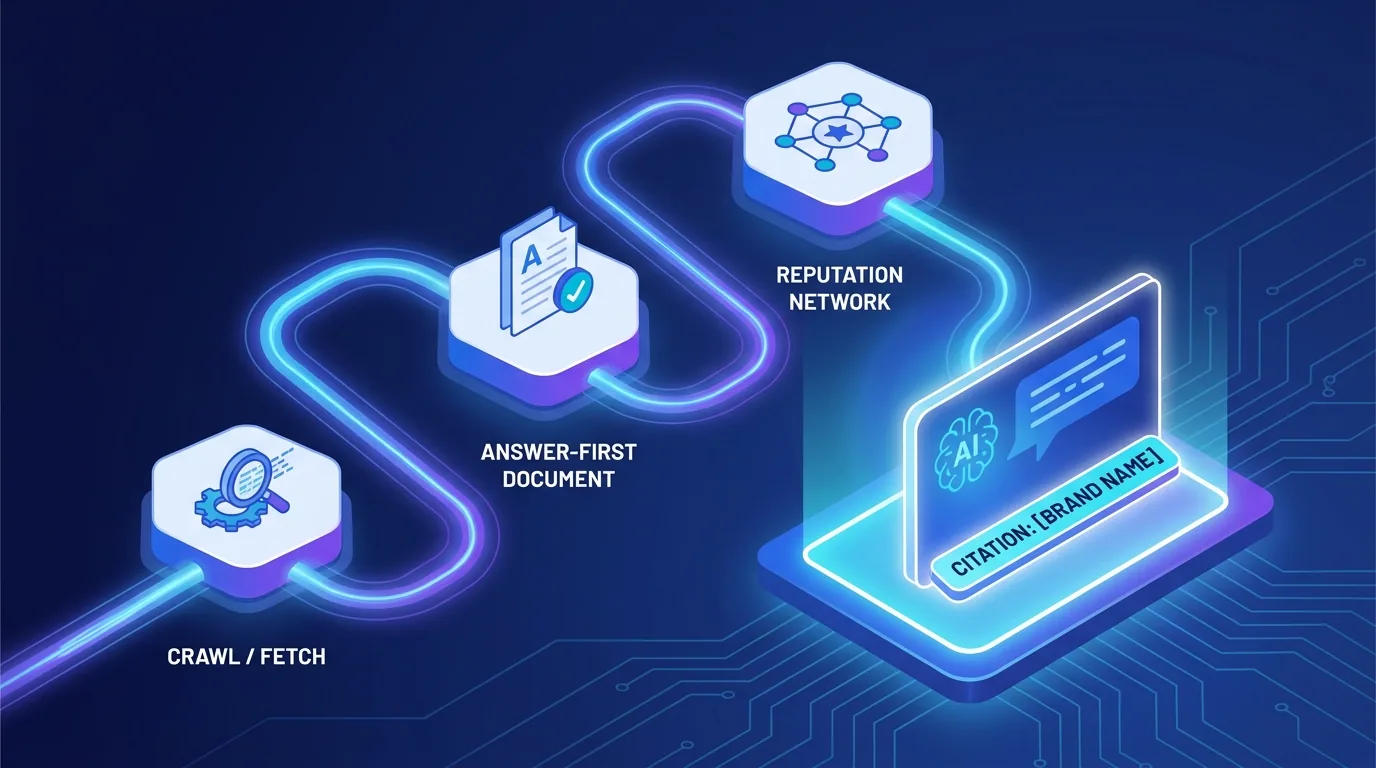
Ranking on ChatGPT Search and Perplexity is the reward for content that is easy to fetch, easy to quote, and clearly trustworthy. Make your site crawlable, write answer-first around real questions, prove your expertise, and build a reputation across the open web. Do that and you will be cited where your customers are now asking their questions — inside the AI answers themselves.
Want your brand cited by ChatGPT Search and Perplexity instead of left out? We will audit your AI search visibility and build a citation-winning plan.
Get a Free AI Search AuditFrequently asked questions
How do I rank on ChatGPT Search?
Make your content crawlable and fast, write answer-first passages that directly answer real questions, demonstrate clear expertise and authorship, and build a strong web reputation through mentions and links. ChatGPT Search synthesises trusted sources into one answer with citations, so your goal is to be one of those cited sources.
What is LLM SEO?
LLM SEO, also called answer engine optimization, is the practice of optimising content so large language model search engines like ChatGPT Search and Perplexity cite it in their answers. It overlaps with classic SEO but targets citations and brand mentions rather than blue-link rankings.
How does Perplexity decide which sources to cite?
Perplexity retrieves relevant pages from a live web index, then generates an answer with prominent citations to the sources it relied on. It favours pages that are crawlable, clearly relevant to the query, and read as credible, well-sourced references.
Do I need a separate strategy for each AI search engine?
No. The fundamentals are shared across ChatGPT Search, Perplexity, and Google AI Overviews: crawlable pages, answer-first structure, demonstrable expertise, and web reputation. Genuinely useful, well-structured content performs across all of them, so you optimise once and benefit everywhere.
Should I block AI crawlers in robots.txt?
Only if you have a deliberate reason to. Many brands accidentally block the AI user-agents that feed answer engines and then become invisible in AI search. Review your robots.txt and decide your crawler policy intentionally rather than by default.
How do I measure visibility in AI search?
Traditional rank tracking does not cover AI answers, so track how often your brand is cited or mentioned in AI responses for your priority questions, monitor referral traffic from AI engines in analytics, and watch branded search growth. Run a monthly check of your key questions to see if you are cited.
Does web reputation affect AI search rankings?
Yes. Answer engines weigh how often and how favourably your brand is mentioned and linked across the web, including unlinked mentions. A brand discussed by credible sources is far more likely to be selected as a citation than an unknown one.
Can Fryntavo help me get cited in AI search?
Yes. Fryntavo audits your crawlability, content structure, and web reputation, then builds an answer-engine optimization plan to win citations across ChatGPT Search, Perplexity, and Google AI Overviews. Book a free strategy call to begin.
Ready to put this into action?
Fryntavo helps brands grow with web development, SEO, marketplace management, and AI automation. Book a free, no-obligation strategy call.
Book a Free Strategy Call