

How much does a website cost in 2026? For most businesses, expect roughly $500–$3,000 for a simple template-based brochure site, $3,000–$15,000 for a professional custom business website, and $15,000–$75,000+ for a large ecommerce or fully custom platform. Where you land depends on complexity, design, content, and who builds it.
The honest truth is that 'a website' is not one product — it ranges from a single-page template you assemble yourself to a bespoke, high-performance platform engineered for conversion and scale. This guide gives you real 2026 ranges and, more importantly, explains what actually drives the price so you can budget confidently and avoid both overpaying and under-building.
How much does a website cost by type in 2026?
The clearest way to think about website cost is by category, because each serves a different goal and demands a different level of effort. Here is what the main tiers typically cost when built to a professional standard in 2026.
- Template / DIY site ($500–$3,000): a small business presence built on a builder or theme, light customisation, a handful of pages.
- Custom business site ($3,000–$15,000): tailored design, custom layouts, copy support, SEO foundations, and integrations like booking or CRM.
- Ecommerce site ($8,000–$40,000+): product catalogues, payments, inventory, and conversion-focused UX.
- Custom platform / web app ($25,000–$75,000+): bespoke functionality, user accounts, dashboards, and complex integrations.
These ranges assume quality work — strong design, fast performance, and solid SEO. You can find cheaper, but the savings often reappear later as a slow, hard-to-edit site that needs rebuilding within a year or two.
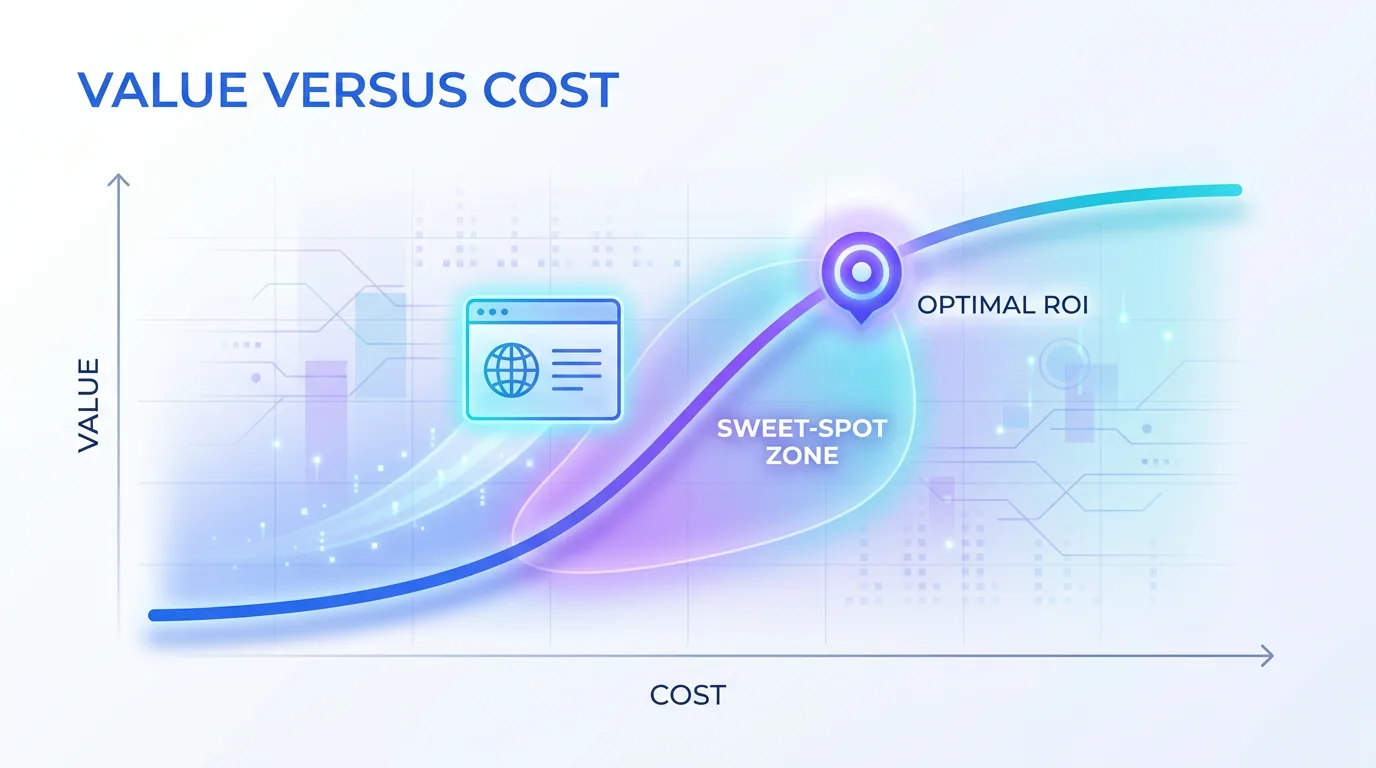
It also helps to separate the one-time build cost from the value the site is meant to create. A $1,000 template that generates a handful of leads can be a great investment for a local trade business, while a $30,000 platform that drives six figures in online sales is a bargain for an ambitious retailer. The right number is the one that matches your goals, not the lowest quote you can find.
What actually drives website cost?
Two sites with the same page count can differ in price by 10x because cost is driven by complexity and craft, not just size. Understanding the levers helps you decide where to invest and where to economise.
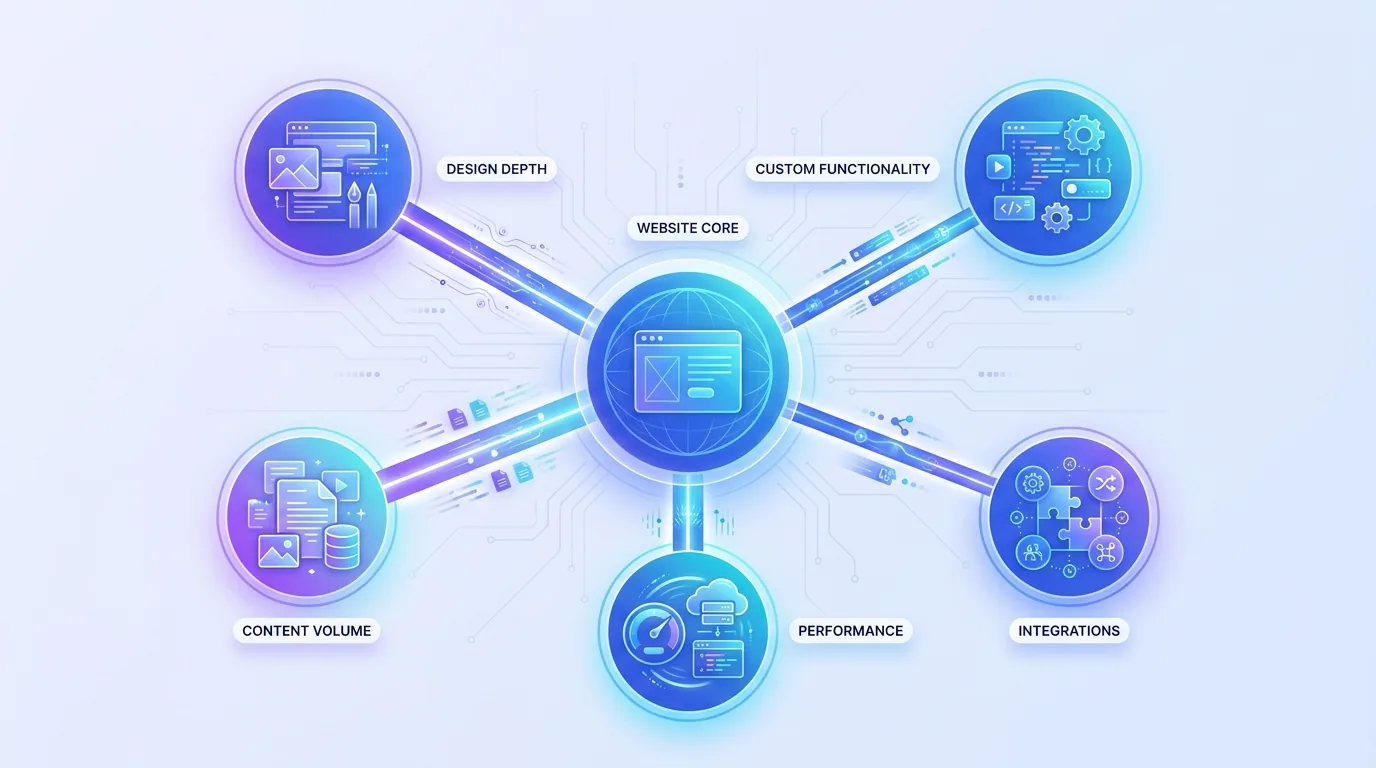
- Design depth: a custom-designed, on-brand interface costs more than a lightly edited template.
- Functionality: bookings, memberships, payments, search, and custom logic each add engineering time.
- Content: copywriting, photography, and product data are real costs often left out of quotes.
- Integrations: CRM, ERP, email, analytics, and third-party APIs add complexity.
- Performance & SEO: building for fast Core Web Vitals and search visibility takes deliberate engineering.
Should you choose a template, freelancer, or agency?
Who builds your site changes both the price and the outcome. Each route has a sweet spot, and the cheapest option is rarely the cheapest over the site's lifetime.
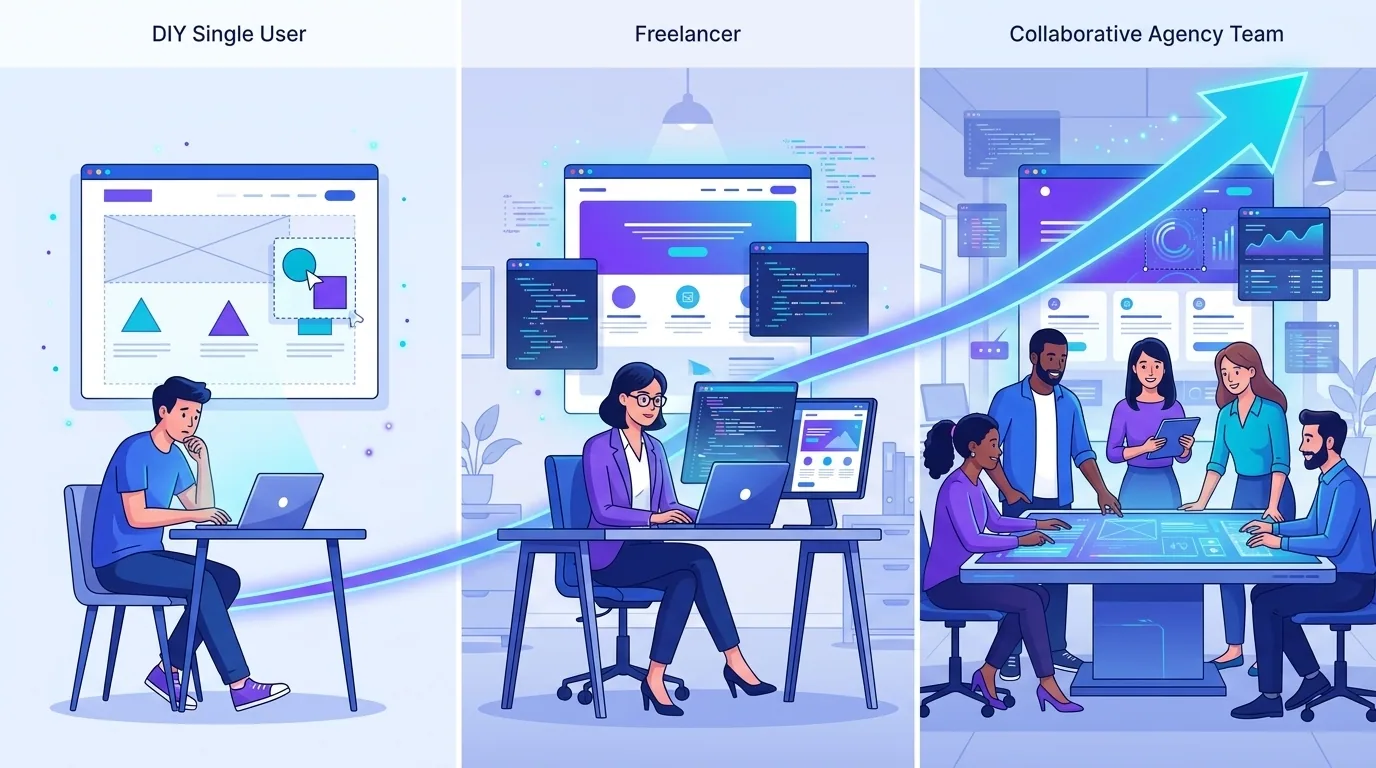
- DIY builder: cheapest upfront and fine for a basic presence, but limited in design, performance, and scalability.
- Freelancer: good value for focused projects, though capacity, reliability, and breadth of skills vary.
- Agency: highest cost but delivers strategy, design, engineering, content, and ongoing support as one team.
If your website is a core sales channel, an experienced team usually pays for itself in conversion and reliability. Our web development service scopes each project transparently so you know exactly what you are paying for and why.
Be cautious with quotes that seem implausibly low. A $300 'custom' site is almost always a lightly skinned template with thin content, no performance work, and no real SEO foundation — and it frequently needs replacing once the business grows. The cheapest build often becomes the most expensive once you count the rebuild. If you want a sense of where your project realistically lands, the fastest path is to tell us your goals and get a scoped estimate rather than guessing from a price list.
What ongoing costs should you budget for?
The build is only part of the picture. A website is a living asset that needs hosting, maintenance, and improvement to keep performing. Skipping these costs is the fastest way to end up with a slow, insecure, outdated site.
- Domain: roughly $10–$20 per year.
- Hosting: $5–$50 per month for most business sites; more for high-traffic or custom platforms.
- Maintenance & security: updates, backups, and monitoring, often $50–$500 per month depending on complexity.
- Improvements & content: ongoing SEO, new pages, and conversion optimisation to grow results over time.
A website is not a one-time purchase like a logo. It is an asset you invest in over time — the businesses that treat it that way compound results year after year.
— Aiden Brooks, Lead Web Engineer, Fryntavo
These recurring numbers look small next to the build, but neglecting them is expensive in a different currency. An unmaintained site drifts out of date, accumulates security risk, and slowly loses the performance and rankings you paid to win. Budgeting a modest amount each month to keep the asset healthy protects the much larger sum you invested upfront.
How do you get the best value for your budget?
Value is not the lowest price — it is the best return on what you spend. The smartest approach is to define your primary goal first (leads, sales, credibility), then invest where it moves that goal and economise everywhere else. A focused, fast, conversion-ready site beats a sprawling, slow one every time.
- Define one primary goal for the site before requesting quotes.
- Insist on fast performance and SEO foundations — they protect long-term ROI.
- Choose a platform you can update easily so small changes do not require a developer every time.
- Phase the build: launch a strong core, then add features as the site earns its keep.
The bottom line on website cost in 2026
So, how much does a website cost in 2026? Anywhere from a few hundred dollars for a simple template to tens of thousands for a custom platform — but the figure that matters is value, not just price. Match the investment to your goals, build for speed and search, and treat the site as an asset you grow.

If you want a precise figure for your project, the only way to get one is a proper scope. Beware of anyone who quotes a fixed price before understanding your goals, content, and required features — a real estimate comes from real requirements, not a sales menu. Tell us your goals and we will give you transparent pricing with no surprises, so your budget buys results, not regret.
Want a clear, no-surprises quote for your website? Tell us your goals and we will scope it transparently with real pricing.
Get a Free Website QuoteFrequently asked questions
How much does a website cost in 2026?
In 2026, a simple template-based brochure site typically costs $500–$3,000, a custom business website runs $3,000–$15,000, and a large ecommerce site or custom platform can range from $15,000 to $75,000 or more. The exact figure depends on design depth, functionality, content, and who builds it.
Why do website prices vary so much?
Price is driven by complexity and craft rather than page count. Custom design, advanced functionality like bookings or payments, content creation, third-party integrations, and engineering for performance and SEO all add cost, which is why two similar-looking sites can differ in price by ten times.
Is it cheaper to use a website builder or hire an agency?
A DIY builder is cheapest upfront and fine for a basic presence, while an agency costs more but delivers strategy, custom design, engineering, content, and support. If your website is a core sales channel, an experienced team usually pays for itself through better conversion and reliability.
How much does an ecommerce website cost?
A professional ecommerce website typically costs between $8,000 and $40,000 or more, depending on the size of the catalogue, payment and inventory needs, custom features, and conversion-focused design. Larger custom platforms with complex integrations cost more.
What are the ongoing costs of a website?
Beyond the build, budget for a domain (about $10–$20 per year), hosting ($5–$50 per month for most sites), and maintenance and security ($50–$500 per month depending on complexity). Many businesses also invest in ongoing SEO and content to keep growing results.
Can I build a good website on a small budget?
Yes, if you focus. Define one primary goal, insist on fast performance and SEO foundations, choose an easy-to-update platform, and phase the build so you launch a strong core first and add features as the site earns its keep. A focused, fast site beats a sprawling, slow one.
How long does it take to build a website?
A simple site can take one to three weeks, a custom business website typically takes four to ten weeks, and a complex ecommerce site or custom platform can take several months. Timelines depend on scope, content readiness, and the number of revision rounds.
Can Fryntavo give me an exact website price?
Yes. Fryntavo scopes each project transparently based on your goals and requirements, then provides clear pricing with no surprises. Share your goals through our contact page for a free, tailored website quote.
Ready to put this into action?
Fryntavo helps brands grow with web development, SEO, marketplace management, and AI automation. Book a free, no-obligation strategy call.
Book a Free Strategy Call