
AI customer service in 2026 is fundamentally different from the deflection bots of a few years ago. Today's AI does not just answer questions — it resolves issues end to end, understands context across channels, and predicts problems before customers even reach out. The result is faster resolutions, lower costs, and, when done right, happier customers, not frustrated ones.
The shift matters because customer expectations have outrun traditional support. People want instant, accurate, 24/7 help in their own words. This guide explains exactly how AI in customer service is evolving, where it adds real value, and how to deploy it without the robotic experience everyone dreads — the same approach we take when building AI agents for support teams.
What does AI customer service actually do in 2026?
Modern AI customer service combines large language models with secure tool access, so it can both understand a request and act on it. Instead of reading a script, an AI agent can look up the order, check the shipping status, process the exchange, and confirm the outcome — all in one conversation. The conversation is the interface; the resolution happens behind it.
This is the leap from the old chatbot era. Earlier bots mostly routed people to articles or to a human. Today's systems use real-time data and connected tools to close the loop themselves, which is why resolution rate — not just deflection rate — has become the metric that matters.
From deflection to resolution
The biggest change is the goal itself. Old support automation was measured by how many tickets it kept away from agents. Modern AI customer service is measured by how many issues it fully solves. That difference reshapes the entire experience — the AI is no longer a gatekeeper, it is a problem-solver.
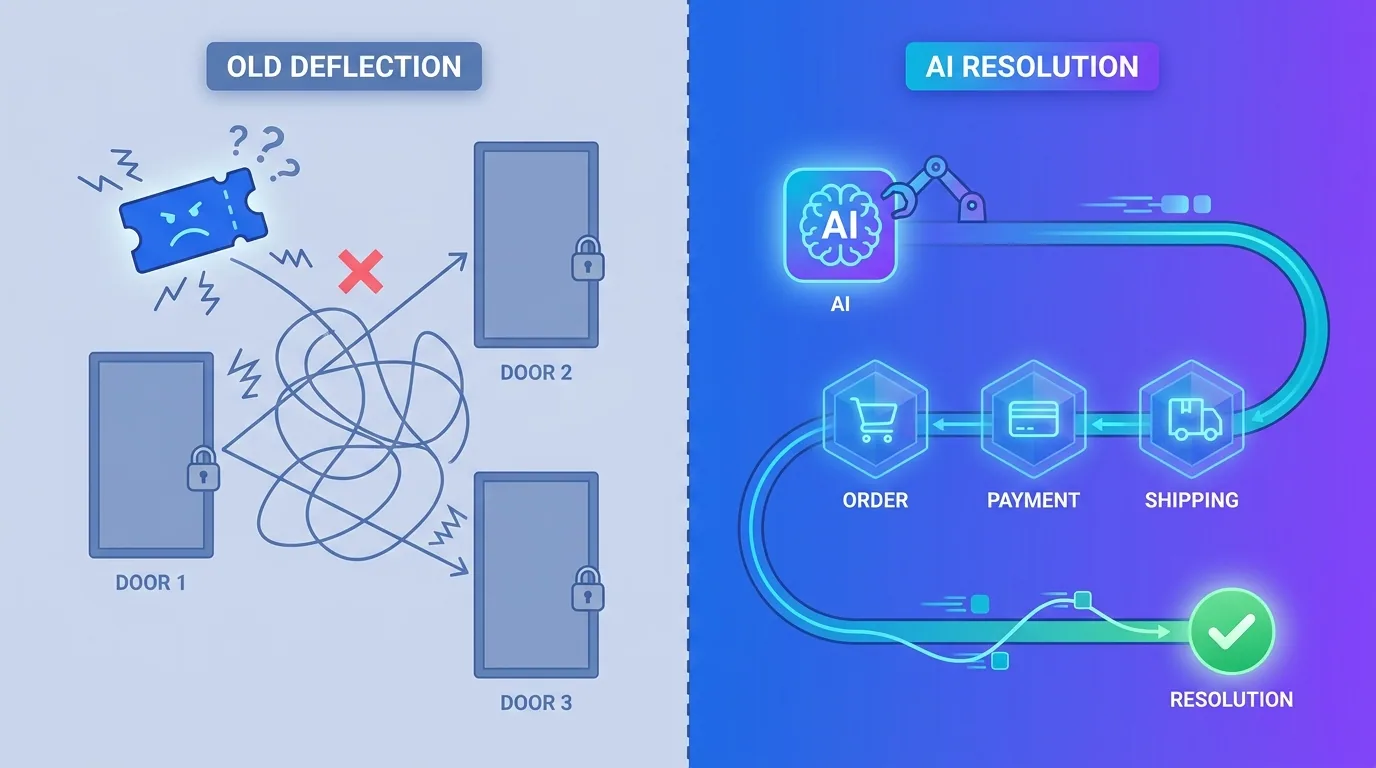
Because these agents are connected to your real systems, they can handle the long tail of routine work — refunds, address changes, subscription pauses, order tracking — instantly and accurately. Your human team is freed from the repetitive queue and can concentrate on the complex, emotional, or high-value conversations where human judgment genuinely wins.
This connection is what separates real AI customer service from a scripted bot. The model does not pretend to know your data — it actually looks it up at the moment of the conversation, reads the live order record, and acts on what it finds. That grounding is also why hallucination stops being a problem: when every answer is pulled from a verified system rather than the model's memory, there is nothing to invent. The customer gets the truth, fast, and the resolution is recorded automatically for your team to see.
Omnichannel and always-on, in the customer's own words
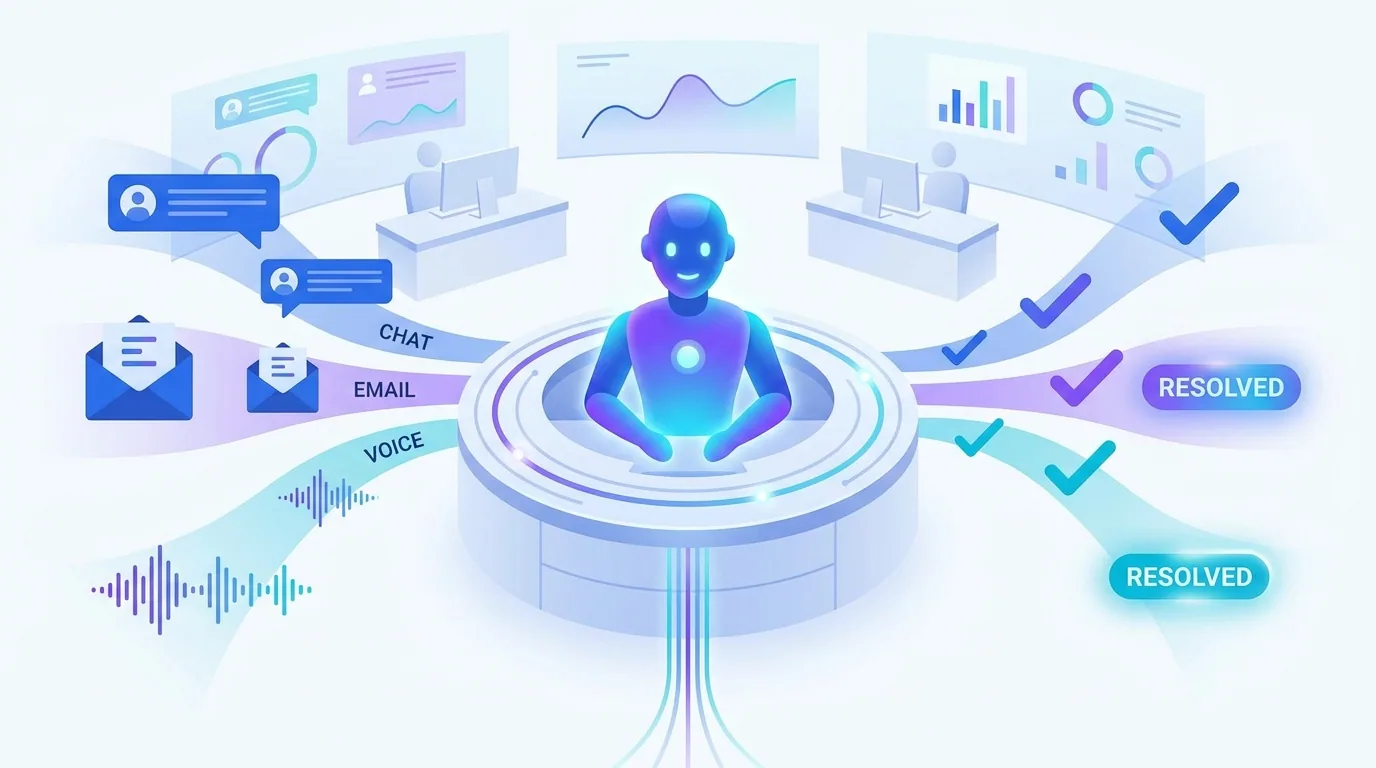
AI customer service now works seamlessly across chat, email, social messaging, and increasingly voice. The same understanding follows the customer from one channel to another, so they never have to repeat themselves. Language is no barrier either — modern models handle dozens of languages natively, which makes consistent global support realistic for teams of any size.
Crucially, customers can speak naturally. They do not need to know your menu structure or the magic words. "My package never came and I want my money back" gets the same competent handling as a perfectly phrased request, because the AI parses intent rather than matching keywords.
Predictive and proactive support
The most advanced shift in 2026 is proactive service. By watching signals — a delayed shipment, a failed payment, a usage drop — AI can reach out before the customer notices a problem, often with the fix already in motion. Support stops being purely reactive and starts preventing tickets from ever being created.
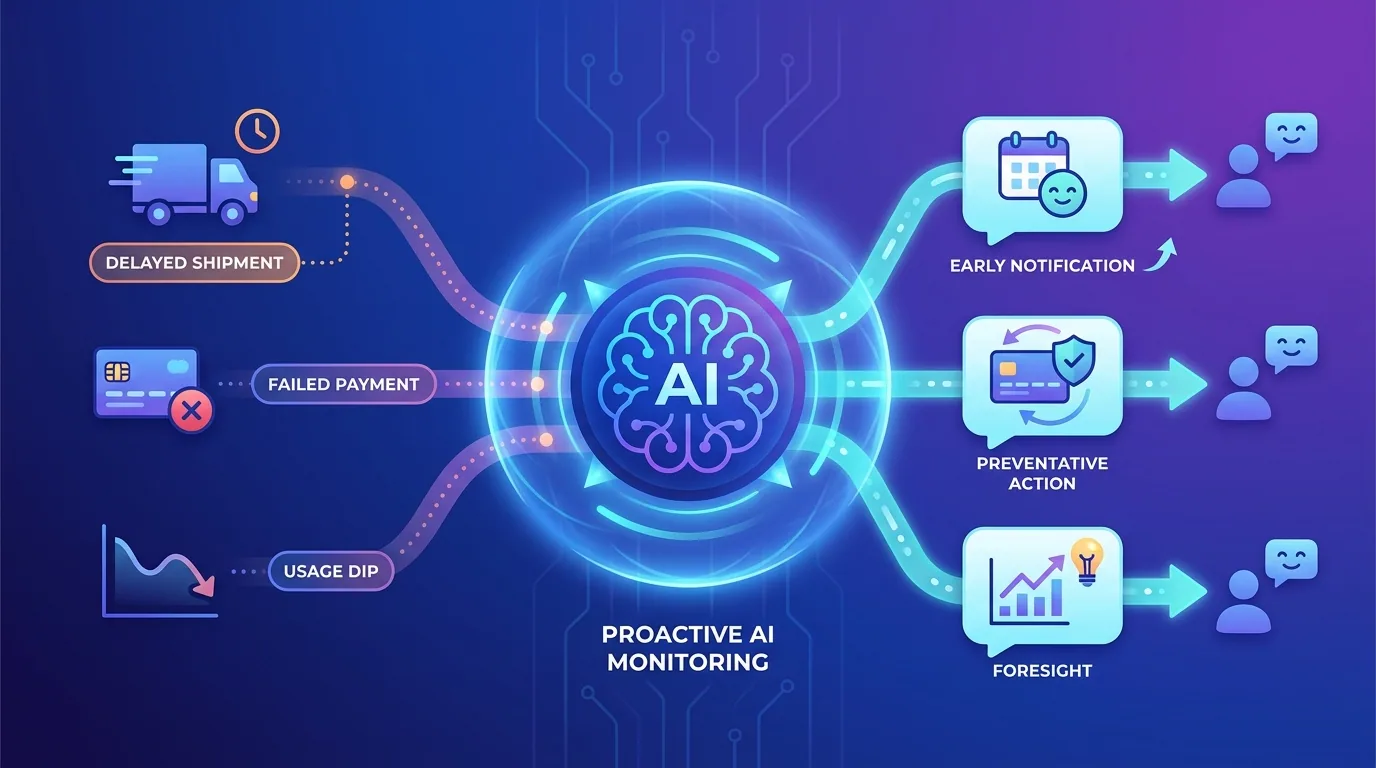
Behind the scenes, AI also supercharges your human agents. It drafts replies, summarises long ticket histories in a sentence, surfaces the right knowledge instantly, and analyses sentiment in real time. This agent-assist layer is quietly one of the highest-ROI uses of AI in customer service, because it speeds up every interaction a human still handles.
How to deploy AI customer service without the robotic experience
The difference between AI customers love and AI they hate comes down to design. The failures are almost always the same: bots that loop, refuse to escalate, or confidently invent answers. Avoiding that is mostly about discipline, not magic.
- Ground every answer in your real data — connect the AI to up-to-date policies, orders, and accounts so it never guesses.
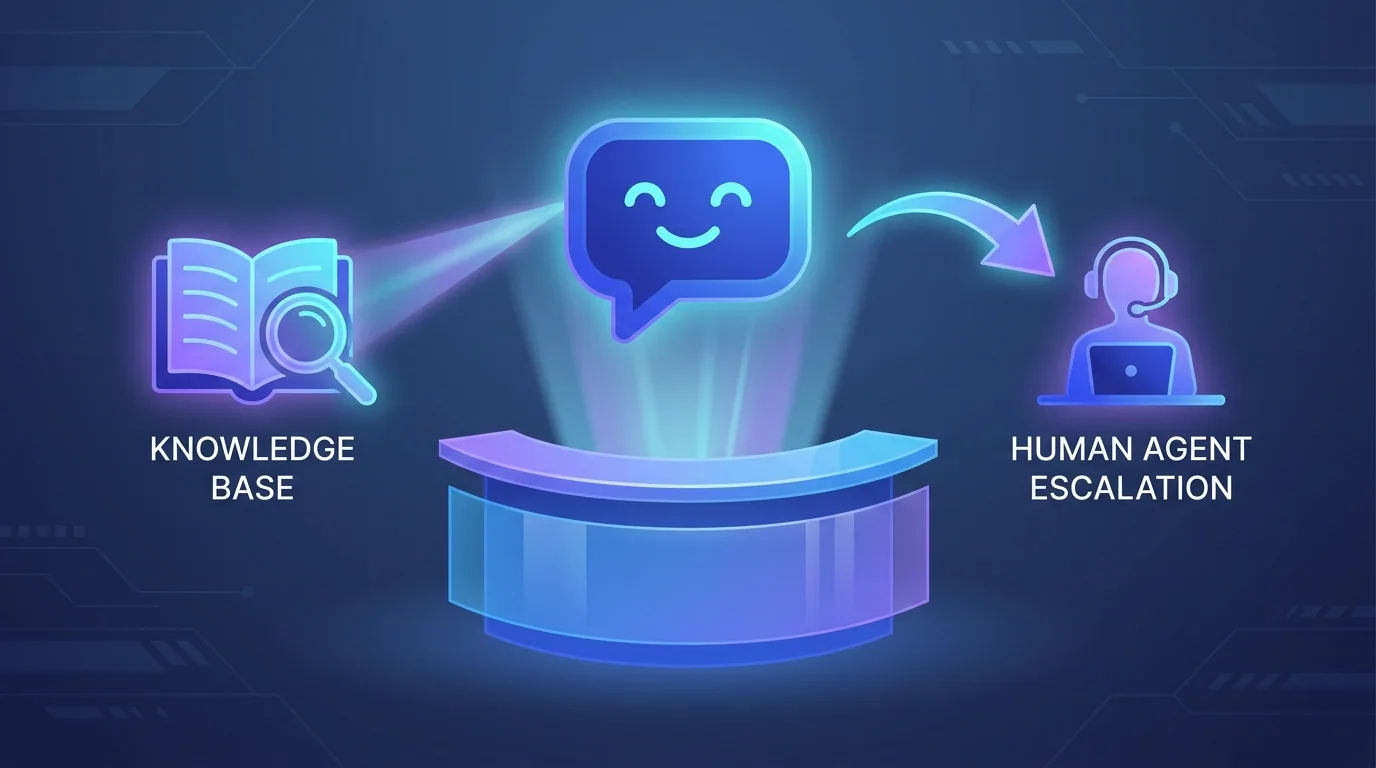
- Make human handoff effortless — when confidence is low or emotion is high, escalate instantly with full context attached.
- Be transparent — tell customers they are talking to AI; honesty builds more trust than a fake human persona.
- Measure resolution and satisfaction, not just deflection, and review failed conversations weekly to close gaps.
- Add guardrails on actions — require approval for refunds above a threshold and log every action the agent takes.
We typically connect these support agents to the rest of a client's stack using automated AI workflows, so a resolved conversation also updates the CRM, triggers a follow-up, or flags a recurring issue for the product team. The conversation becomes data, and the data drives improvement.
Customers do not care whether they are talking to a human or an AI. They care whether their problem got solved, quickly, the first time.
— Priya Nair, AI Solutions Architect, Fryntavo
What this means for your team and your costs
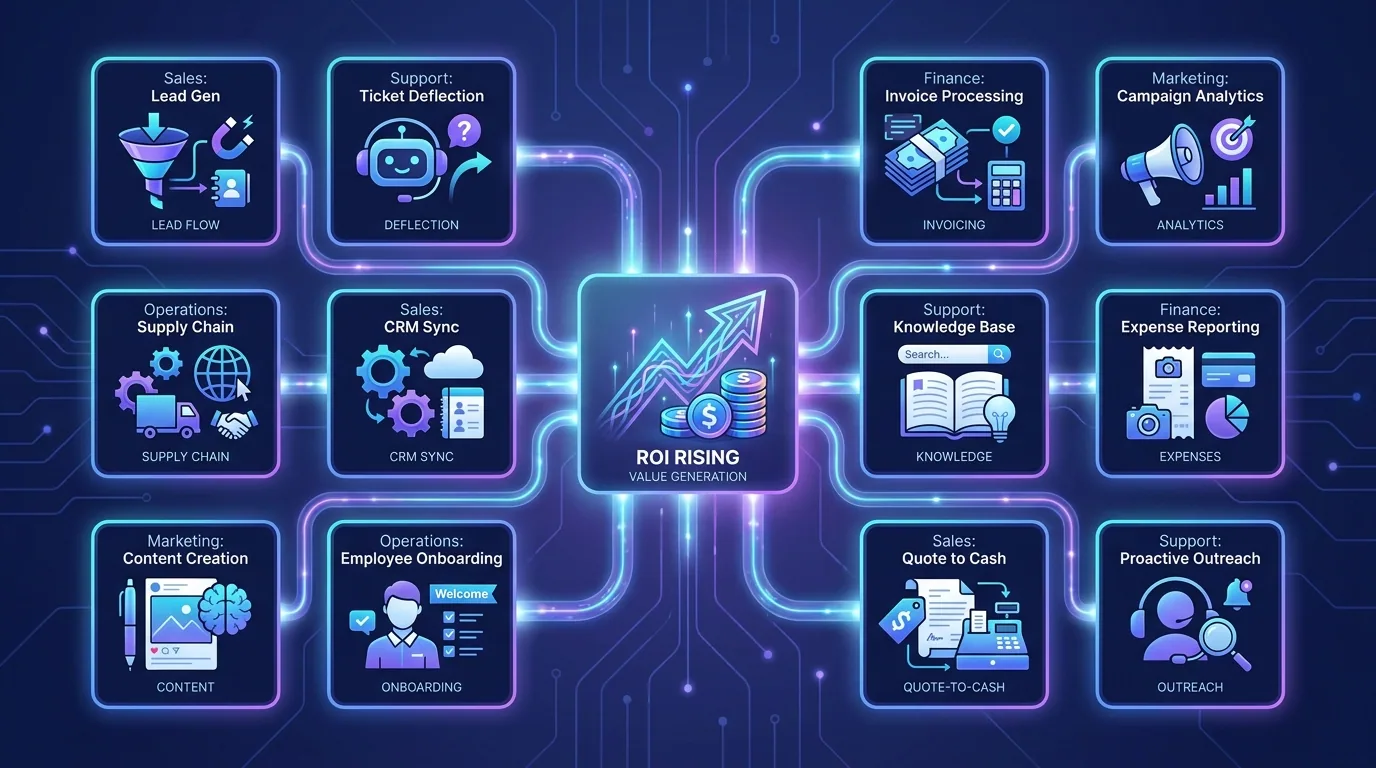
The economics are compelling. AI absorbs the high-volume, low-complexity work that drives burnout and overtime, which lowers cost per contact and shortens queues. But the strategic win is bigger than cost: when routine tickets disappear, your specialists handle the moments that build loyalty, and your support data becomes a continuous stream of product and marketing insight.
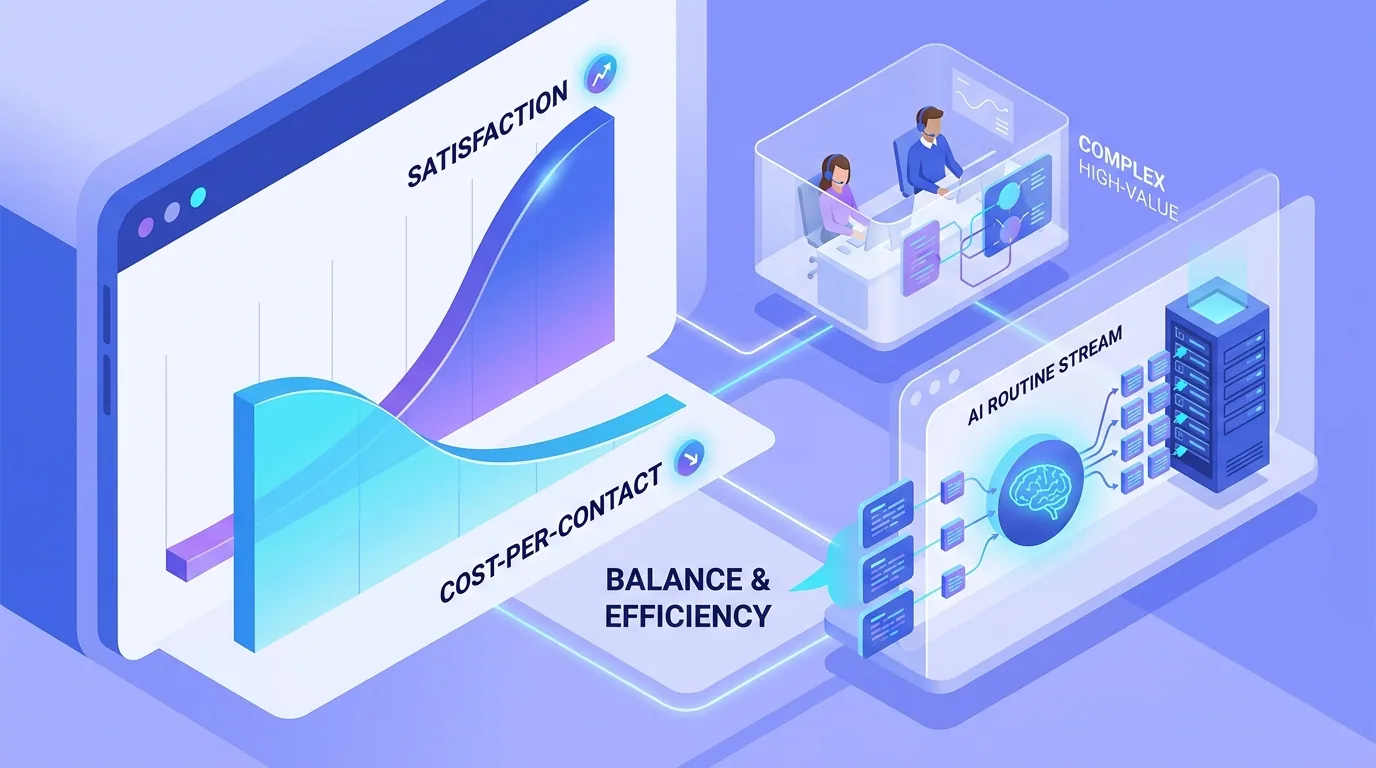
The teams getting this right in 2026 treat AI as a teammate, not a wall. They start with a few well-scoped, high-volume use cases, prove the resolution quality, then expand. That measured approach is what turns AI customer service from a cost-cutting gamble into a genuine experience advantage.
The future of customer experience is hybrid
The endgame is not fully automated support or fully human support — it is a hybrid model where AI handles scale and speed while people handle nuance and relationships. AI resolves the routine instantly, assists humans on everything else, and quietly surfaces the patterns that make the whole operation smarter over time.
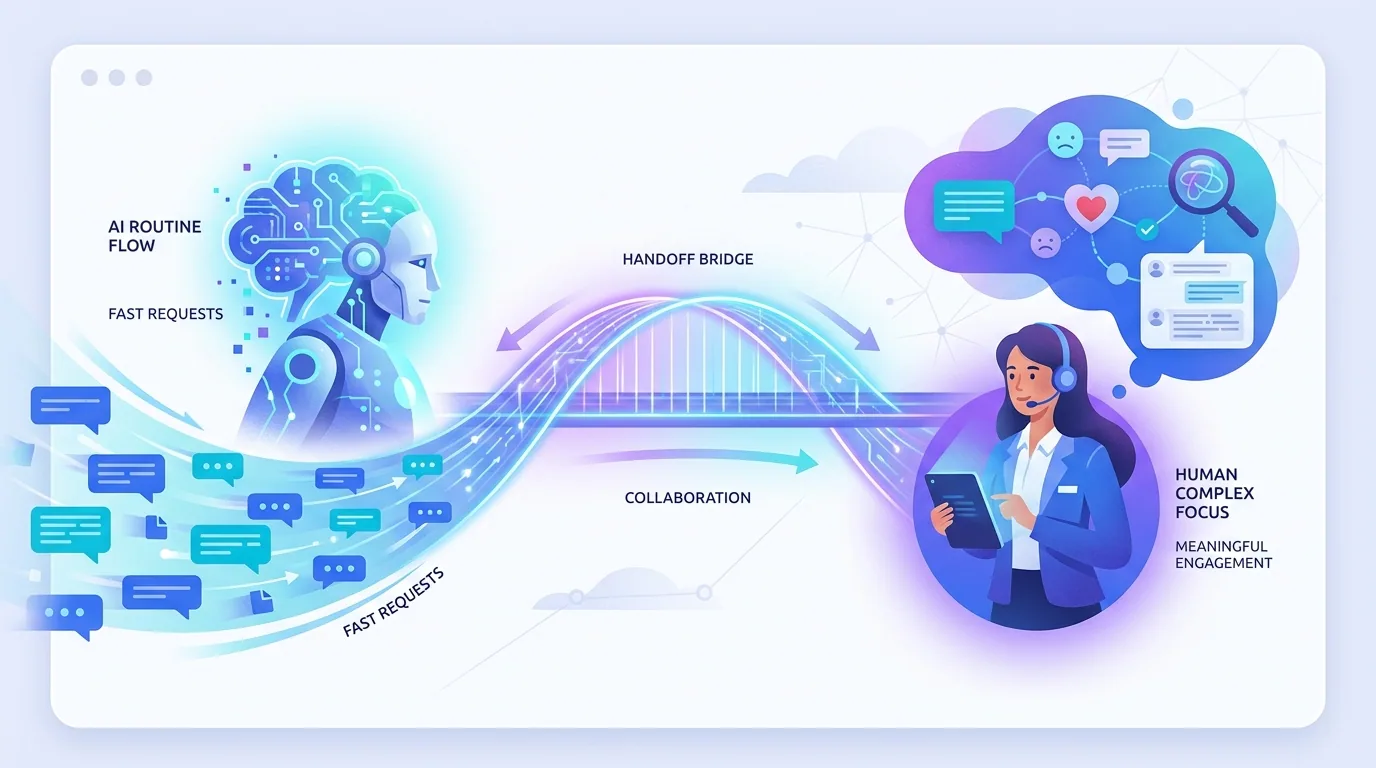
AI is changing customer service from a cost centre that apologises into a growth engine that delivers. The brands that win in 2026 are not the ones that automate the most — they are the ones that automate the right things, keep humans in the loop where it counts, and obsess over whether the customer's problem actually got solved.
Ready to cut response times and resolve more tickets automatically without losing the human touch? Let us design an AI customer service setup around your real workflows.
Book a Free AI Strategy CallFrequently asked questions
How is AI changing customer service in 2026?
AI has shifted from deflecting tickets to resolving them end to end, working across chat, email, and voice, and even reaching out proactively before problems escalate. It also assists human agents by drafting replies and summarising histories, so support is faster and more accurate.
Will AI replace customer service jobs?
AI mainly replaces repetitive, high-volume tasks rather than entire roles. It frees human agents to handle complex, emotional, and high-value conversations, and most successful teams use a hybrid model where AI and humans work together.
What is the difference between AI customer service and a chatbot?
Older chatbots mostly routed people to articles or to a human, while modern AI customer service connects to real systems and resolves issues directly, such as processing refunds or updating orders. The focus has moved from deflection to actual resolution.
How do I stop AI support from feeling robotic?
Ground every answer in your real, up-to-date data, make human handoff effortless when confidence is low or emotion is high, be transparent that customers are talking to AI, and review failed conversations regularly. Good design, not a fake human persona, is what builds trust.
Can AI handle customer service in multiple languages?
Yes. Modern AI models handle dozens of languages natively, so a single setup can deliver consistent support across global markets without separate teams for each language. The customer can speak in their own words and still get accurate help.
What is proactive AI customer service?
Proactive service uses signals like delayed shipments or failed payments to reach out to customers before they notice a problem, often with a fix already in motion. This prevents tickets from being created and turns support from reactive into preventive.
How much can AI reduce customer service costs?
By resolving a large share of routine tickets automatically, AI lowers cost per contact and shortens queues, while shifting human time to high-value work. The exact savings depend on ticket mix, but the bigger payoff is improved experience and richer support data.
Can Fryntavo set up AI customer service for my business?
Yes. Fryntavo builds AI agents and automated workflows that connect to your real systems to resolve tickets safely, with human handoff and action guardrails built in. Book a free strategy call and we will design a setup around your workflows.
Ready to put this into action?
Fryntavo helps brands grow with web development, SEO, marketplace management, and AI automation. Book a free, no-obligation strategy call.
Book a Free Strategy Call