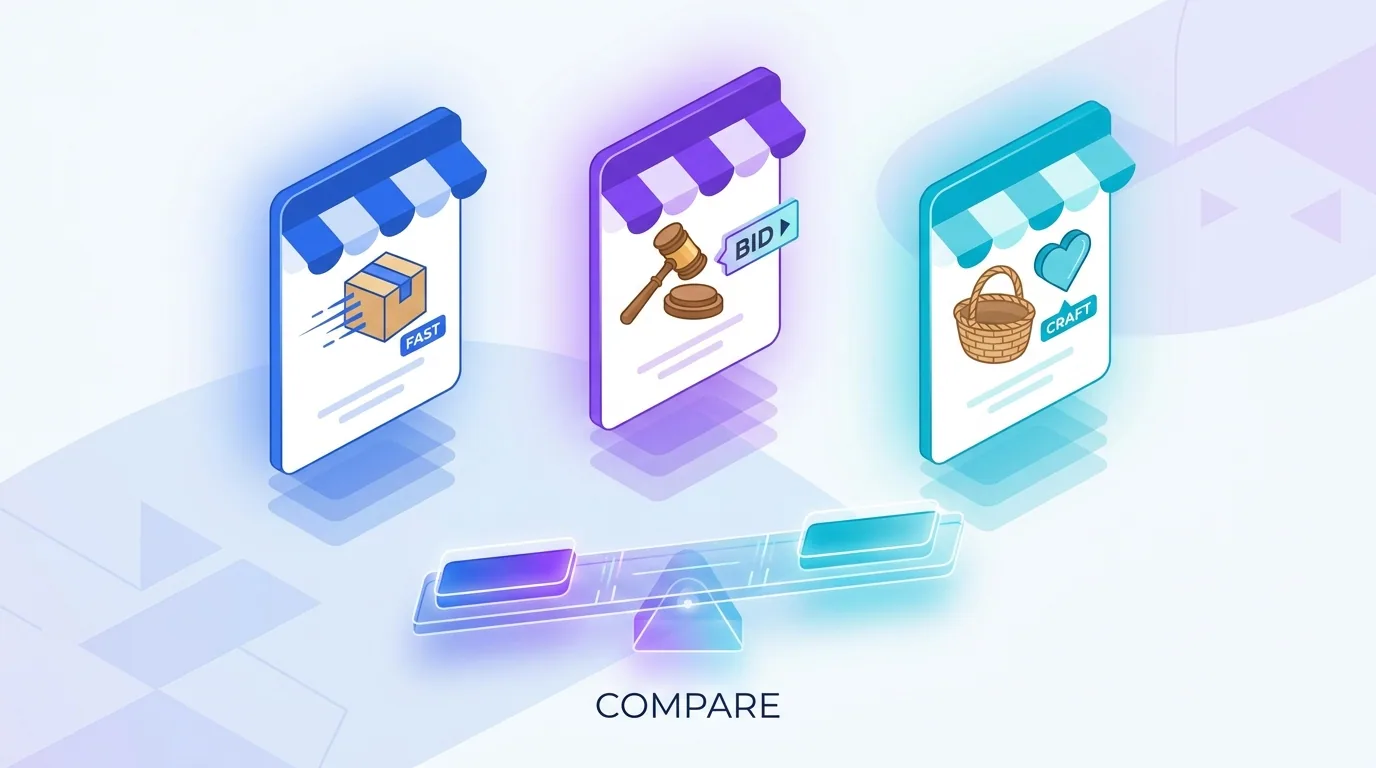


Ecommerce conversion rate optimization (CRO) is the practice of turning more of your existing visitors into buyers — without paying for extra traffic. The fastest wins in 2026 come from three places: a fast, frictionless site, visible trust, and a checkout that gets out of the shopper's way. Fix those and you increase conversions and revenue from the audience you already have.
CRO is the highest-leverage work in ecommerce because it compounds with everything else. A jump from a 1.5% to a 2.5% conversion rate is a 67% revenue increase on the same ad spend and the same traffic. This guide is the ecommerce CRO playbook our ecommerce management and web development teams run on live stores.
Think of it this way: acquiring more traffic gets more expensive every year as ad auctions heat up, but a higher conversion rate makes every existing visitor — and every future one — worth more. That is why the brands quietly winning in 2026 obsess over the funnel they already have before they pour another dollar into acquisition. CRO does not just add revenue; it lowers the cost of all your marketing at once.
What is a good ecommerce conversion rate in 2026?
Most ecommerce stores convert somewhere between 1.5% and 3.5%, with strong stores pushing past 4% and standout brands higher still. But the only benchmark that truly matters is your own trend line — beating last month, segment by segment. Mobile, desktop, new, and returning visitors all convert differently, so optimise them separately.
Before optimising anything, instrument your funnel. Know your conversion rate by device and traffic source, your add-to-cart rate, and where exactly shoppers drop off. CRO without measurement is guessing — and guessing is expensive.
Pair the numbers with qualitative insight. Session recordings, heatmaps, and a handful of on-site surveys reveal the *why* behind the drop-offs your analytics only count. When you can watch a shopper hesitate at the shipping line or rage-click a broken filter, your next test stops being a guess and starts being an obvious fix. The best CRO programmes blend hard data with watching real people use the site.
How does site speed affect conversion rate?
Speed is the silent conversion killer. Every extra second of load time costs you sales, because impatient shoppers leave before the page even renders. In 2026, Google's Core Web Vitals set a clear bar — a Largest Contentful Paint around 2.0 seconds and an Interaction to Next Paint under 200ms — and hitting it helps both rankings and revenue.
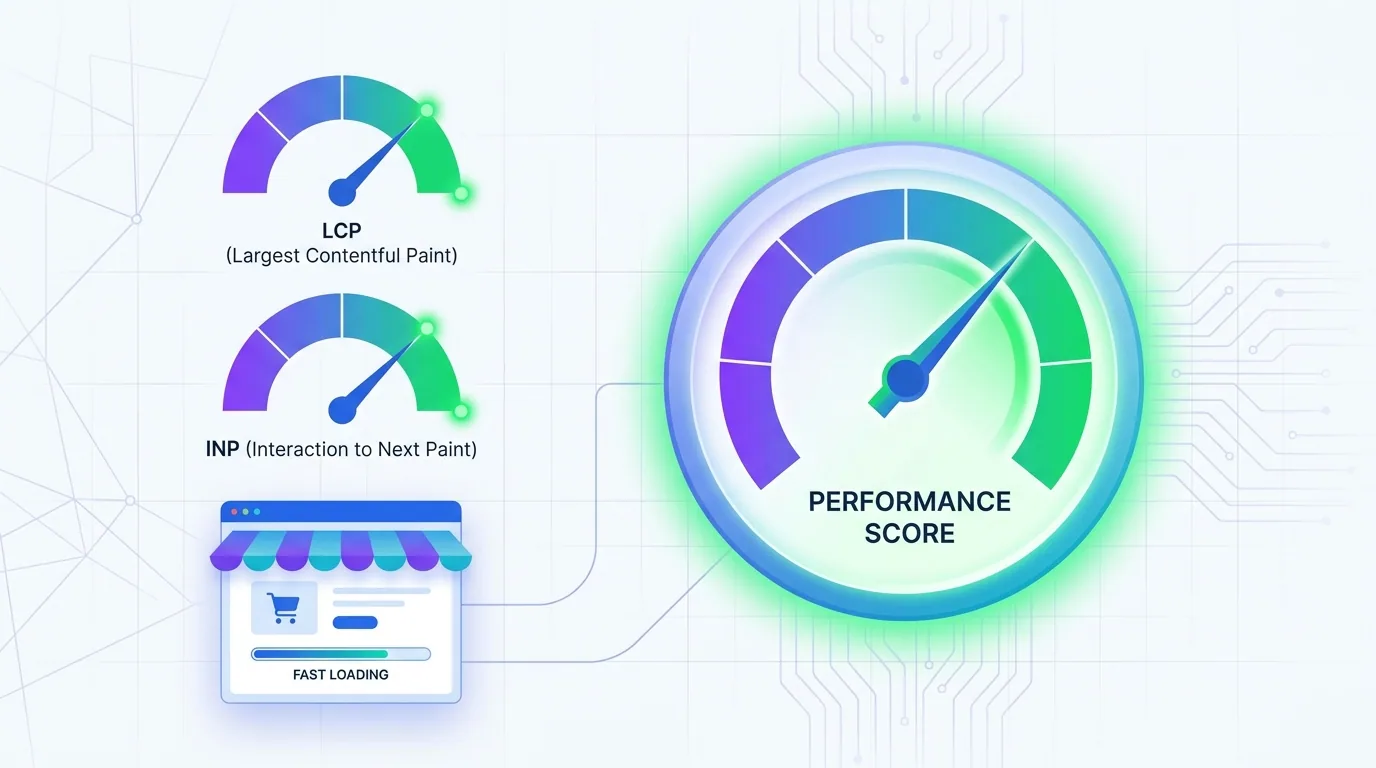
Compress and serve images in modern formats, defer non-critical scripts, and keep the mobile experience lean. Most shoppers are on phones, so a fast, thumb-friendly mobile site is not optional — it is where most of your conversion gains live. A well-built store is the foundation of every other CRO tactic.
Mobile deserves its own attention beyond raw speed. Thumb-sized tap targets, sticky add-to-cart buttons, readable type without pinch-zooming, and forms that trigger the right keyboard all remove friction that desktop-first stores never notice. Audit your funnel on an actual phone, not just a shrunken browser window — the gap between the two is where a surprising amount of mobile revenue quietly leaks away.
How do I optimize the checkout to increase conversions?
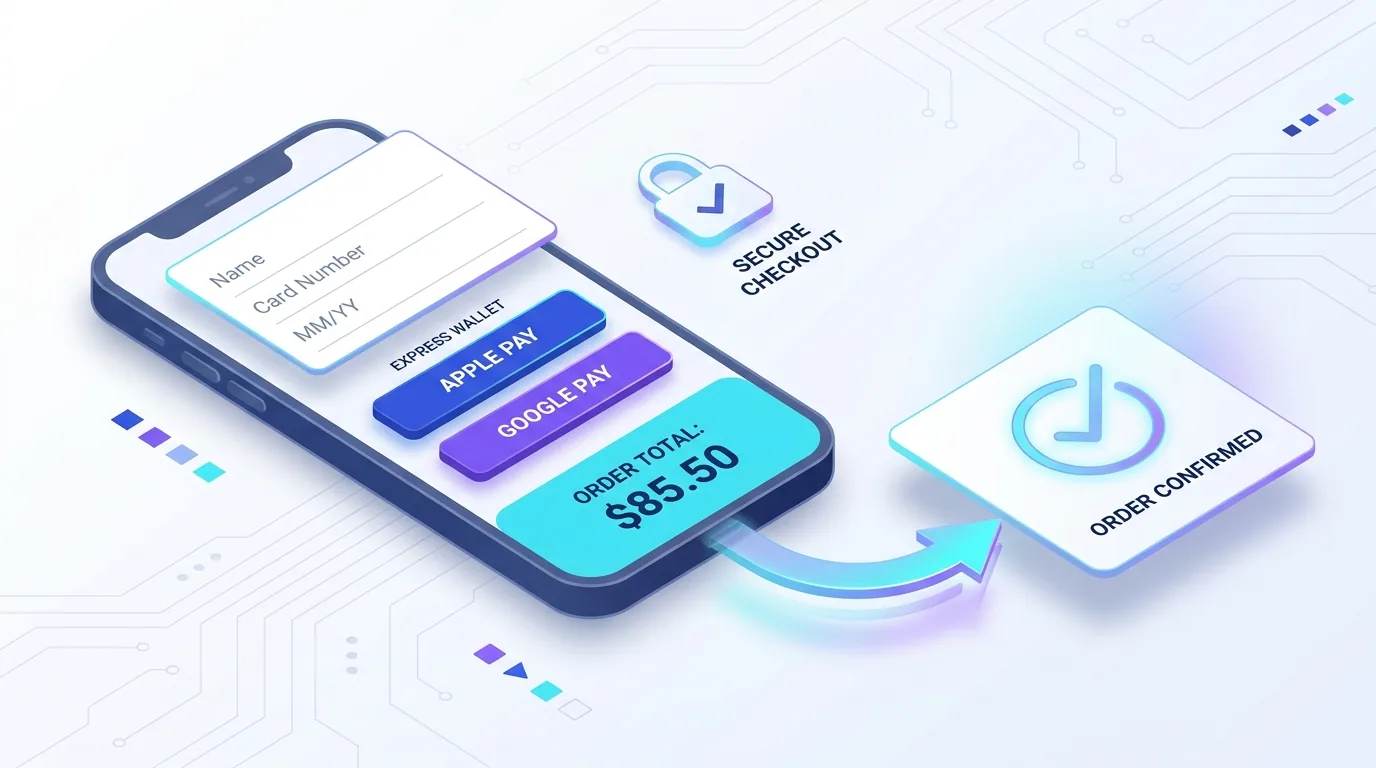
Checkout is where intent turns into revenue — or evaporates. With cart abandonment averaging around 70%, a smoother checkout is often the single biggest conversion lever you have. Every field, redirect, and surprise is a chance for the shopper to reconsider, so the goal is the fewest possible steps to a confident purchase.
- Offer guest checkout: never force account creation before purchase.
- Show total cost early: surprise shipping fees are the top abandonment cause.
- Minimise fields: ask only for what you truly need, with autofill enabled.
- Add express payment: one-tap wallets remove friction on mobile.
- Reassure at the moment of payment: security badges, easy returns, and support.
How does trust influence ecommerce conversion?
Shoppers buy from stores they believe. Visible trust signals — genuine reviews, clear returns and shipping policies, secure-payment cues, and real contact details — lower the perceived risk of buying. The more a first-time visitor trusts you, the smaller the leap to checkout.
Social proof does the heaviest lifting. Star ratings, photo reviews, recent-purchase notices, and user-generated content reassure shoppers that real people bought and were happy. Place this proof exactly where doubt peaks: on the product page and at checkout.
Clarity is its own form of trust. Shoppers hesitate when they cannot find shipping costs, delivery times, sizing, or your return policy, so surface those answers before they have to hunt. A visible, generous return policy in particular acts as a conversion accelerant: it reframes the purchase as low-risk, which is exactly what a nervous first-time buyer needs to hear before they commit.
Conversion is just trust minus friction. Add reasons to believe, remove reasons to hesitate, and the rate takes care of itself.
— Sofia Marino, Ecommerce & Marketplace Lead, Fryntavo
What should I A/B test first?
Test the highest-traffic, highest-impact elements first, and change one thing at a time so you know what moved the needle. Product pages and checkout usually offer the biggest returns, followed by your hero section and primary calls to action. Let real data — not opinions — decide the winner.
- Product page: hero image, benefit-led headline, price framing, and add-to-cart button.
- Checkout: guest vs forced account, number of steps, and payment options.
- Trust placement: where reviews, guarantees, and badges appear.
- Offers: free-shipping thresholds, bundles, and urgency cues.

How do I build a repeatable CRO process?
Lasting gains come from a loop, not a one-off audit. Research where shoppers struggle, form a hypothesis, prioritise by impact and effort, test, then measure and roll out the winners. Run this cycle continuously and small wins stack into a step-change in revenue over a year.
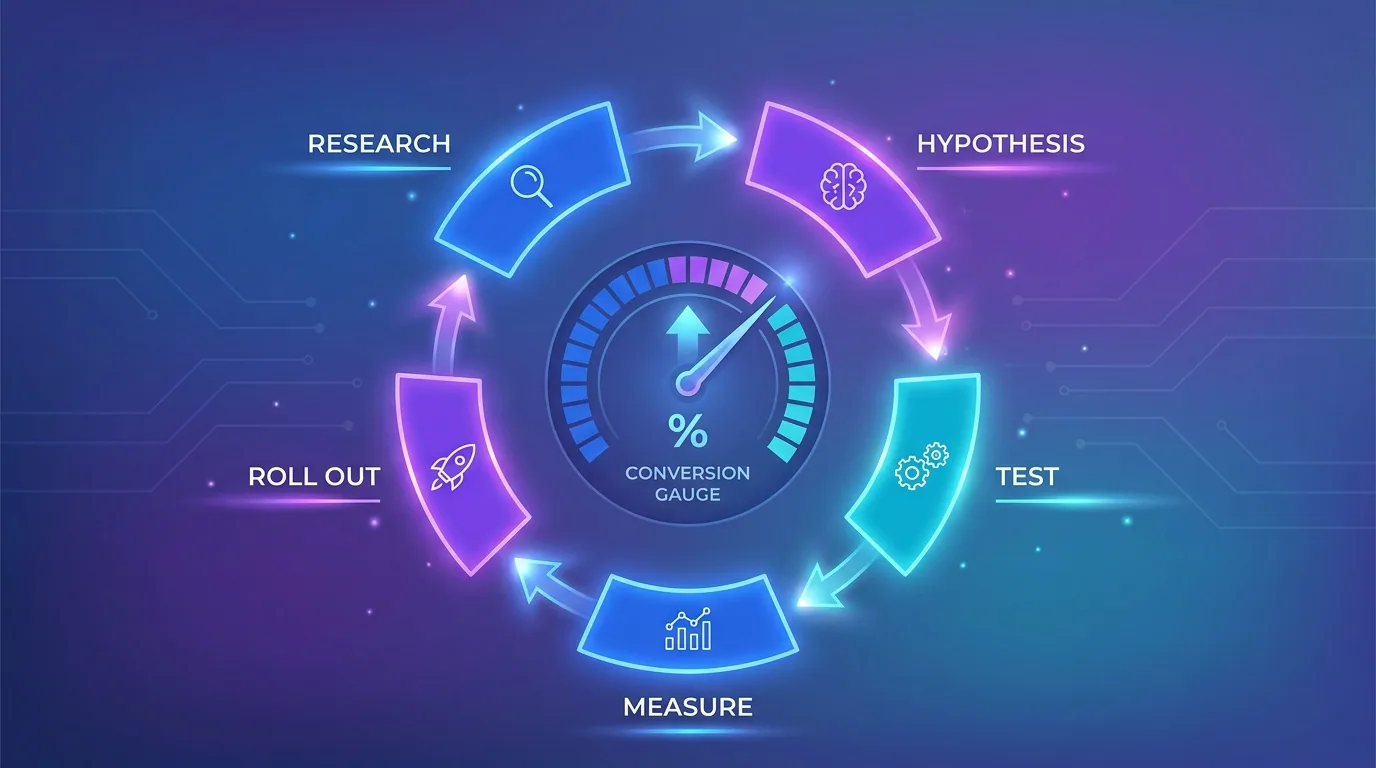
Resist the urge to redesign everything at once. Sweeping overhauls make it impossible to know what actually worked, and they often bundle a few good changes with several bad ones. Disciplined, incremental testing is slower but far more reliable — it builds a library of proven wins and a real understanding of your customers that a big-bang redesign never gives you.
CRO touches design, copy, speed, and engineering at once, which is why it is most effective when those disciplines work together. Our ecommerce management and web development teams run this loop end to end so your conversion rate keeps climbing.
Want to turn the traffic you already pay for into more sales? Let our team run a conversion audit and build a CRO roadmap for your store.
Get a Conversion AuditFrequently asked questions
What is ecommerce conversion rate optimization?
Ecommerce conversion rate optimization (CRO) is the practice of increasing the percentage of website visitors who complete a purchase, without buying more traffic. It works by removing friction and adding trust across the site, especially on product pages and checkout, so more of your existing visitors buy.
What is a good ecommerce conversion rate in 2026?
Most ecommerce stores convert between 1.5% and 3.5%, with strong stores above 4%. The most useful benchmark is your own trend, measured separately by device and traffic source, because mobile, desktop, new, and returning visitors all convert at different rates.
How can I increase my ecommerce conversion rate quickly?
Start with the fastest, highest-impact levers: improve site speed, streamline checkout with guest checkout and express payment, show total cost early, and add visible trust signals like reviews and clear returns. Setting up abandoned-cart recovery emails is one of the cheapest quick wins.
How does site speed affect conversion rate?
Slow pages lose sales because impatient shoppers leave before the page renders. In 2026, hitting Core Web Vitals such as a Largest Contentful Paint near 2.0 seconds and an Interaction to Next Paint under 200ms improves both search rankings and conversion, especially on mobile.
How do I reduce cart abandonment?
Cart abandonment averages around 70%, so shorten and clarify the checkout: offer guest checkout, show shipping and total costs early, minimise form fields, and add express wallet payments. Then recover lost carts with reminder emails and an easy return-to-cart link.
What should I A/B test first on my store?
Test the highest-traffic, highest-impact elements first, typically the product page and checkout. Change one element at a time, such as the hero image, headline, add-to-cart button, or checkout steps, and let conversion data decide the winner.
Does trust really affect conversion rate?
Yes. Trust signals like genuine reviews, clear policies, secure-payment cues, and visible contact details lower the perceived risk of buying. Social proof such as star ratings and photo reviews is especially effective when placed on product pages and at checkout where doubt peaks.
Can Fryntavo improve my store's conversion rate?
Yes. Fryntavo's ecommerce management and web development teams run a continuous CRO loop covering speed, trust, checkout, and testing to lift your conversion rate over time. Book a free conversion audit to find your biggest leaks.
Ready to put this into action?
Fryntavo helps brands grow with web development, SEO, marketplace management, and AI automation. Book a free, no-obligation strategy call.
Book a Free Strategy Call