
AI influencers — computer-generated personas that create content and engage audiences like human creators — are a real marketing channel in 2026, not a novelty. Used well, they offer total creative control, 24/7 output, and consistent brand storytelling at a fraction of traditional production cost. Used carelessly, they invite backlash, regulatory trouble, and broken trust. The difference is entirely about disclosure and brand safety.
This guide is written for marketers who want the upside without the risk. We will cover what AI influencers actually are, where they shine, the non-negotiable rules around transparency, and how to deploy synthetic creators in a way that protects your brand. It reflects how our AI influencing team approaches every campaign: creative ambition, ethical guardrails.
What are AI influencers and virtual influencers?
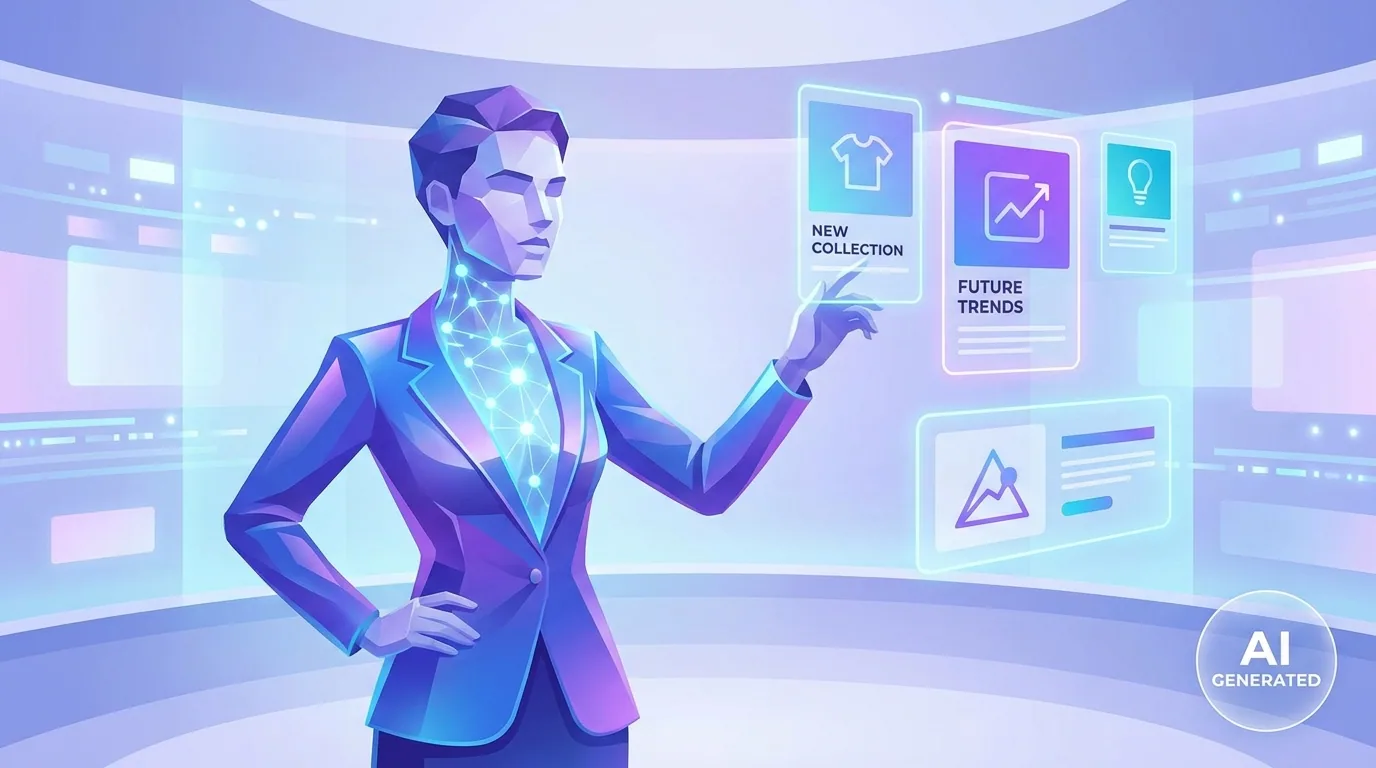
AI influencers, also called virtual influencers or synthetic creators, are fictional digital characters built and operated with AI and design tools. They have a name, a look, a personality, and a content stream — but no physical existence. Some are fully fictional brand mascots; others are realistic CGI personas designed to feel like a real creator.
Unlike a human influencer, a virtual influencer never goes off-message, ages, or has a scheduling conflict. The brand controls every post, every collaboration, and every value the persona expresses. That control is the core appeal — and, as we will see, also the source of the responsibility that comes with it.
It helps to be precise about the spectrum here. At one end sit obviously stylised mascots and animated characters that nobody could mistake for a real person. At the other end sit photorealistic CGI personas engineered to look like genuine human creators, complete with believable selfies and lifestyle posts. The more realistic the persona, the more carefully you must handle disclosure, because the gap between what the audience perceives and what is actually true grows wider — and that gap is exactly where trust gets broken.
Why brands are using AI influencers in 2026
The business case is strong when the strategy is sound. Virtual influencers remove the unpredictability and cost of human talent while enabling output and consistency that humans cannot match. For brands that need always-on content and tight creative governance, they are a genuinely powerful tool.
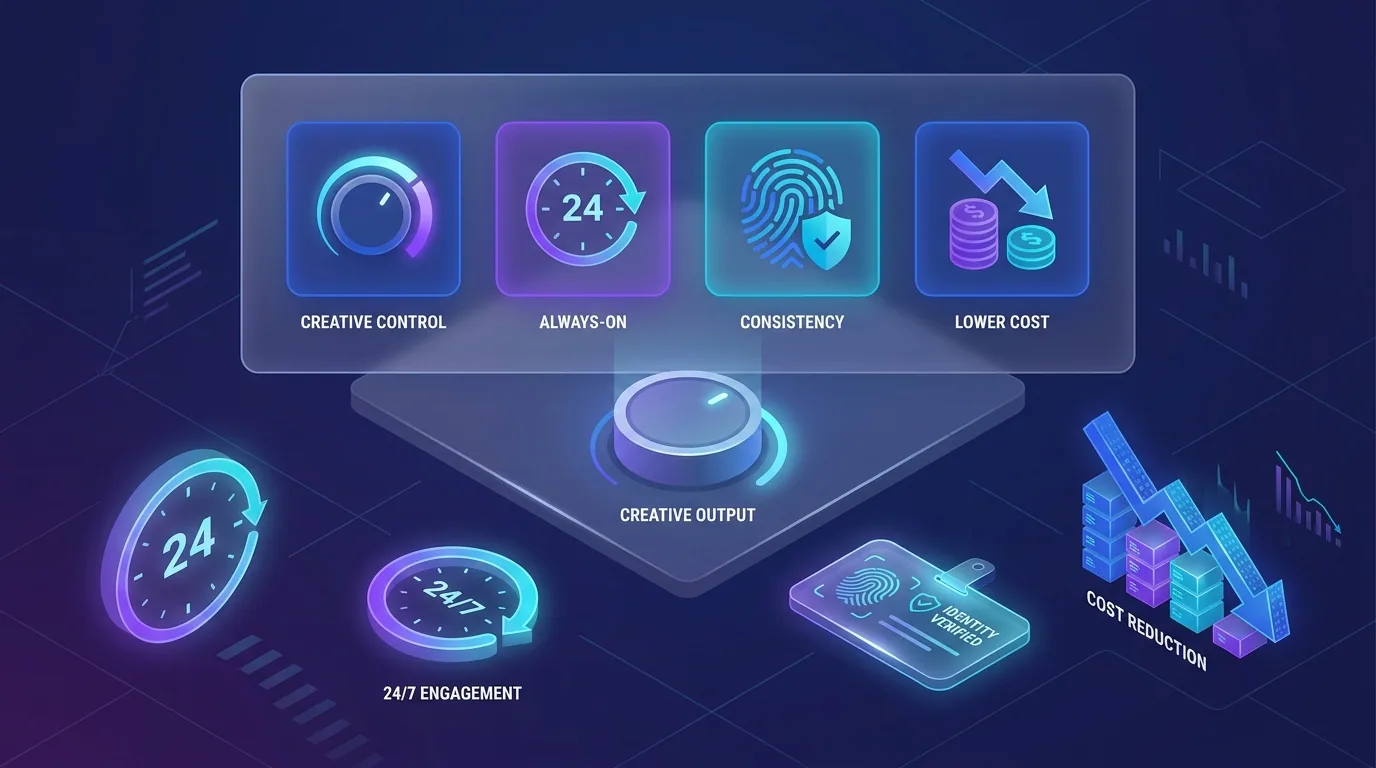
- Total creative control — the persona only ever says and does what the brand approves.
- Always-on output — content can be produced continuously across time zones and languages.
- Brand consistency — look, tone, and values stay perfectly on-brand in every post.
- Cost efficiency — no travel, reshoots, or talent fees once the persona is built.
- Scalable storytelling — one persona can anchor a long-running narrative across campaigns.
The non-negotiable: disclosure and transparency
Here is the rule that overrides everything else: always disclose that an influencer is AI-generated. In 2026, audiences and regulators expect clear labelling of synthetic creators, and hiding it is the fastest way to destroy trust and attract legal scrutiny. Deception is not a clever marketing tactic — it is a liability waiting to detonate.
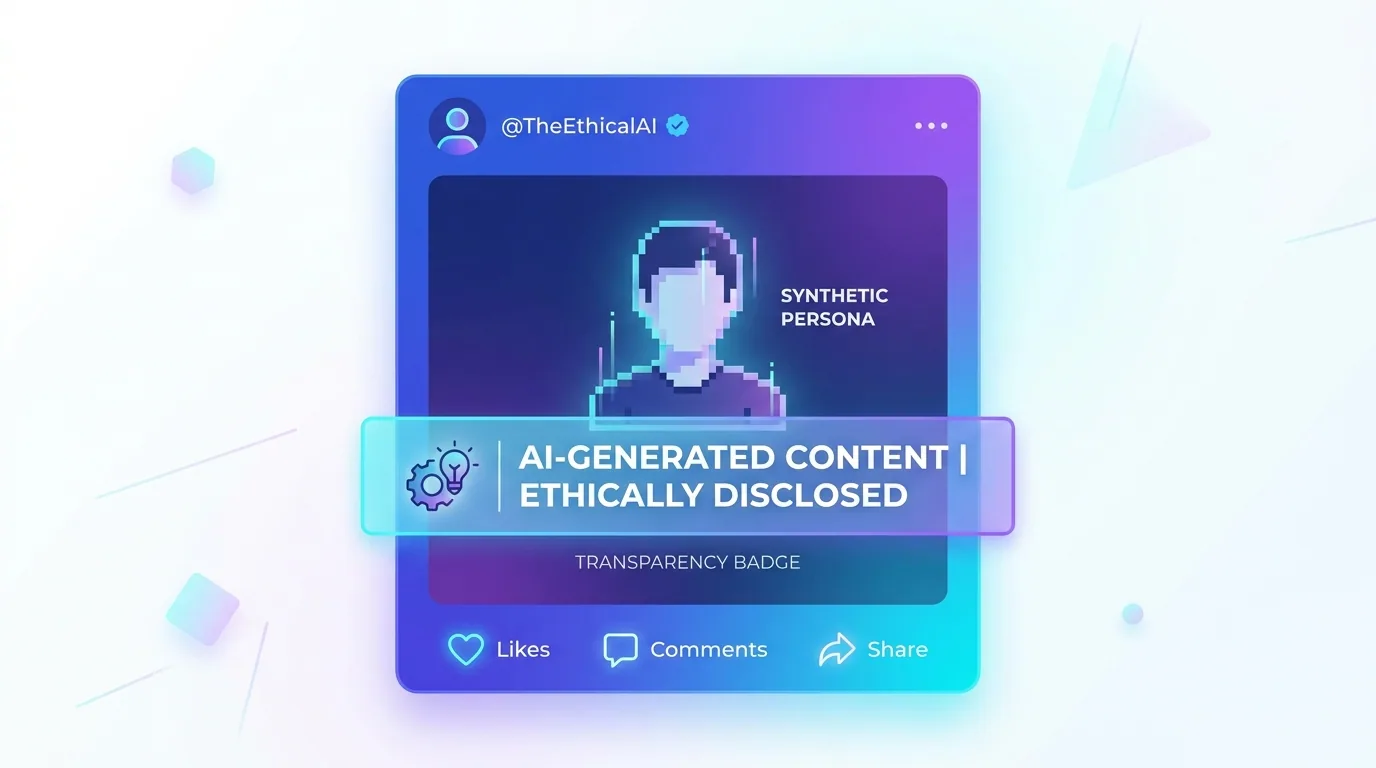
Good disclosure is clear, visible, and consistent — a labelled bio, a recurring badge or hashtag, and honest answers if anyone asks. Treat transparency as a feature of the persona, not an apology for it. Audiences respond well to a virtual creator that is open about being virtual; they revolt when they feel tricked.
The brands that win with AI influencers are not the ones that hide the technology — they are the ones honest enough to make it part of the story.
— Lena Vasquez, Creative Director, Fryntavo
How do you keep an AI influencer brand-safe?
Brand safety with AI influencers goes beyond disclosure. Because the persona has no human conscience or instincts, every safeguard must be designed in deliberately. The goal is a creator that is impossible to embarrass your brand with, by construction.
- Disclose clearly and consistently on every post, profile, and campaign — never bury it.
- Define hard content boundaries — written guidelines for topics, tone, claims, and endorsements the persona will never cross.
- Keep a human in the loop — approve content before it publishes; never fully automate posting on sensitive topics.
- Avoid deceptive realism — do not impersonate real people or imply lived experiences the persona cannot have.
- Audit for bias and stereotypes — review the persona's design and output so it represents people respectfully.
- Plan a crisis response — know in advance how you will pause, correct, and communicate if something goes wrong.
These guardrails are not bureaucracy — they are what let you move fast with confidence. A persona built on clear rules and human oversight can publish at scale precisely because the risky decisions were made up front. This is the same governance-first mindset we apply across our graphic design and brand work.
Designing an AI influencer that fits your brand
A virtual influencer is, at heart, a brand asset — so design it like one. Start from your brand strategy: who is the audience, what is the persona's role in the narrative, and what values must it embody? A well-designed AI influencer feels like a natural extension of your identity, not a gimmick bolted on for attention.
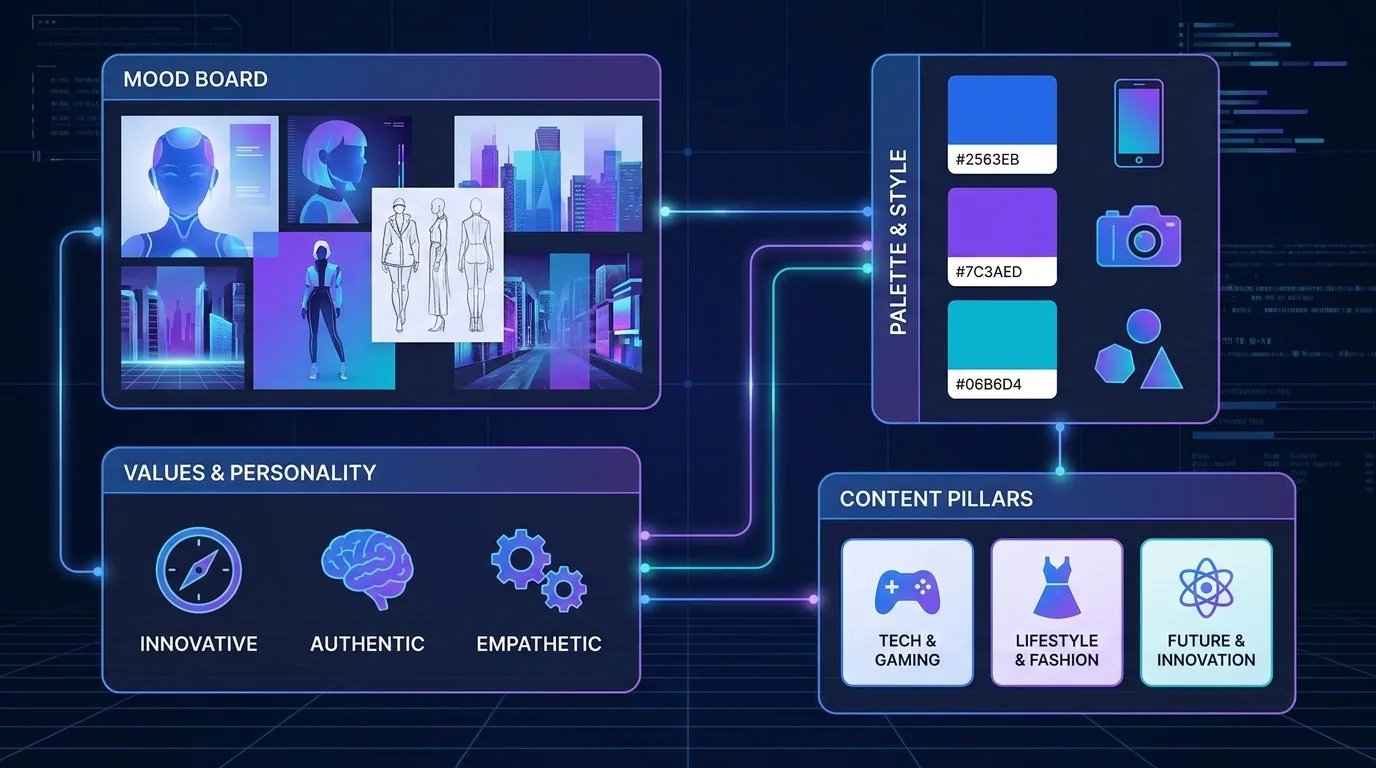
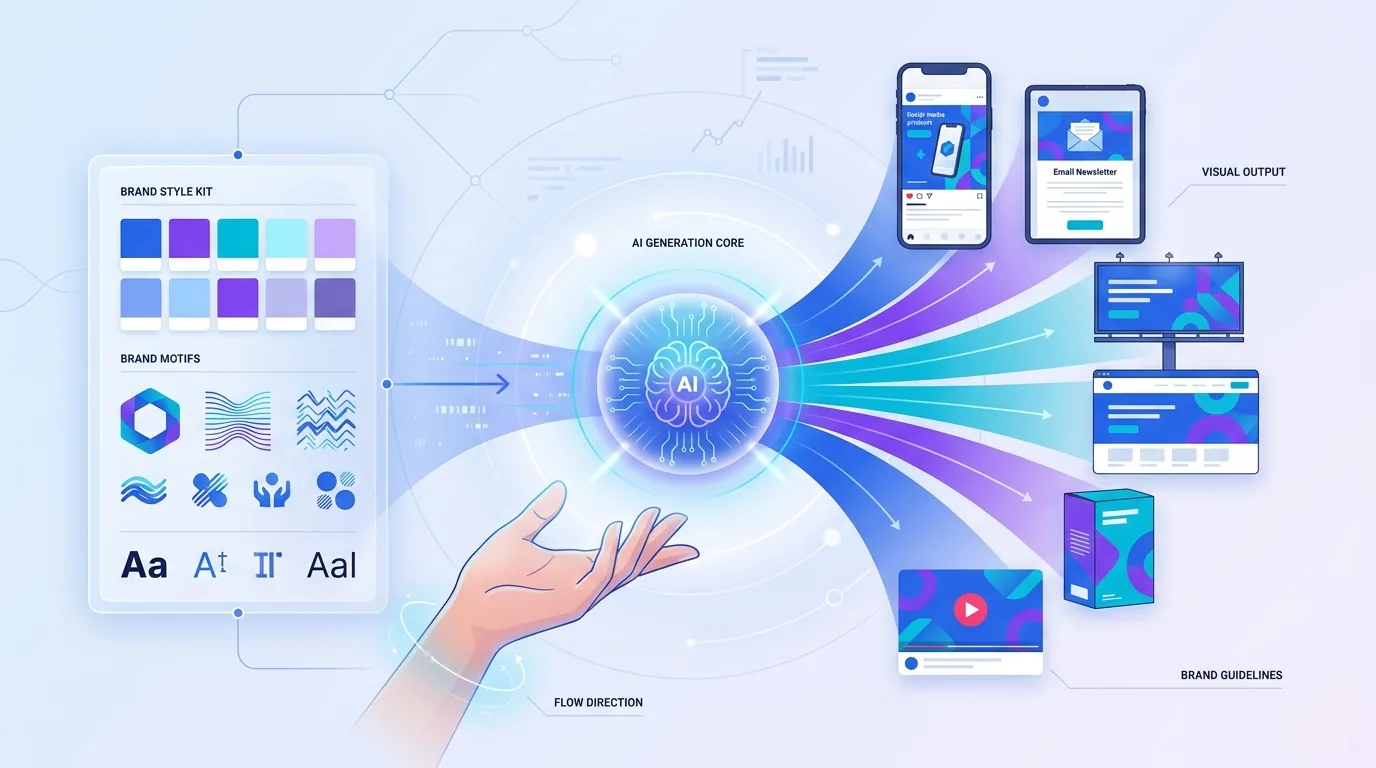
Consistency is what makes a persona believable and lovable. Lock down the visual style, the voice, the backstory, and the content pillars in a guide — much like a brand style guide for a human creator — so every post reinforces the same character. Inconsistency reads as fake; coherence reads as a personality.
When NOT to use an AI influencer
AI influencers are not right for every brand or message. Where authentic lived experience is central — health journeys, social causes, deeply personal testimonials — a synthetic creator can feel hollow or even offensive. In those moments, real human voices are not just preferable; they are the only honest option.
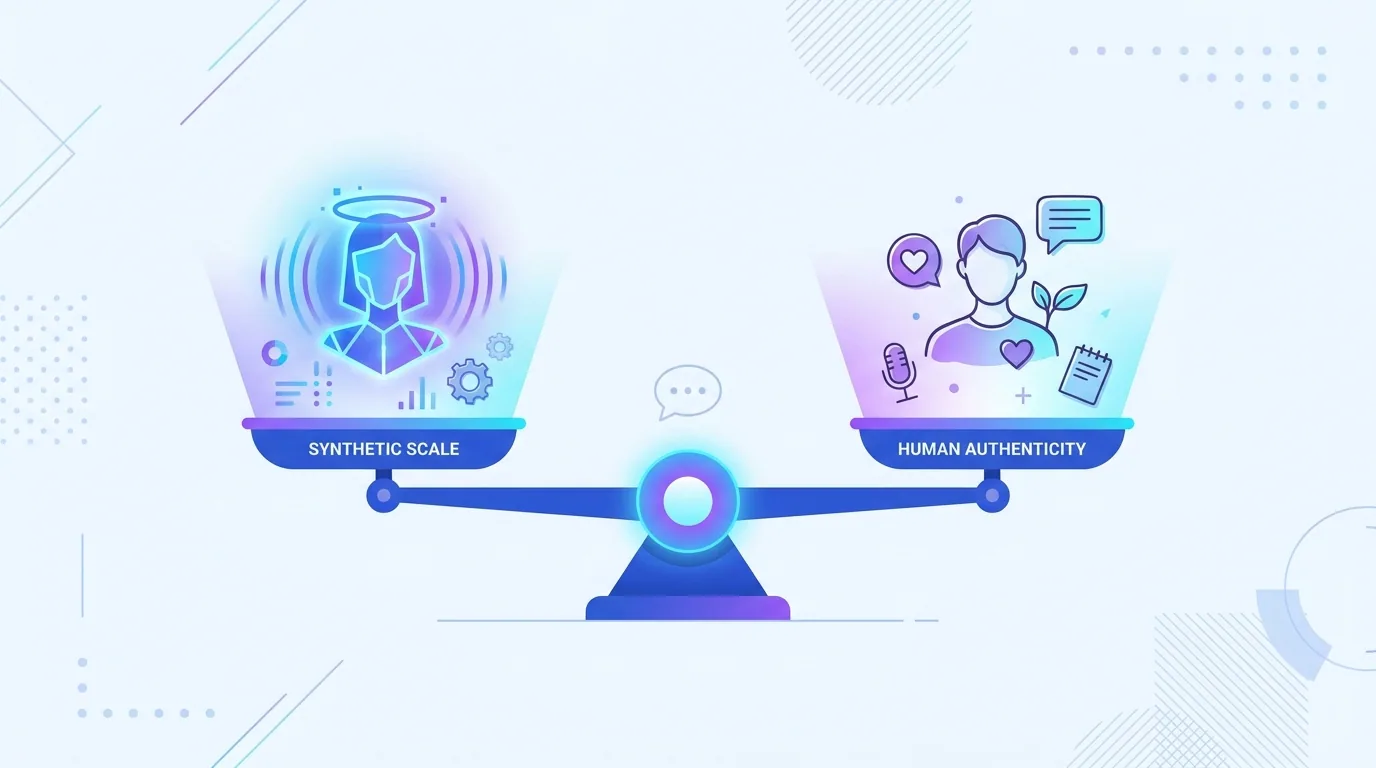
The smartest brands in 2026 use a blended approach: AI influencers for scalable, controlled storytelling and human creators where authenticity is the entire point. Knowing the difference is a strategic skill, not a limitation.
AI influencers are a genuinely powerful addition to the marketing toolkit — but power without transparency is a trap. Disclose clearly, design with intention, keep humans in the loop, and reserve them for the messages they fit. Do that, and synthetic creators become a brand-safe engine for creativity and reach rather than a reputational gamble.
Thinking about an AI influencer for your brand? We design brand-safe virtual personas with disclosure and governance built in from day one.
Talk to Our Creative TeamFrequently asked questions
What is an AI influencer?
An AI influencer, also called a virtual influencer or synthetic creator, is a fictional digital persona built and operated with AI and design tools to create content and engage audiences. It has a name, look, and personality but no physical existence, and the brand controls everything it says and does.
Do I have to disclose that an influencer is AI-generated?
Yes. In 2026, audiences and regulators expect clear, visible labelling of AI-generated creators, and hiding it destroys trust and invites legal scrutiny. Disclosure should be consistent across every post, profile, and campaign rather than buried in fine print.
Are AI influencers brand-safe?
They can be very brand-safe because the brand controls every message, but only with deliberate safeguards. That means clear disclosure, hard content boundaries, human approval before publishing, bias audits, and a crisis plan, since the persona has no human instincts of its own.
What are the benefits of using a virtual influencer?
Virtual influencers offer total creative control, always-on output across time zones and languages, perfect brand consistency, and lower production cost once built. A single persona can also anchor a long-running narrative across multiple campaigns.
When should I not use an AI influencer?
Avoid them where authentic lived experience is central, such as health journeys, social causes, or deeply personal testimonials, because a synthetic creator can feel hollow or dishonest. In those cases, real human voices are the only credible choice.
How do I design an AI influencer for my brand?
Treat it as a core brand asset: start from your brand strategy and audience, define the persona's role, values, voice, backstory, and content pillars, then lock them into a guide. Consistency across visuals and tone is what makes the persona believable rather than gimmicky.
Can AI influencers replace human creators?
Not entirely. The smartest brands blend the two, using AI influencers for scalable, controlled storytelling and human creators where authenticity is the whole point. Matching the creator to the message is a strategic decision, not a limitation.
Can Fryntavo build a brand-safe AI influencer for us?
Yes. Fryntavo designs virtual influencer personas with disclosure, content boundaries, and human oversight built in from the start, so your brand gets the creative upside without the reputational risk. Talk to our creative team to get started.
Ready to put this into action?
Fryntavo helps brands grow with web development, SEO, marketplace management, and AI automation. Book a free, no-obligation strategy call.
Book a Free Strategy Call