
In 2026, ad creative design is the single biggest lever you control — because Meta and Google now automate most of the targeting, the creative itself decides whether you win. Ads that convert lead with a fast hook, communicate one clear benefit, look native to the feed, build instant trust with proof, and drive a single unmistakable call to action.
This guide lays out the paid ad design system our creative team uses to build high-converting ads across platforms. It is less about clever visuals and more about clarity, psychology, and disciplined testing — the things that actually move conversion rate.
Why is ad creative design the most important lever in 2026?
Platforms have automated audience targeting and bidding to the point where two advertisers with similar budgets reach similar people. What separates them is the creative. The ad that hooks faster, communicates value clearer, and earns more trust wins the auction and the conversion.
That is a gift to design-led brands. When targeting is commoditized, taste, clarity, and message discipline become your durable advantage. The best creative does not just get cheaper clicks — it attracts better customers.
It also changes who you should staff and budget for. The teams winning in 2026 spend less time fiddling with audience segments and more time producing a steady stream of strong creative concepts. Creative is no longer the thing you make after the media plan — it is the media plan's most important input.
How do you design an ad hook that stops the scroll?
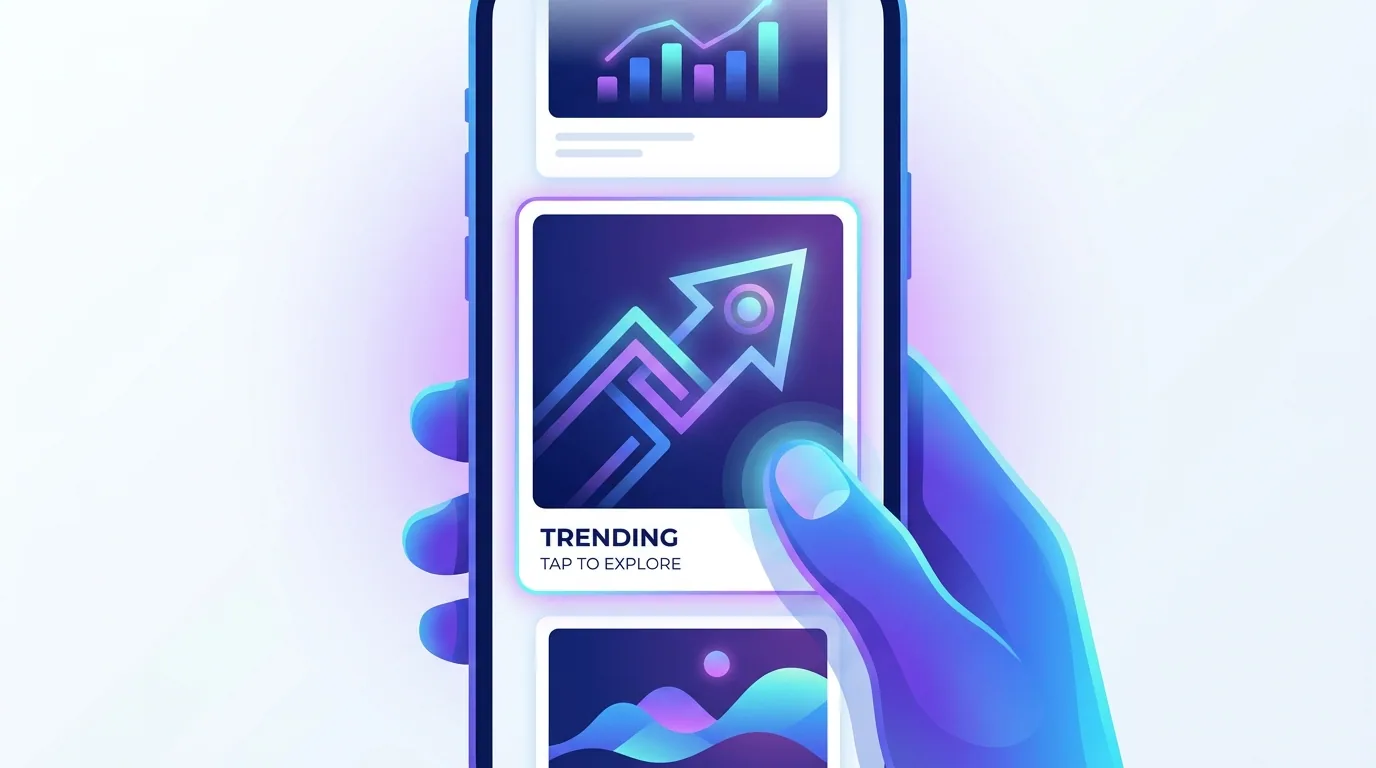
The hook is the first second and the first frame, and it does most of the heavy lifting. A converting hook leads with the customer's problem or desired outcome, uses a strong visual focal point, and creates enough curiosity or relevance that scrolling feels like a loss. If the hook fails, nothing downstream matters.
- Lead with the outcome: show the after-state or the benefit, not a slow brand intro.
- Make it relevant fast: speak to one specific audience and their one specific pain.
- Use a strong focal point: a single hero element reads instantly on a small screen.
- Earn the curiosity: open a loop the rest of the ad genuinely pays off.
What does a high-converting ad layout look like?
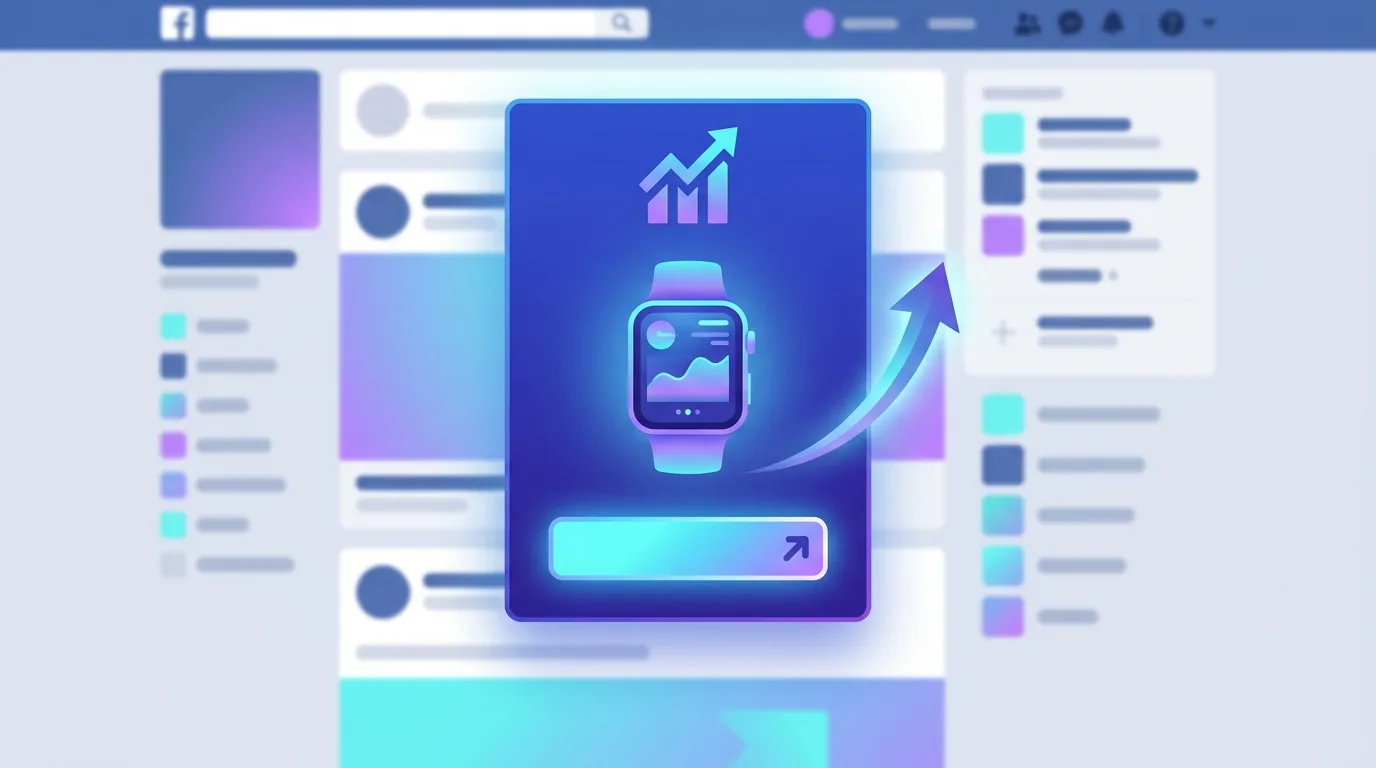
A converting ad has a clear visual hierarchy that guides the eye in order: hook, benefit, proof, action. Each element earns its place. Clutter kills conversion because every extra element steals attention from the one thing you want the viewer to do.
Design for the actual viewing context: muted, vertical, mobile, and skeptical. That means readable captions, benefits visible without sound, and a layout that respects platform safe zones so nothing critical hides behind interface buttons.
Hierarchy is also where most underperforming ads quietly fail. When everything is bold, nothing is — the eye bounces around with no path to follow and the viewer leaves before the message lands. Give one element clear dominance, let the rest support it, and the ad reads in the split second you actually get.
How does social proof improve ad conversion?
Trust is the conversion bottleneck. People scroll past ads reflexively because they assume the claim is inflated. Visible proof — ratings, reviews, real results, recognizable trust signals — short-circuits that skepticism and gives permission to act.

Weave proof into the creative naturally rather than bolting it on at the end. A rating beside the product, a real result in the hook, or an authentic-looking testimonial frame in a video all build trust while the viewer is still deciding whether to keep watching.
Keep your proof honest and specific. Vague superlatives read as marketing noise, while a concrete number, a named outcome, or a genuine customer voice feels true. Specificity is itself a trust signal — it suggests you have nothing to hide and real results to show.
Why do you need multiple ad creative variants?
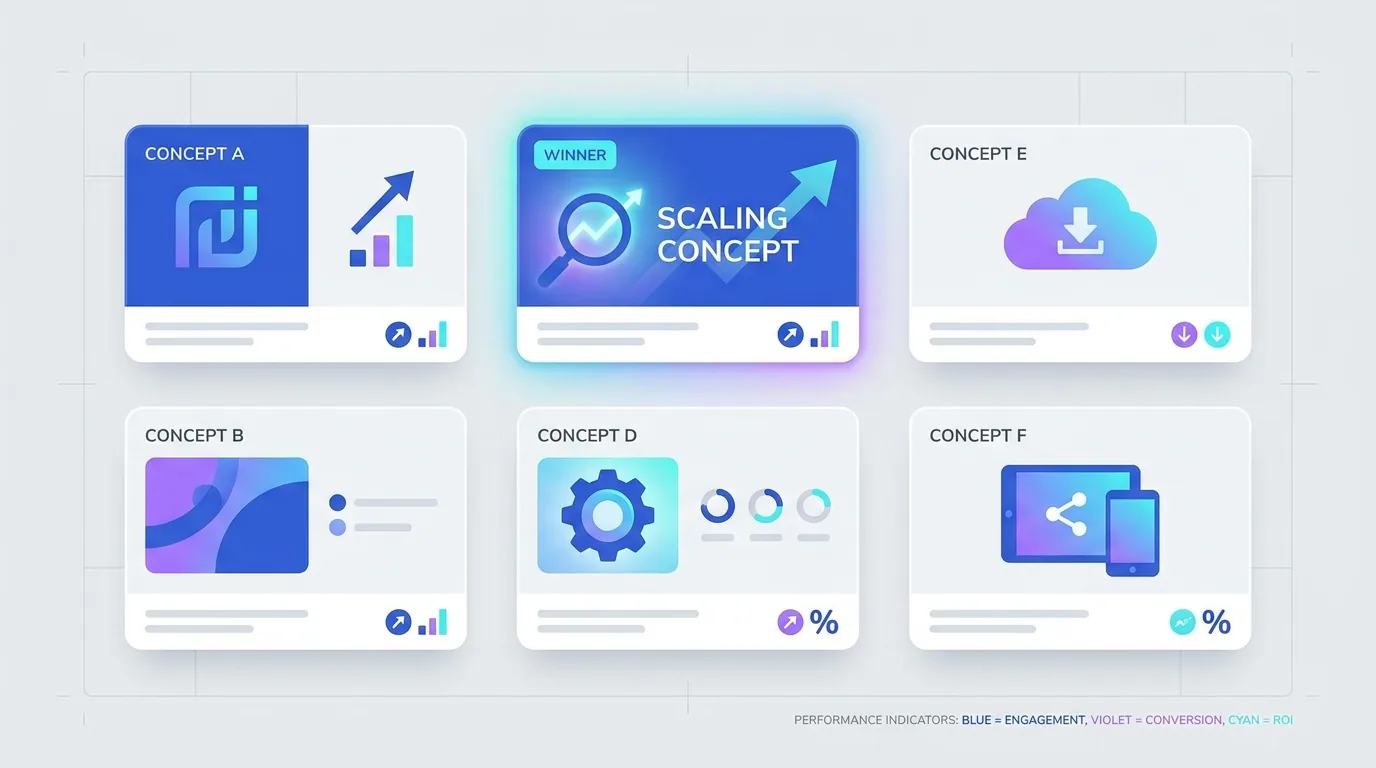
No one reliably predicts the winning ad — not even after twenty years of doing this. The brands with the best paid ad design treat creative as a portfolio: they launch several distinct concepts, let real performance decide, and double down on winners while retiring fatigued losers.
- Build several genuinely different concepts, not minor color swaps of one idea.
- Vary the hook, the format, and the angle so you test ideas, not just pixels.
- Let performance — not internal opinion — pick which creative scales.
- Iterate on winners with fresh variations to extend their lifespan.
- Refresh continuously, because even great ads fatigue as frequency climbs.
Should Meta and Google ad creative be designed differently?
Yes. Meta is an interruption environment — people are browsing, so creative must stop the scroll and create demand with a strong hook and native feel. Google Search and Shopping ads meet existing intent, so clarity, relevance to the query, and a clean product presentation matter more than disruption.
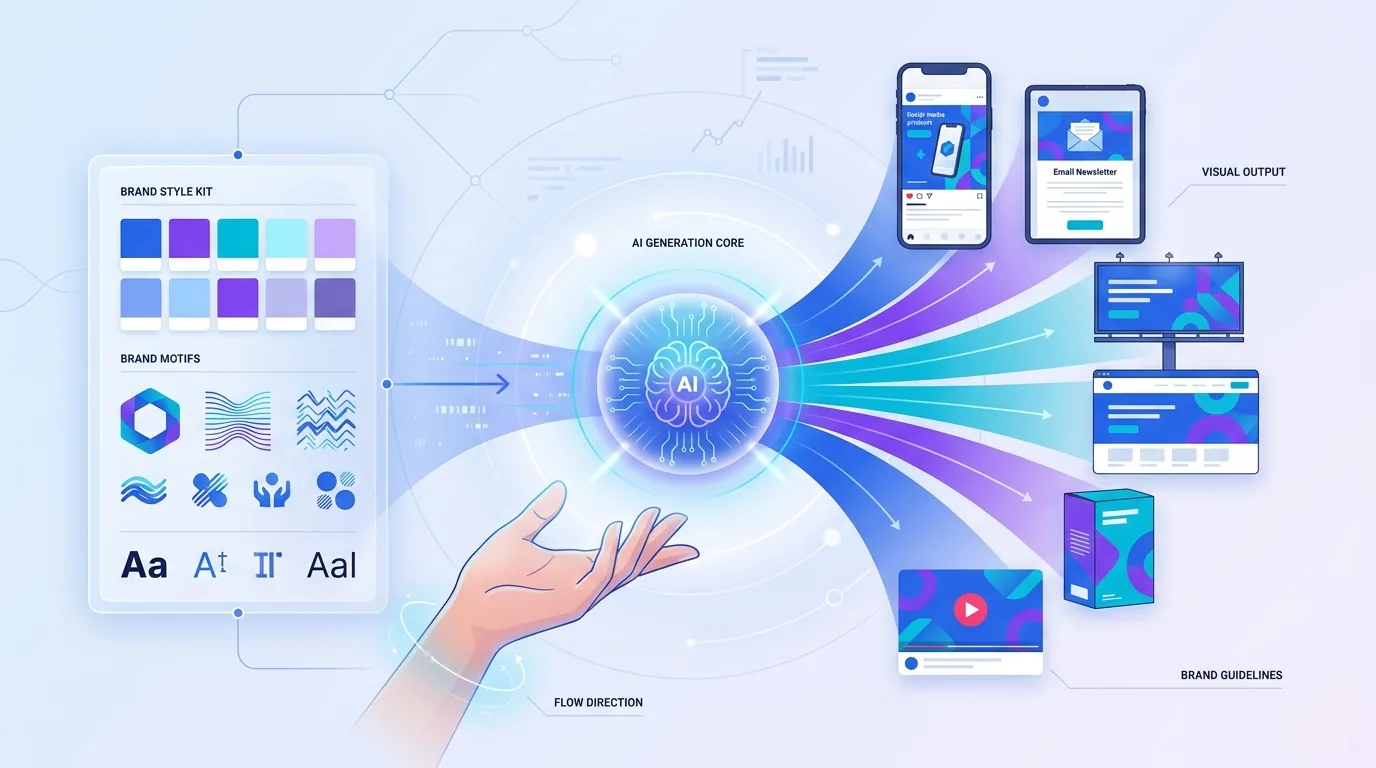
On Performance Max and similar automated formats, you are feeding the system a library of assets and letting it assemble combinations. The discipline shifts to supplying strong, varied, on-brand building blocks. We often pair this with AI-assisted creative production to generate enough quality variants to keep these systems well fed without diluting the brand.
A common mistake is starving these automated systems of fresh inputs. If you upload a handful of assets and walk away, performance plateaus and then decays as the machine exhausts your good combinations. Treat the asset library as something you replenish on a schedule, the same way you would refresh a manually run campaign.
When the algorithm picks the audience, your creative is the strategy. The ad that earns trust fastest wins — every time.
— Lena Vasquez, Creative Director, Fryntavo
How do you know if your ad creative is converting?
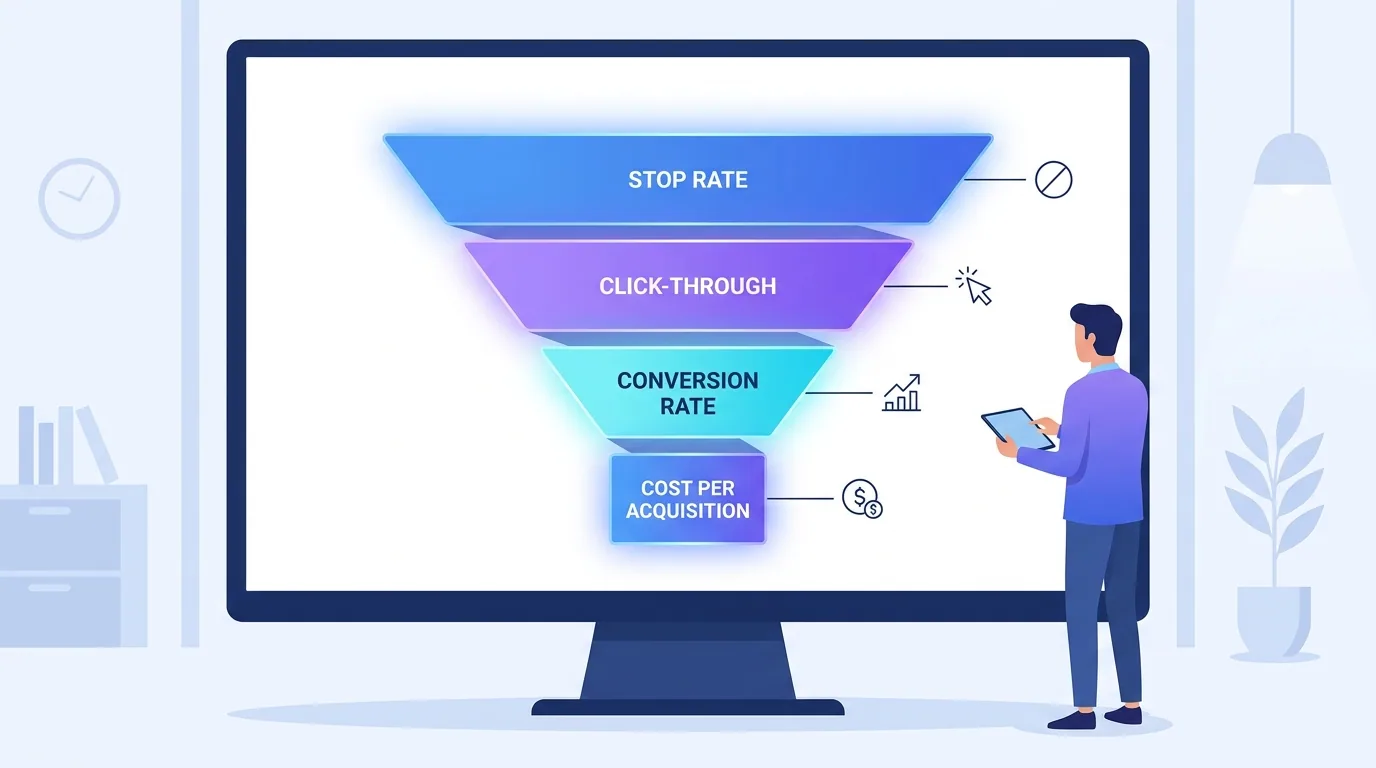
Measure the full funnel, not just the click. Track stop rate and hold rate to judge the hook, click-through to judge relevance, and conversion rate and cost per acquisition to judge whether the creative attracts buyers and not just curiosity. A high click-through with low conversion usually means the hook over-promised what the ad delivered.
Reading those metrics together tells you where to fix the creative, not just whether it worked. A weak stop rate points to a hook problem, a strong stop rate but weak hold points to a mismatch between promise and payoff, and strong engagement with poor conversion usually points to a landing experience that breaks the promise the ad made. Diagnose the stage, then redesign for it.
Put it together and the formula for ads that convert in 2026 is clear: hook fast, say one thing, look native, prove your claim, give one action, and test relentlessly. Master that, and ad creative design becomes the most reliable growth lever you own.
Want ad creative that actually converts on Meta and Google? Our team designs and tests high-performing paid ad creative built around your offer.
Get an Ad Creative AuditFrequently asked questions
What is ad creative design?
Ad creative design is the craft of building the visuals, video, copy, and layout of a paid advertisement so it captures attention and drives conversions. In 2026, with platforms automating targeting, ad creative design is the most important lever advertisers control over performance.
How do you design ads that convert in 2026?
Lead with a fast hook that shows the outcome, communicate one clear benefit, design for sound-off mobile viewing, add visible social proof, and end with a single call to action. Then test multiple distinct concepts and scale the ones that perform.
Why is creative more important than targeting now?
Meta and Google automate most audience targeting and bidding, so two advertisers reach similar people. The creative becomes the main variable that decides who hooks attention, earns trust, and converts, making ad design the durable competitive advantage.
How many calls to action should an ad have?
Exactly one. A converting ad has a single message and a single call to action so the viewer is never split between options. If you want to promote a second offer, build it as a separate ad and test it independently.
Should Meta and Google ad creative be different?
Yes. Meta is an interruption environment, so creative must stop the scroll and create demand with strong native hooks. Google Search and Shopping meet existing intent, so clarity, query relevance, and clean product presentation matter more than disruption.
How often should I refresh my ad creative?
Refresh continuously, because even strong ads fatigue as frequency rises, often within a few weeks at higher spend. Running several concepts at once and iterating on winners keeps performance stable better than relying on one hero ad.
How does social proof improve ad conversion?
Social proof like ratings, reviews, real results, and trust signals reduces the skepticism that makes people scroll past ads. Weaving proof naturally into the creative, rather than tacking it on at the end, builds trust while the viewer is still deciding.
How do I measure whether my ad creative is converting?
Track the full funnel: stop and hold rate for the hook, click-through for relevance, and conversion rate plus cost per acquisition for results. A high click-through but low conversion usually signals a hook that over-promised relative to what the ad delivered.
Ready to put this into action?
Fryntavo helps brands grow with web development, SEO, marketplace management, and AI automation. Book a free, no-obligation strategy call.
Book a Free Strategy Call